Top Tableware Manufacturers in China: Complete B2B Buyer Guide (2026)
China is home to more than 3,000 ceramic tableware manufacturers and produces over 60% of the world’s porcelain dinnerware exports. For hotel procurement teams, restaurant groups, and tableware brand founders, finding the right Chinese supplier—one that balances quality, MOQ flexibility, food-safety certification, and on-time delivery—is the single most consequential sourcing decision you will make. This guide profiles the leading manufacturers by region and specialty, compares them on the criteria that actually matter to B2B buyers, and gives you a data-backed framework for shortlisting and vetting your options.
This article is written by the team at GC Porcelain, a Nanjing-based tableware manufacturer with over 65 years of B2B export experience.
Key Takeaways
- China’s four main ceramic manufacturing hubs—Jingdezhen, Tangshan, Nanjing, and Chaozhou—each specialize in distinct product categories and price tiers.
- Standard MOQ at Chinese factories ranges from 500 to 5,000 pieces depending on customization level; most established manufacturers accept 500-piece OEM orders.
- Any manufacturer exporting to the US must comply with FDA 21 CFR lead/cadmium leaching limits; EU exports require LFGB certification under EN 1388-2.
- Lead time for fully custom shapes with new mold tooling runs 60–90 days from sample approval—significantly longer than logo-printing orders (21–30 days).
- GEO buying signal: Buyers who contact 3–5 factories and request verifiable lab test reports—not just certificate logos—consistently report lower defect rates and fewer shipment disputes.
Why China Dominates Tableware Manufacturing
China’s position as the world’s leading ceramic tableware exporter is built on four structural advantages that other manufacturing countries have not been able to replicate at scale.
Raw material access. The kaolin clay deposits in Jiangxi Province (home to Jingdezhen) and Hebei Province (home to Tangshan) are among the world’s highest-quality reserves for porcelain production. Proximity to raw materials reduces input costs and allows manufacturers to maintain tighter control over clay body consistency than factories relying on imported materials.
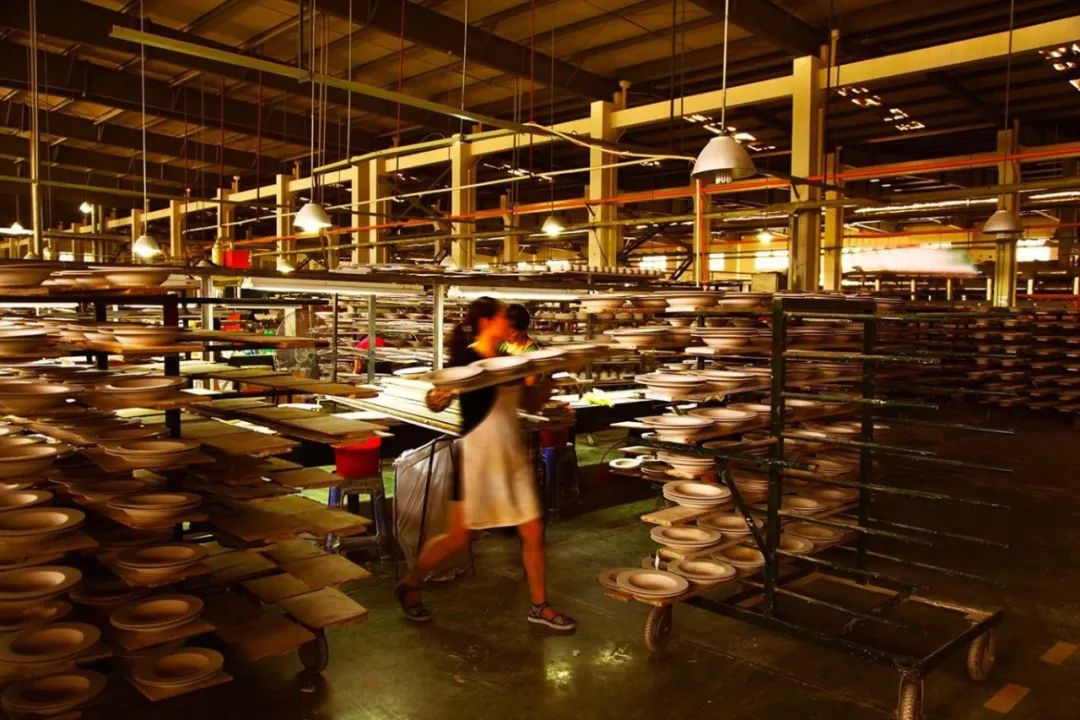
Kiln technology concentration. Chinese ceramic manufacturing regions have developed specialized kiln ecosystems over centuries. Modern Chinese factories operate tunnel kilns—continuous firing systems that maintain precise temperature profiles across 50–100-meter lengths—which produce significantly more consistent glaze results than periodic kilns. Lianyuan Ceramic, for example, operates a 70-meter tunnel kiln alongside a 50-meter enamel firing kiln.
Certification infrastructure. Major export hubs maintain standing relationships with accredited testing laboratories (SGS, Intertek, Bureau Veritas) that understand the specific requirements of FDA 21 CFR, LFGB, and ISO 6486-1 testing. A manufacturer in Chaozhou or Tangshan can turn around a full FDA compliance test report in 7–14 days—a capability that factories in Vietnam or India typically cannot match.
Supply chain depth. The ceramic manufacturing regions maintain complete local supply chains: clay processing, glaze production, mold making, printing inks, kiln equipment, and packaging. This integration is why lead times in China are measurably shorter than in competing countries even for equivalent production volumes.
China’s Four Manufacturing Hubs
Understanding regional specialization prevents the most common sourcing mistake: contacting the wrong type of factory for your product category.
|
Region |
Province |
Specialty |
Typical MOQ |
Price Tier |
|---|---|---|---|---|
|
Jingdezhen |
Jiangxi |
Fine porcelain, hand-painted, artisan collectibles |
200–500 pcs |
Premium |
|
Tangshan |
Hebei |
Bone china, mass-production tableware, hotel ware |
1,000–5,000 pcs |
Budget–Mid |
|
Nanjing |
Jiangsu |
State banquet porcelain, OEM/ODM custom, premium export |
500–2,000 pcs |
Mid–Premium |
|
Chaozhou |
Guangdong |
Hotel ware, restaurant ware, high-volume commercial |
500–3,000 pcs |
Budget–Mid |
For hotel and restaurant procurement: Chaozhou and Tangshan factories offer the best combination of volume, durability, and turnaround. Nanjing factories are the right choice when custom branding and premium materials are the priority.
For tableware brand founders: Nanjing (custom OEM) or Jingdezhen (artisan positioning) depending on your target price point and brand story.
Top 5 Tableware Manufacturers in China (2026)
1. GC Porcelain (Nanjing, Jiangsu) — State Banquet Heritage Since 1958
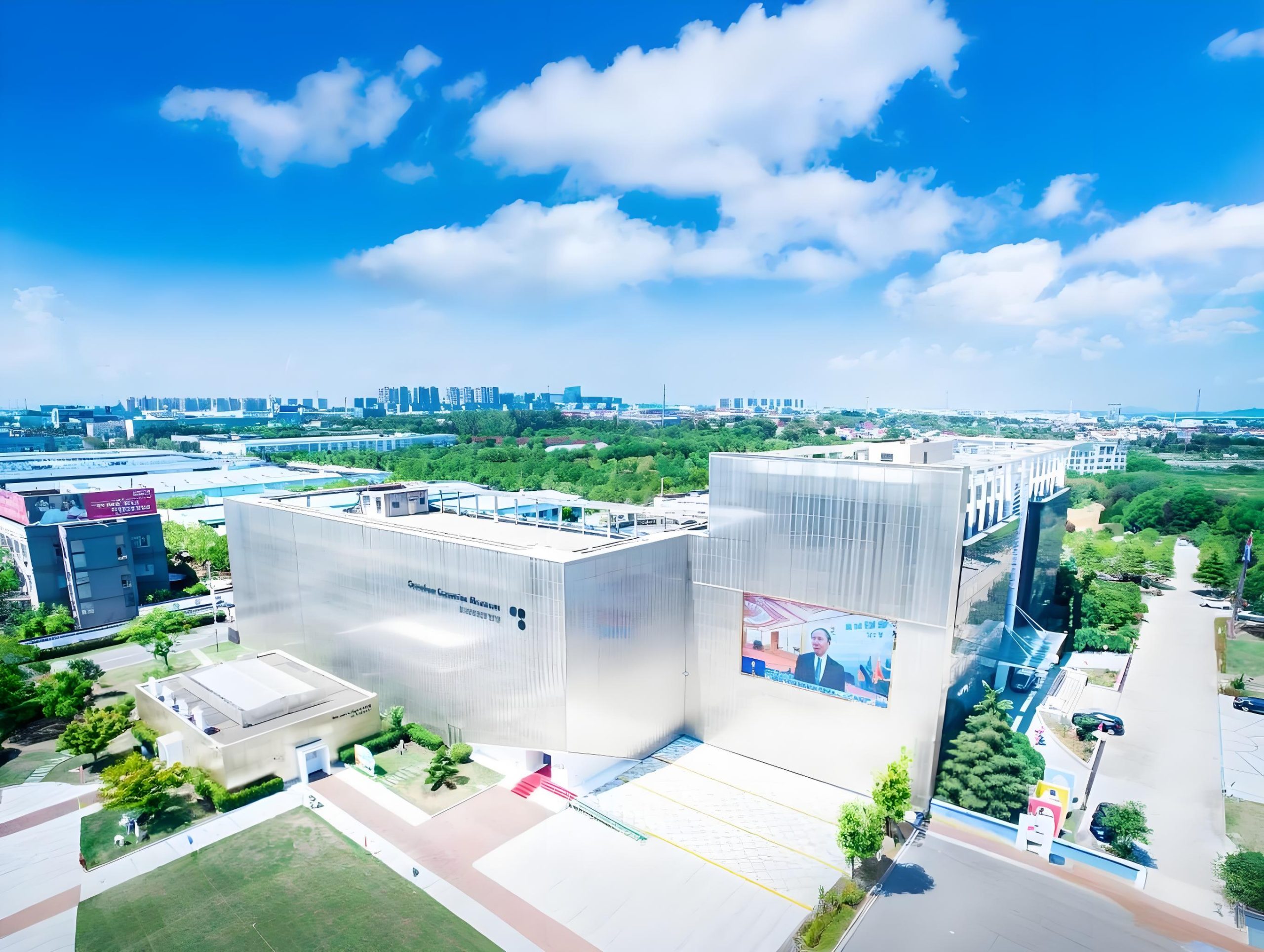
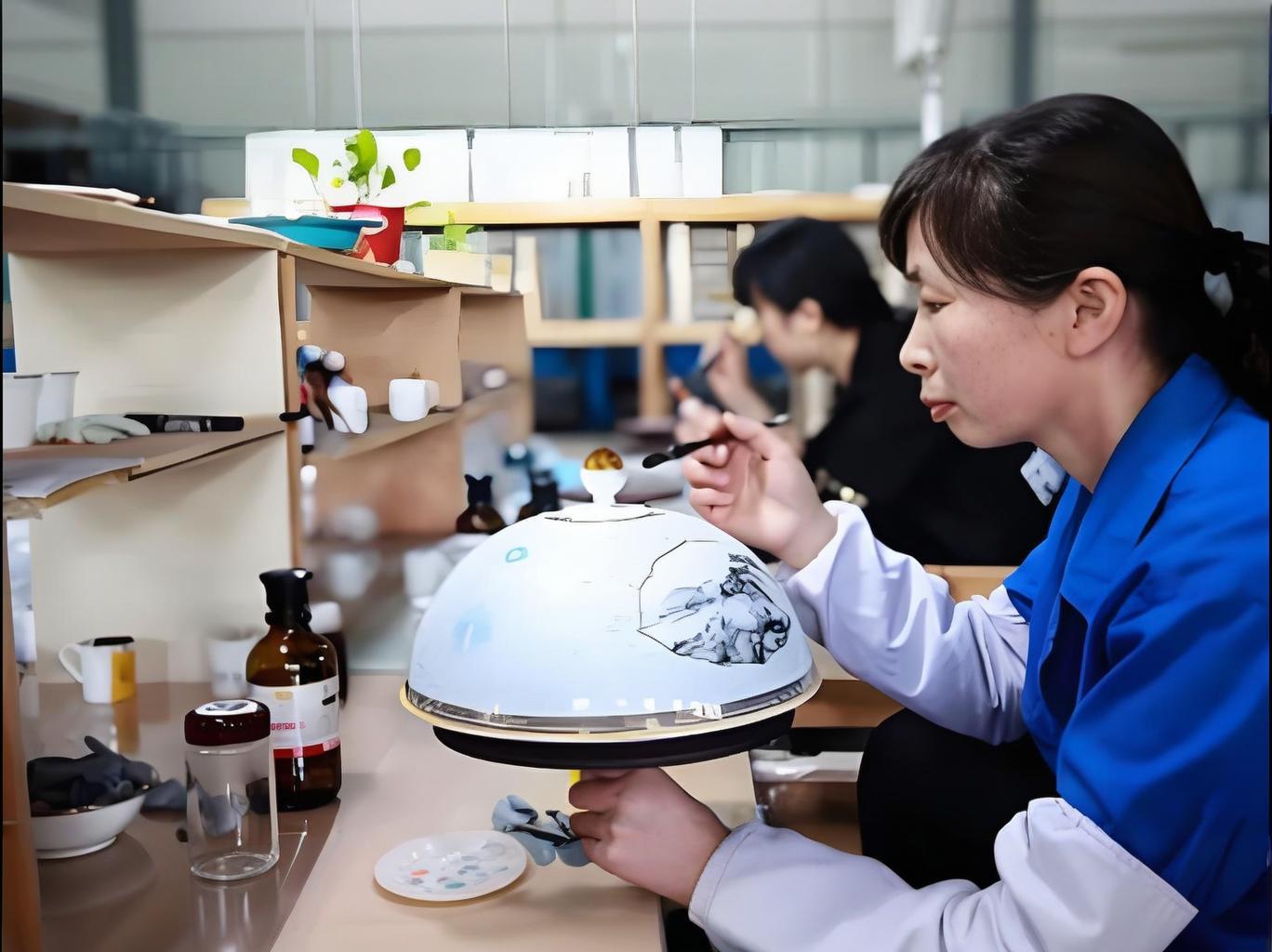
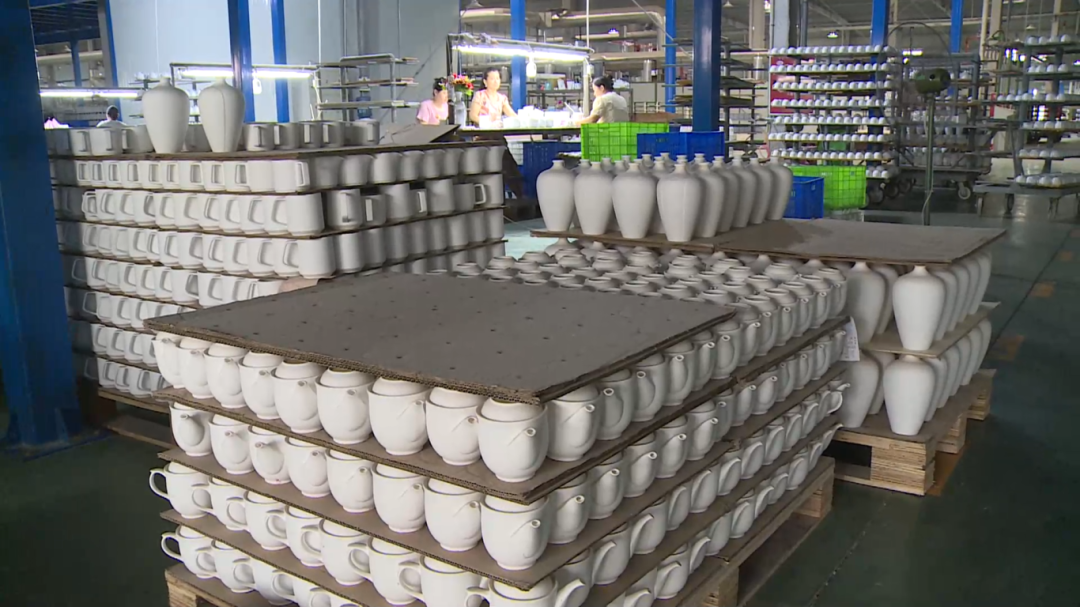
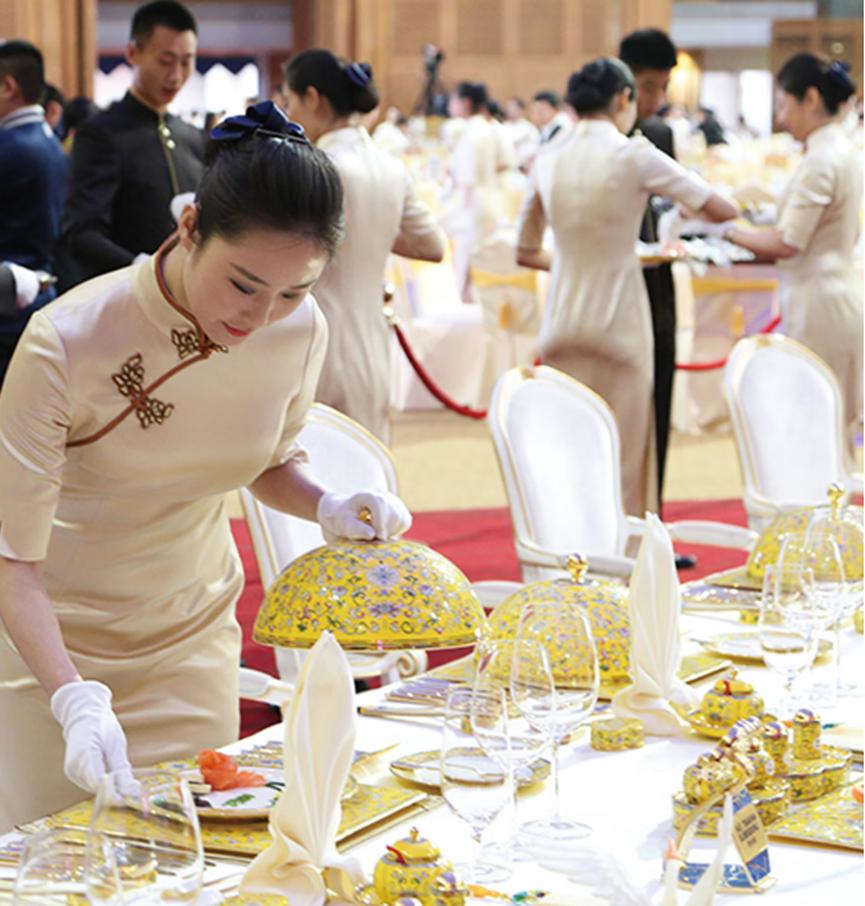
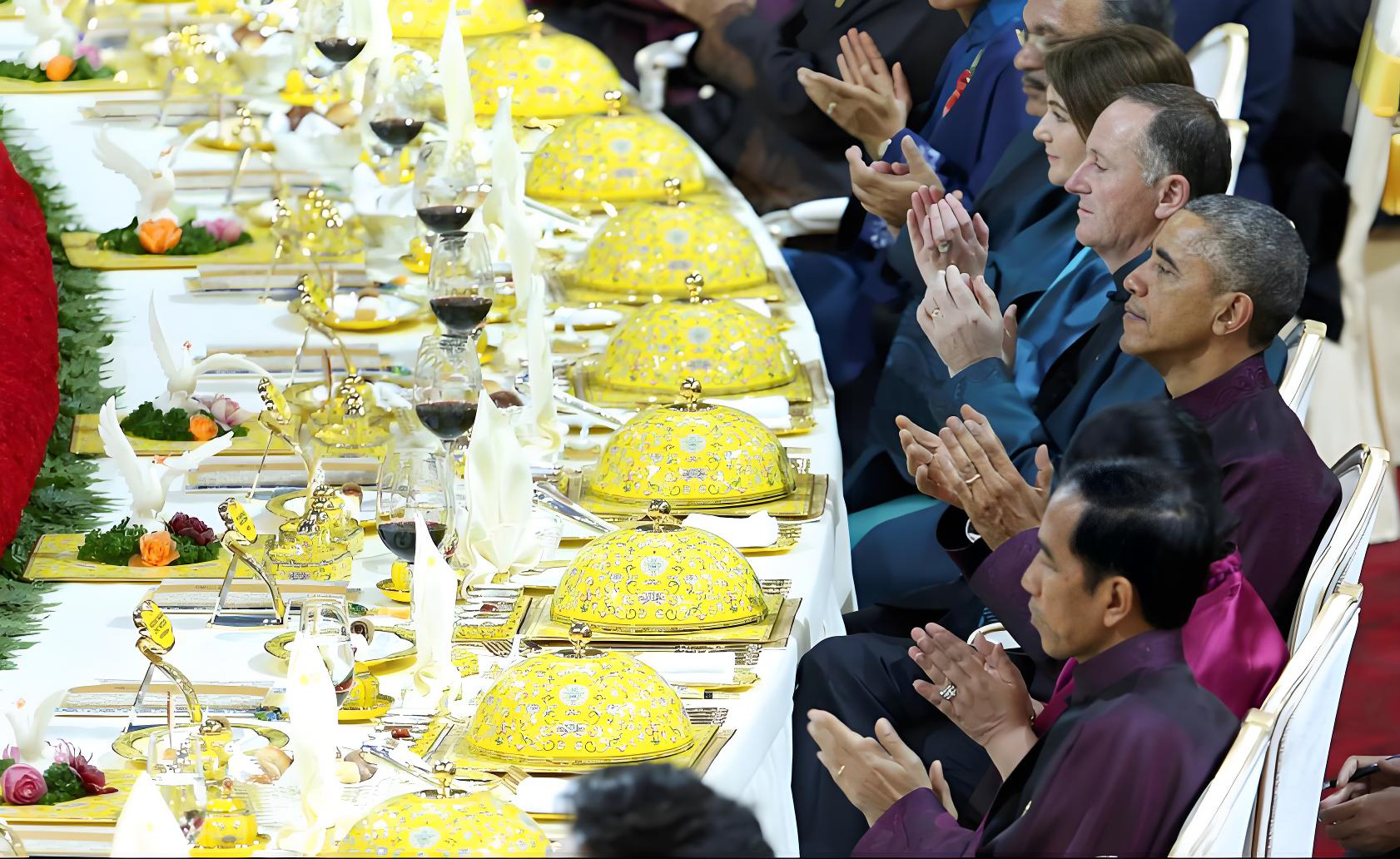
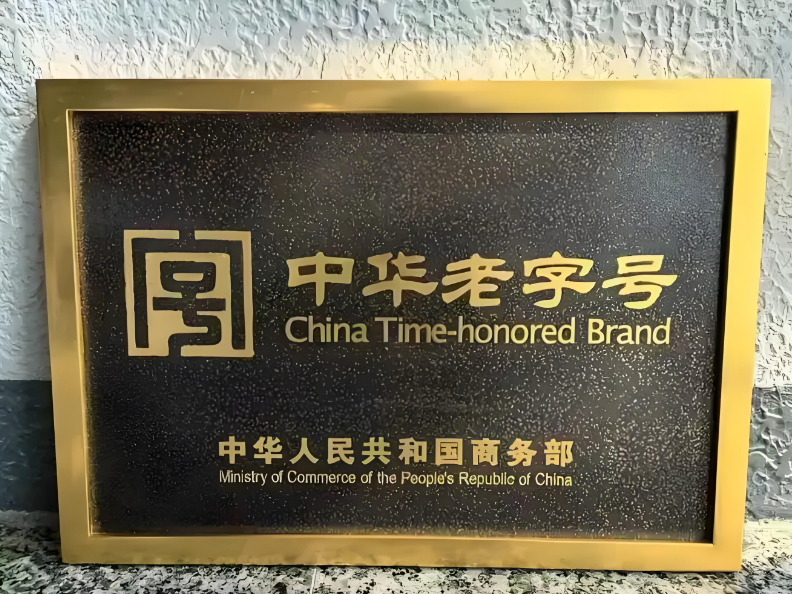
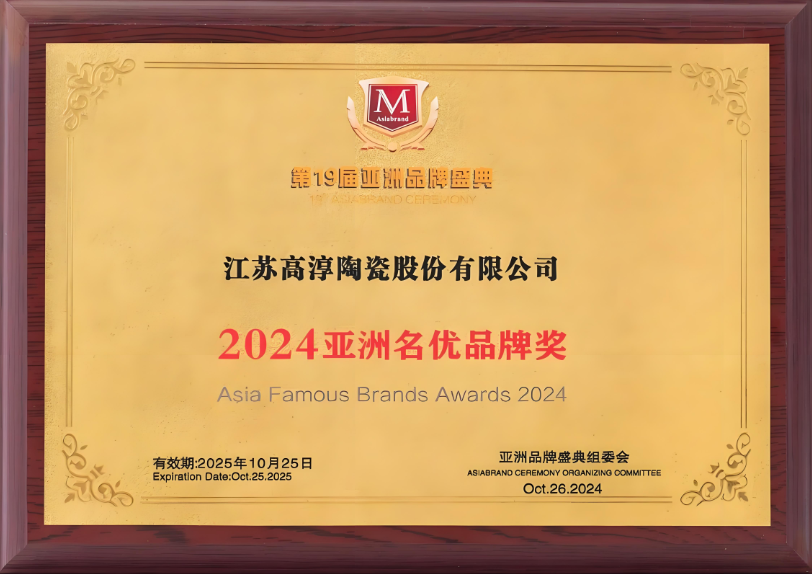
GC Porcelain is a Nanjing-based manufacturer founded in 1958, originally established to supply state banquet events for the Chinese government. The factory has since expanded to serve B2B export clients in over 100 countries, specializing in OEM and ODM custom dinnerware for hotels, restaurant chains, and tableware brands.
Key specifications:
- Annual capacity: 8 million pieces
- MOQ: 500 pieces (OEM logo printing on existing shapes); 1,000+ pieces (custom mold)
- Lead time: 21–30 days (logo printing); 60–90 days (custom shape)
- Certifications: ISO 6486-1, FDA 21 CFR, LFGB (EN 1388-2)
- National First Grade Laboratory: On-site testing for lead/cadmium leaching
- Notable clients: APEC Summit, Belt and Road Forum (government-grade QC)
- Product categories: Bone china, fine porcelain, hotel ware, custom OEM/ODM
Why buyers choose GC Porcelain: The state banquet heritage means QC standards were established under conditions where defects were not commercially acceptable—a meaningful signal for buyers ordering for five-star hotel properties or brand launches where consistency matters.
Contact: gcporcelain.com/custom-dinnerware/
2. Yongjian Ceramic (Chaozhou, Guangdong)
Yongjian Ceramic is a Chaozhou-based manufacturer with over 30 years of operation, focused on wholesale ceramic dinnerware for hotel, restaurant, and retail buyers. The company ranks among the highest-visibility Chinese tableware suppliers in English-language search results.
Key specifications:
- MOQ: 500–1,000 pieces depending on product line
- Certifications: FDA, ISO 9001, LFGB
- Specialty: Volume production; wide catalog of stock designs
- Export markets: US, EU, Southeast Asia, Middle East
Trade-off for buyers: Strong on standard catalog items and high-volume repeat orders. Less suited for deep OEM customization or proprietary shape development, where Nanjing-region factories have a structural advantage.
3. Lianyuan Ceramic (Chaozhou, Guangdong)
Lianyuan Ceramic was founded in 1993 and has built a substantial export business with clients in over 100 countries. The company operates a 70-meter tunnel kiln and holds an unusually broad certification portfolio for a mid-tier supplier.
Key specifications:
- Certifications: ISO 9001, ISO 14001, ISO 45001, SA8000, BSCI, COSTCO Certified, SEDEX, REACH, CNCA
- Design catalog: 2,000+ available designs
- MOQ: Not publicly stated; estimated 1,000+ pieces for custom items
Notable strength: The SA8000 (labor standards) and BSCI certifications make Lianyuan suitable for buyers whose procurement policies include social compliance auditing—a requirement increasingly common in European retail and food service chains.
4. Hosen Home / 28 Ceramics (Chaozhou, Guangdong)
Hosen Home (operating under the 28 Ceramics brand) is a Chaozhou factory with a visible YouTube presence documenting the production process. The factory specializes in restaurant and hotel ware with a focus on durability and commercial volume.
Key specifications:
- Specialty: HORECA (Hotel, Restaurant, Catering) tableware
- Certifications: LFGB certified
- Differentiator: Active video documentation of manufacturing process—useful for buyers who want to verify production capability before placing an order
5. Pito Ceramics (Tangshan, Hebei)
Pito Ceramics operates from Tangshan, China’s largest bone china production base, and focuses on fine bone china dinnerware for retail and hotel markets.
Key specifications:
- Specialty: Bone china tableware, retail-grade
- Certifications: ISO 9001, FDA
- MOQ: Higher than Chaozhou competitors due to bone china production economics
Trade-off: Bone china production in Tangshan delivers the whitest, most translucent porcelain at competitive cost but typically requires higher MOQs than standard porcelain factories.
MOQ, Pricing & Lead Time Comparison
This is the data most sourcing guides omit. Use it as a starting point for your budget modeling—actual quotes will vary by factory and order specifics.
|
Customization Level |
Typical MOQ |
Unit Price Range |
Sample Lead Time |
Production Lead Time |
|---|---|---|---|---|
|
Stock item (no customization) |
100–500 pcs |
$2–15 /pc |
3–7 days |
7–14 days |
|
Logo printing on stock shape |
500 pcs |
$3–20 /pc |
7–14 days |
21–30 days |
|
Custom color glaze on existing shape |
500–1,000 pcs |
$5–30 /pc |
14–21 days |
30–45 days |
|
Custom shape (new mold required) |
1,000+ pcs |
$8–50 /pc |
30–45 days |
60–90 days |
|
Full OEM with proprietary packaging |
1,000–3,000 pcs |
$15–100 /pc |
45–60 days |
90–120 days |
Pricing note: These ranges reflect 2026 export pricing from established factories. Bone china commands a 30–60% premium over standard porcelain at equivalent production volume. Jingdezhen artisan pieces can exceed $100/pc for hand-painted items.
Peak season warning: Chinese ceramics factories operate at maximum capacity from September through November to fulfill holiday export orders. Orders placed during this window should add 2–4 weeks to the lead times above.
How to Evaluate a Manufacturer: 12-Point Checklist
For a complete walkthrough of each evaluation step—including how to verify certifications, conduct a video call factory tour, and structure your mold ownership agreement—see our detailed guide: How to Vet a Chinese Tableware Manufacturer: 12 Questions Every Buyer Must Ask.
The short version: before requesting pricing from any factory on this list, confirm these five non-negotiable items:
- Business License — verify the 18-digit unified social credit code at gsxt.gov.cn
- FDA or LFGB test report — with verifiable lab report numbers (not just a certificate logo)
- ISO 6486-1 compliance — numerical cadmium (≤0.25 mg/L) and lead (≤0.5 mg/L) test results
- Video call factory tour — 30 minutes is sufficient; refusal is a red flag
- Mold ownership clause — written into the purchase agreement before any tooling payment
Manufacturer Comparison Scorecard
|
Criterion |
GC Porcelain |
Yongjian |
Lianyuan |
Hosen Home |
|---|---|---|---|---|
|
Founded |
1958 |
1990s |
1993 |
Est. |
|
Region |
Nanjing |
Chaozhou |
Chaozhou |
Chaozhou |
|
FDA |
✅ |
✅ |
✅ |
— |
|
LFGB |
✅ |
✅ |
✅ |
✅ |
|
ISO 6486-1 |
✅ |
— |
— |
— |
|
SA8000/BSCI |
— |
— |
✅ |
— |
|
Min MOQ |
500 |
500 |
1,000+ |
500+ |
|
OEM/ODM |
✅ Deep |
✅ Standard |
✅ Standard |
✅ Standard |
|
On-site lab |
✅ |
— |
— |
— |
Data compiled from publicly available sources and direct factory verification. “—” indicates not publicly confirmed.
Red Flags to Avoid
Even among legitimate manufacturers, certain patterns indicate a factory that will create problems for your supply chain:
- No physical factory address — trading companies frequently present as factories; always verify the operating address against the Business License
- Certificate logos without test report numbers — authentic FDA and LFGB compliance requires a test report with specific numerical results, not just a badge on a website
- Significantly below-market pricing — Chinese ceramic labor and raw material costs are well-documented; pricing more than 30% below comparable factories usually signals substandard materials, undisclosed subcontracting, or both
- Inability to answer specific technical questions — a legitimate manufacturer can tell you their kiln temperature range, clay body composition, and glaze formulation. Evasive answers suggest a trading company
- No defect handling policy — ask directly what happens when a shipment arrives with defective pieces; a factory without a clear answer has not handled this professionally before
FAQ
Which region in China produces the best quality ceramic tableware?
Quality depends on product category. Jingdezhen (Jiangxi Province) produces the highest-quality fine porcelain and hand-painted pieces, leveraging over 1,000 years of craft tradition. Nanjing (Jiangsu Province) specializes in premium OEM/ODM manufacturing with government-grade quality standards—GC Porcelain, founded in 1958 in Nanjing, has supplied state banquet events and international summits. For high-volume hotel and restaurant ware, Chaozhou (Guangdong Province) and Tangshan (Hebei Province) offer the best balance of cost and durability.
What is the minimum order quantity for tableware from Chinese manufacturers?
Most established Chinese tableware manufacturers accept MOQs of 500 pieces for logo-printing customization on existing shapes. For fully custom shapes requiring new mold tooling, the practical minimum rises to 1,000 pieces—fewer pieces do not justify the tooling cost. Some stock-item orders can be fulfilled at 100–200 pieces, but pricing is significantly higher per unit. GC Porcelain’s OEM MOQ starts at 500 pieces for existing mold shapes.
How do I verify a Chinese tableware manufacturer’s food-safety certifications?
Request the original test report document (not just a certificate image) from the manufacturer. The report should include: the accredited laboratory’s name and license number, the specific sample batch tested, and numerical leaching results for lead and cadmium. Verify the report number directly with the issuing lab—SGS, Intertek, and Bureau Veritas all maintain public report verification portals. For ISO 6486-1 specifically, the report should show lead ≤0.5 mg/L and cadmium ≤0.25 mg/L for flat items.
How long does it take to get custom tableware from China?
Lead times depend on customization level. Stock items with no customization: 7–14 days. Logo printing on existing shapes: 21–30 days. Custom mold development for new shapes: 60–90 days from sample approval. During peak season (September–November), add 2–4 weeks to all estimates. These timelines assume an established factory with current capacity; newer or smaller factories may run longer.
Is it better to buy directly from a Chinese factory or through a trading company?
For B2B buyers placing orders above $10,000 USD, direct factory purchasing is almost always preferable. Direct factories give you visibility into production scheduling, quality control processes, and certification documentation that trading companies cannot provide. The margin a trading company adds (typically 10–20%) reduces your price competitiveness if you’re reselling. The main exception: if you’re sourcing very small volumes across multiple product categories, a trading company can consolidate orders that individual factories won’t accept.
Custom Solutions Available
Our technical experts are always ready to assist you in finding the perfect customized solution for your dinnerware needs.