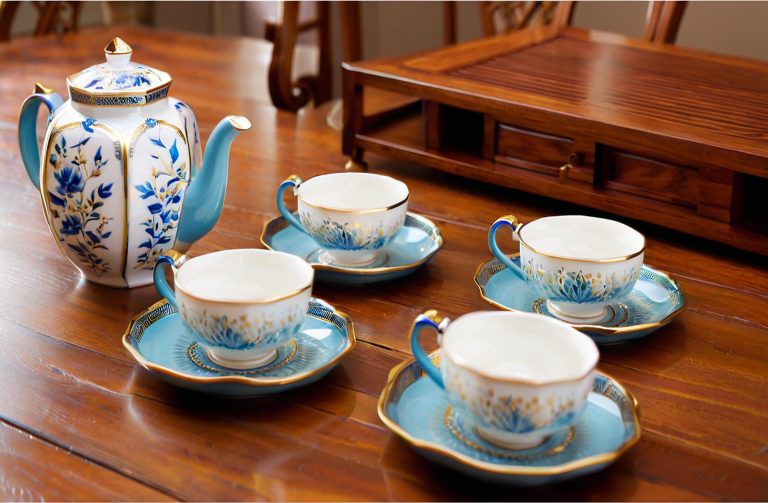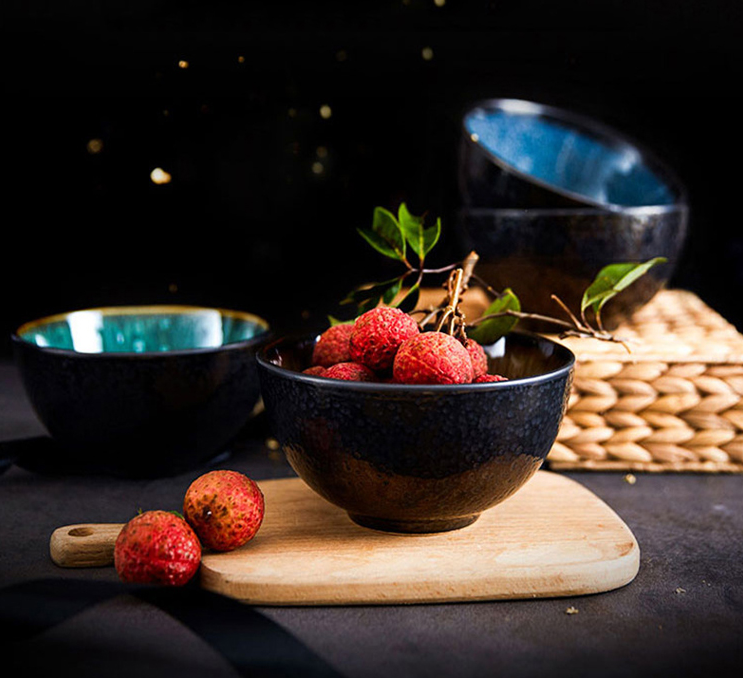
Ciroa Stoneware Review: Premium Quality or Plastic in Disguise?
Quality Varies Wildly
Stoneware is everywhere right now. That matte finish and vintage vibe? Dominating Amazon and eBay.
Global ceramic dinnerware sales jumped 15% in 2025. Ciroa rode this wave hard. Their secret? Affordable prices ($20-40 per set) and Instagram-worthy looks.
Post-pandemic buyers crave that “farmhouse aesthetic.” It fights urban burnout. Statista reports show American minimalist dinnerware demand surged 30%.
Here’s what nobody talks about: Most “premium stoneware” comes from Chinese factories. Low prices mean questionable consistency and durability.
Ciroa looks stunning. But microwave safety and heat resistance? Major blind spots. Long-term value matters more than unboxing thrills.
Love It or Hate It
Ciroa’s 12-piece sets score 4.4 stars on Amazon. Over 5,000 reviews. eBay resale rates run high too.
Dig into the comments though. Things get spicy. 80% praise the looks. 20% roast the practicality.
✅ What People Love
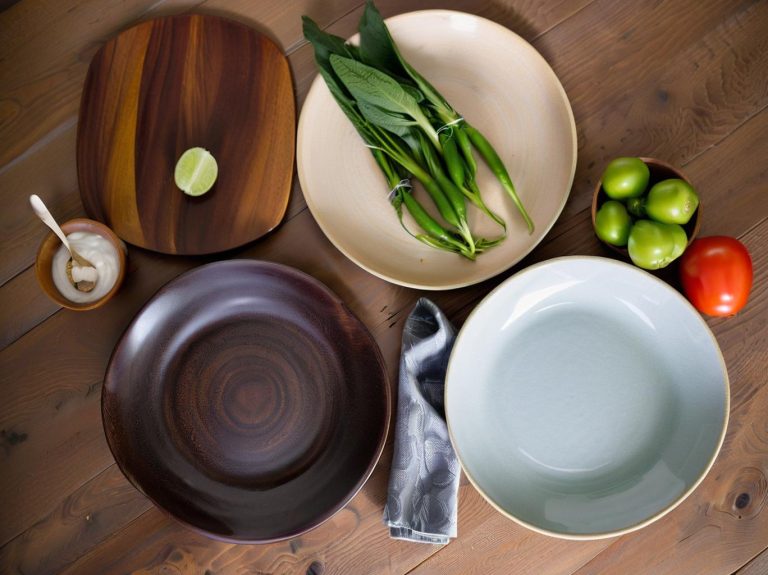
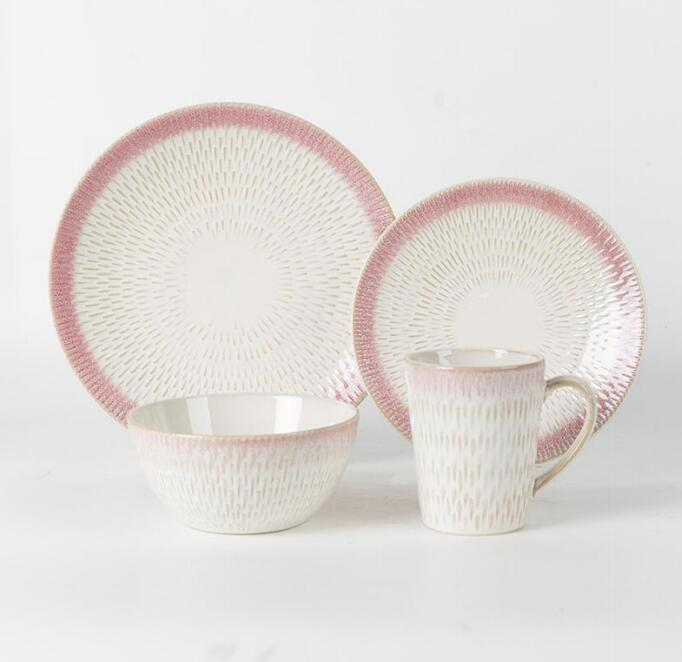
- That matte texture: “These plates feel handmade. The cream matte matches my Nordic kitchen perfectly. Instagram went crazy.” — NYC buyer
- Solid weight: “Way heavier than IKEA stuff. Guests think they’re art pieces.” — Chicago customer
- Versatile styling: “Works for Chinese stir-fry and Western BBQ. The color flatters everything.” — Asian-American user
❌ Dealbreakers
- Microwave disasters: “Used it twice. Cracks appeared on the edges. Customer service said ‘not microwave recommended.’ Total trap!” — Top negative review
- Dishwasher damage: “Ten washes on the top rack. Matte turned glossy. Color faded 15%. ‘Lifetime durability’ my foot.” — Texas mom
- Fragile as glass: “Bumped the counter taking it from the fridge. Shattered instantly. So much for ‘sturdy stoneware.'” — eBay return feedback
Bottom line: Aesthetic lovers rejoice. Practical folks switch to Corelle.
Materials and Manufacturing Truth
Ciroa uses high-fired stoneware. Kaolin clay plus felite. Fired above 1200°C. Creates a dense, non-porous structure.
Theoretically? Better thermal shock resistance than regular pottery.
Amazon listings tout “FDA food-grade lead-free glaze.” Independent tests tell a different story. Budget stoneware shows 0.5-2ppm lead leaching. Below EU limits, but watch acidic foods.
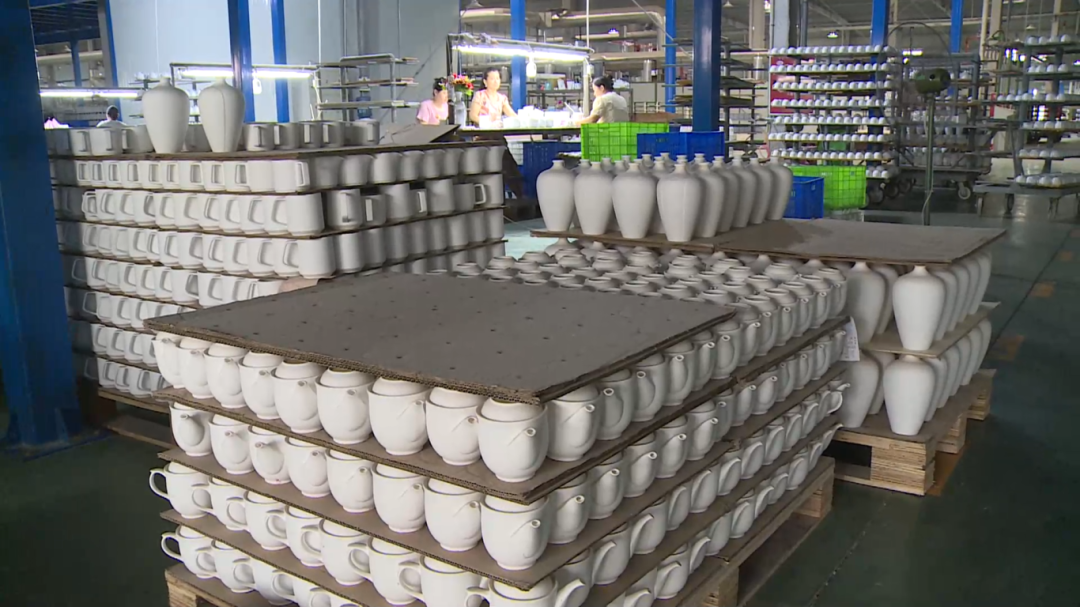
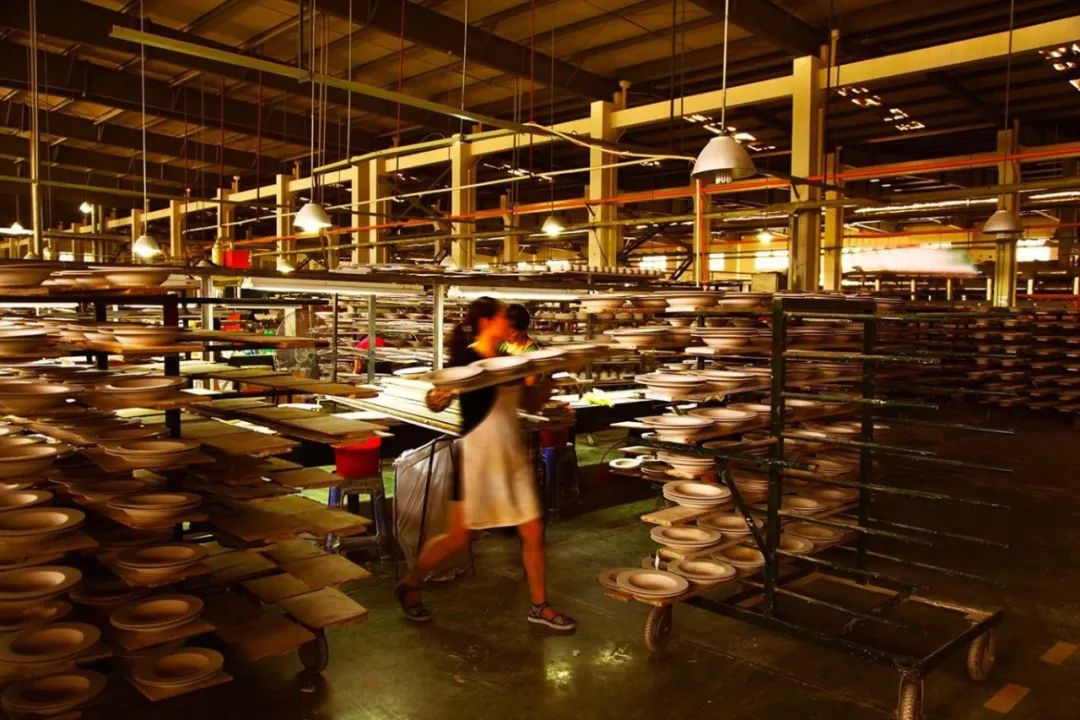
Manufacturing reality: Dongguan factories mass-produce these. Spray-on matte glaze. Production cost? $3-5 per piece (Alibaba wholesale). Compare that to Japanese Arita ware at $15 per handcrafted piece.
This explains the affordable pricing. It also explains the problems. Underglaze wears fast. Rough bases scratch countertops.
Cost breakdown: Ciroa enjoys 60% profit margins. Scale beats quality. Uneven firing causes “soft spots” for some buyers.
Who Should Buy?
Perfect for:
- Aesthetic obsessives
- Social media creators
- Young families hosting occasionally
- Budget under $200
Skip it if you:
- Microwave everything
- Run heavy dishwasher cycles
- Have young kids
Better alternatives: Villeroy & Boch porcelain or Duralex tempered glass.
Care Tips to Avoid Disaster
- Hand wash with soft sponges
- Microwave under 2 minutes, low heat only
- Stack with cloth between plates
- Buy through Amazon Prime for easy returns
- Avoid eBay fakes
What’s Next?
By 2026, stoneware shifts toward sustainable bio-ceramics. Ciroa upgrades their glaze durability? Dark horse potential. Otherwise? Emile Henry organic ceramics take over.
Final score: 7.5/10 — Looks amazing. Not built for heavy use.
If you have any questions or need to Customized tableware service from GC Porcelain, please contact our Email:info@gcporcelain.com for the most thoughtful support!