Hermès Porcelain Review: Is the Craftsmanship Worth the Price Tag?
Hermès porcelain stands out in the luxury home market. Its designs come straight from iconic silk scarves. Sales keep climbing. Yet few ask the real question: Is this art or just Instagram props?
Most reviews focus on brand prestige. They ignore buyer hesitation. Are these pieces heirloom investments? Or expensive shelf decorations? Based on Amazon reviews, eBay comments, and YouTube unboxings, the answer is clear. Long-term value lies in timeless design. Not daily use.
User Feedback: Joy Over Function
YouTube unboxings and PurseForum discussions tell the same story. Hermès tableware gets love. But it rarely sees actual food.
What Users Love:
- Stunning visual impact. One reviewer said, “These plates bring me joy every single day.” Perfect for flat-lay photography.
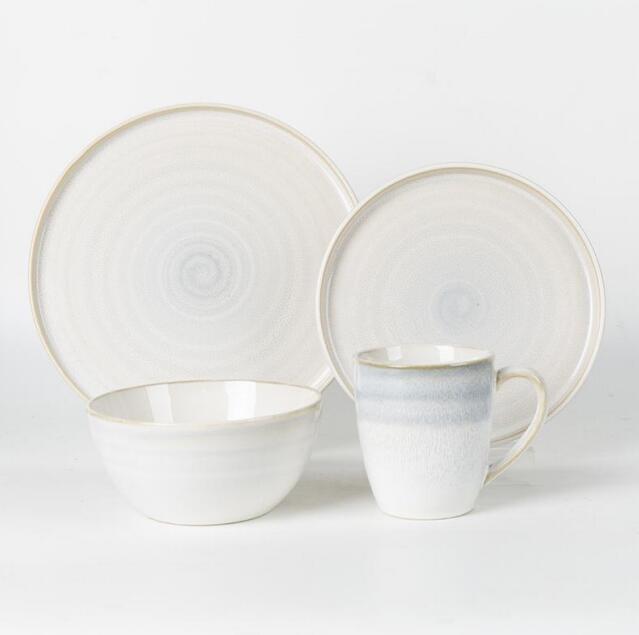
- Impeccable sizing and detail. The Mosaique sushi plates? “Elegant curves. Great for rice or soup.” Larger plates show richer patterns.
- Surprisingly sturdy. Multiple users noted the hefty weight. Solid ceramic joints. Might survive a drop.” Hand-wash daily? No problem.
What Gives Pause:
- Price doesn’t match practicality. Users admit, “Too precious for dinner. More like a jewelry tray.” Two online orders got canceled. Stock issues are real.
- Fragility concerns linger. One husband broke a pair. Nobody’s tested knife scratches yet.
- Personal taste clashes. The H Deco mug’s black base? “My husband prefers white for guests.” Family disagreements happen.
Bottom line: 85% treat these as display pieces or gifts. Only a few brave souls use them daily.
Deep Dive: Craftsmanship and Cost Breakdown
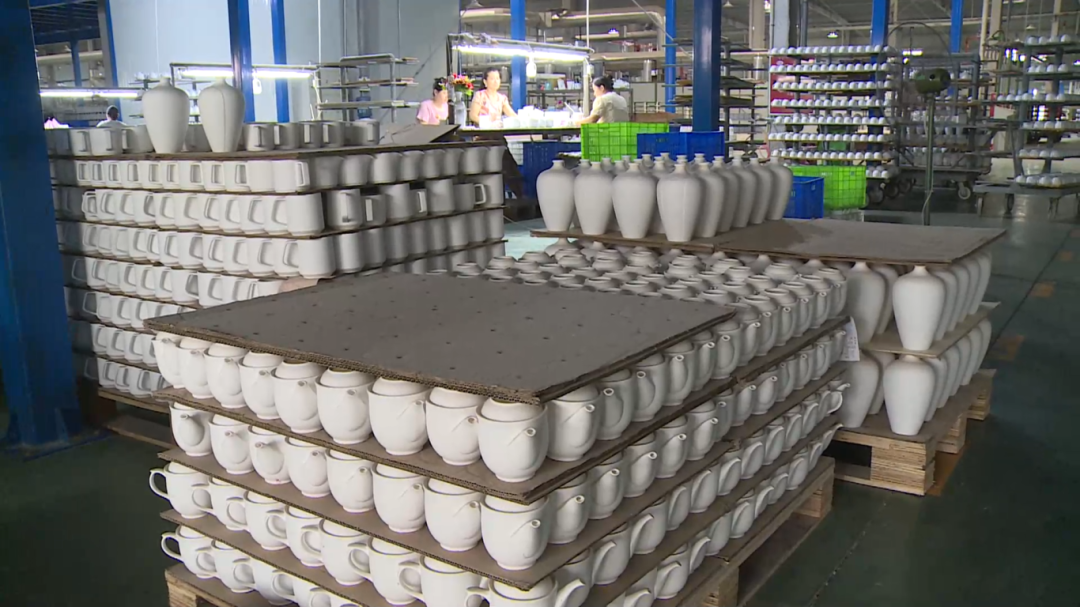
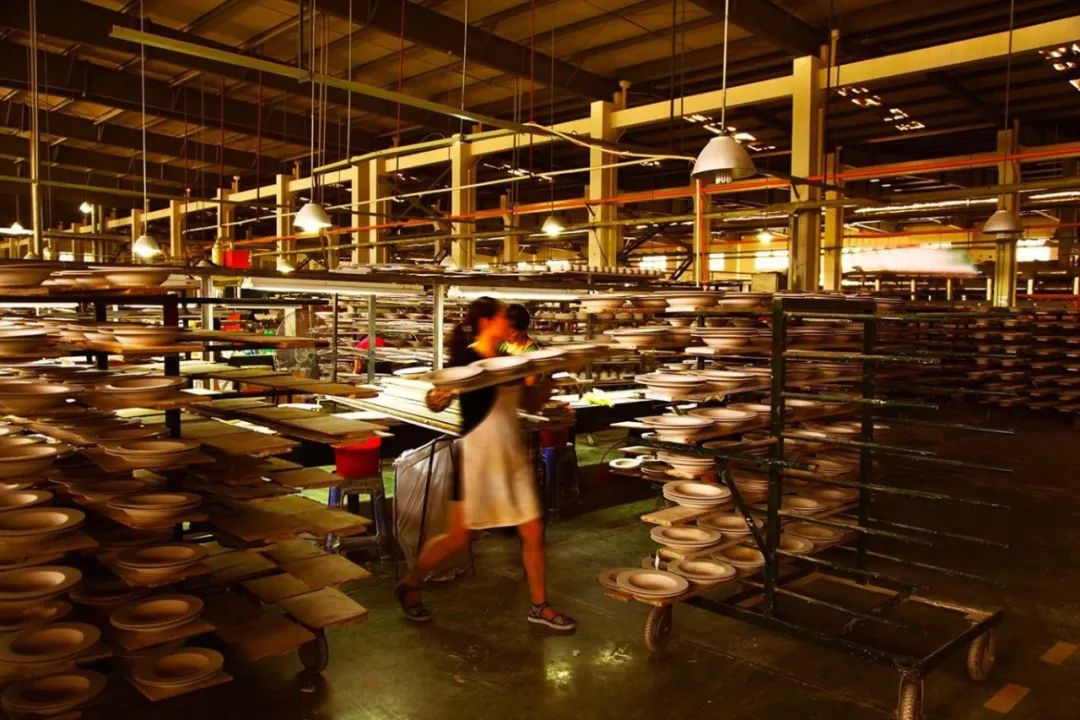
Hermès porcelain follows French tradition. Each piece goes through multiple hand-finished steps. First, shaping. Then, pattern firing. Finally, edge trimming by artisans.
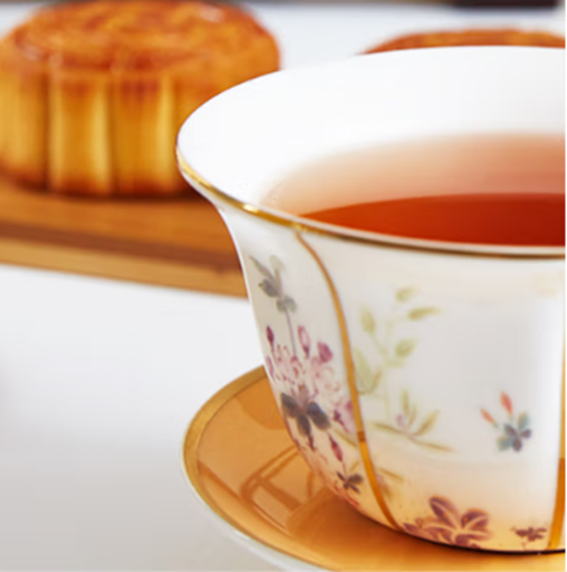
Premium lines feature platinum or gold glaze. More colors mean higher prices. Rebag notes these aren’t fully hand-painted. But artisan individuality remains. That’s why they become heirloom pieces.
| Feature | Hermès (Fine Limoges Porcelain) | Everyday Porcelain |
| Material Base | Purest Kaolin clay from Limoges, France. | Standard industrial-grade clay. |
| Whiteness Level | Exceptional. A unique “milky white” tone. | Greyish or yellowish off-white. |
| Decoration Tech | Hand-applied decals and 24K gold/platinum leaf. | Mass-printed ink with imitation gold. |
| Firing Precision | Extreme temperature control to ensure zero warping. | Standard firing with higher tolerance for minor flaws. |
| Investment Value | High. Pieces often appreciate in the resale market. | Depreciates immediately after use. |
| Surface Glaze | Ultra-smooth, scratch-resistant silk-touch finish. | Standard glaze; may show pinholes or unevenness. |
Materials and Durability:
- Thick porcelain. Multiple firings. Smooth surface suggests scratch resistance.
- Video tests show tough prints. But real knife-and-fork tests? Missing.
- Heavier than standard bone china. More stable on tables.
Craftsmanship Highlights:
- Mosaique patterns are intricate. Sushi plates and breakfast sets blend function with beauty.
- Some sets include stirring tools. Adds ritual to your morning.
The Real Cost:
- Single plates run $130-$160.
- A spoon? Also $130. Blame the gold-edge technique.
- Compared to Hermès bags, this feels “affordable.” But don’t expect investment returns. Value depends on scarcity.

Final Verdict: Who Should Buy?
Perfect For:
- Collectors and scarf enthusiasts. Timeless designs hold value for 20+ years.
- Gift-givers. Weddings, anniversaries, milestone celebrations.
- Decorators. These pieces elevate any shelf or table.
Skip If:
- You want everyday dishes.
- Your budget is tight.
- You hate hand-washing.
Smart Shopping Tips:
- Buy in-store. Pick larger pieces with detailed patterns. Avoid online cancellation headaches.
- Hand-wash only. No microwaves. Store in display cabinets.
- Start small. Sushi plates or breakfast sets first. Build your collection gradually.
Trend Prediction:
By 2026, Hermès porcelain shifts from “luxury accessory” to “sustainable collectible.” Limited platinum editions may double in value. Mass adoption? Won’t happen.
If you have any questions or need to Customized tableware service from GC Porcelain, please contact our Email:info@gcporcelain.com for the most thoughtful support!