Homer Laughlin Plate Review: More “Hardcore” Than You’d Expect
Brand Background: An Underrated American Classic
Homer Laughlin launched in 19th-century Ohio. It supplied plates to restaurants, hotels, and homes across North America. Think of it as America’s workhorse dinnerware brand.
Most people only know their famous Fiesta line. But here’s the thing. Those plain white plates at your local diner? Probably Homer Laughlin or their Steelite brand.
Today, you’ll find three main types:
- Commercial restaurant china still in production (labeled Homer Laughlin / Best China / Steelite)
- Mid-century vintage plates for home or restaurant use (common on eBay, Etsy, 1stDibs)
- Collector pieces with special patterns or commemorative themes
We’re skipping the Fiesta hype. Instead, let’s focus on what matters: real-world performance, materials, and whether it’s worth your money.
The biggest value here? Durability, consistency, and long-term cost savings. That’s why pros use them.
User Feedback: What Real Buyers Say
The General Consensus
Reviews from Amazon, restaurant suppliers, and vintage marketplaces agree on a few things:
- Crazy durable. High-fired, thick walls, hard glaze. Won’t chip easily under heavy commercial use.
- Function over flash. Modern lines like Times Square and Gothic look decent. But they’re built for stacking and plating.
- Heavy in the hand. Many home users note: “It feels like a restaurant plate.” Secure grip, but not for kids or bone china fans.
- Vintage collectors love them. Complete sets with classic patterns (Blue Willow, Virginia Rose) fetch premium prices.
Here are some standout products:
- Times Square 10″ Square Plate (HL08700)
High-fired, lead-free glaze, chip and scratch resistant. Modern, dramatic plating vibes. - Seville 10 5/8″ Round Plate (Platinum Line)
Hotel-grade porcelain. Dishwasher, microwave, oven safe. Classic round shape with platinum trim. - Gothic 11 1/8″ Embossed Plate
Ivory or American white glaze. Wide rim with gothic arch embossing. Perfect for entrees or serving platters.
Vintage sellers often highlight:
- Heritage appeal. Founded in 1871. It’s a piece of American domestic history.
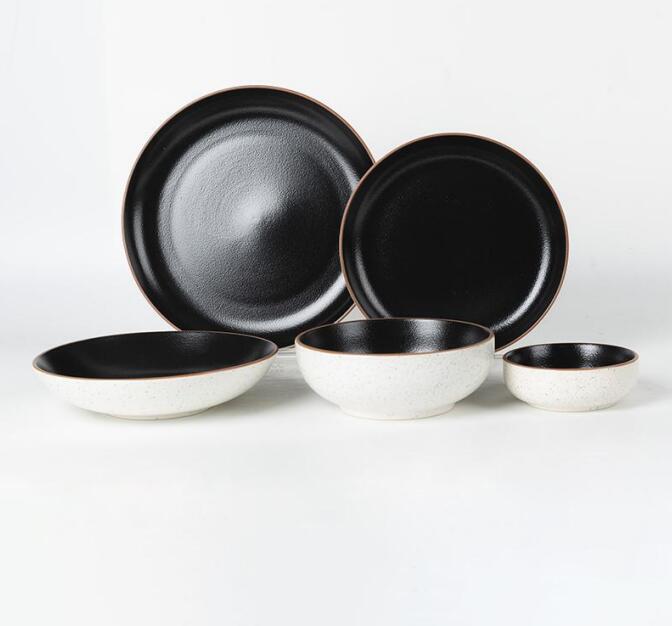
- Retro aesthetic. 1980s cream-colored speckled stoneware screams “rustic modern.
- Fiesta holds value. Complete sets and commemorative patterns sell fast in collector circles.
✅ Highlights: What Users Love Most
- 1. Near-indestructible durability
Restaurant owners report years of dishwasher abuse with minimal edge wear. High-fired construction handles daily chaos. - 2. Perfect stacking consistency
Restaurants need uniform plates. Homer Laughlin delivers tight tolerances. Stacks neatly. Easy to grab. Home storage gets simpler too. - 3. Versatile across occasions
Gothic or Times Square plates work for Tuesday dinner and holiday feasts. Tougher than bone china. Better looking than big-box store basics.
❌ Dealbreakers: The Hidden Downsides
- 1. “Beautiful but heavy” tops the complaint list
Switching from bone china or IKEA plates? Expect arm fatigue carrying a stack. Watch out if you have kids or elderly users. - 2. Some vintage pieces aren’t daily drivers
Mid-century plates may have metallic trim or old glazes. Not always microwave or dishwasher safe. Know what you’re buying. - 3. Too many series confuse newbies
Restaurant line vs. home line. Modern vs. vintage. Plain white vs. gold trim. Many secondhand plates lack clear labels. Just cryptic backstamps.
Deep Dive: Materials, Craft, and Cost Logic
1. Material Breakdown
- Body composition
Modern Homer Laughlin / Steelite plates use vitrified china or stoneware: - Heavier than bone china, but way more chip-resistant
- Ultra-low water absorption prevents staining
- Built for high-turnover restaurant environments
- Glaze characteristics
Commercial pieces use high-temp lead-free glaze: - High shine, easy to rinse
- Survives countless dishwasher cycles
- Resists metal utensil scratches (though knife marks may appear)
- Color options
Main colors: Arctic white, ivory / American white, cream speckled.
For restaurants, consistent color ensures uniform presentation. For home users, it means easy replacements that actually match.
2. Construction Details
- High-fired thick bodies
These plates are dense and heavy. Rims are thickened or flared to absorb impact. That’s why they resist chipping. - Shape specifics
- Times Square: Squared with rounded corners. Modern look without fragile sharp edges.
- Gothic: Wide embossed rim. Dramatic presence. Check cabinet width before buying.
- Manhattan black-rim: Classic diner style. Raised rim holds sauces well.
3. Pricing Breakdown
- Current commercial line
10-inch dinner plates typically sell by the dozen. Mid-to-upper commercial pricing. But with long lifespan and low breakage, cost per use is rock-bottom. - Vintage and collector pieces
- Basic vintage plates: Affordable per piece. Great for mix-and-match tables.
- Rare patterns or complete sets: Blue Willow, Fiesta collections, commemorative plates can hit hundreds to thousands. You’re paying for culture and scarcity.
Buying Verdict: Who’s It For?
You Should Buy If:
- 1. You prioritize durability over delicacy
Heavy dishwasher use? Clumsy family members? Kids? Modern commercial lines survive drops and stacking that would destroy bone china. - 2. You want restaurant-grade plating at home
Times Square or Gothic plates make steaks and pasta look professional. More dramatic than generic white plates. - 3. You collect vintage Americana
Love 1940s–80s aesthetics? Homer Laughlin vintage is accessible. Strong brand recognition. Reasonable prices. Clear lineage.
Skip It If:
- 1. You love ultra-light, translucent dishes
Bone china lovers will find Homer Laughlin clunky and heavy. Missing that refined touch. - 2. Your kitchen storage is tight
Thick bodies and wide rims stack fewer plates per shelf. Measure your cabinets first. - 3. You need stovetop-to-table versatility
Microwave and oven? Usually fine. Direct flame or electric cooktop? Nope. Get cast iron for that.
Shopping Tips and Pitfalls
1. Choosing Modern Commercial Lines
- Match to your use case:
- Daily meals: 10–11 inch round plates (Seville, Gothic). White or ivory works.
- Plating and photos: Add 1–2 statement pieces (Times Square square plates, textured rims).
- Buy matching sets. Avoids discontinued patterns or color mismatches later.
- Skip metallic trim for home use. Microwave and dishwasher friendly.
2. Buying Vintage Safely
- Check backstamps and series names. Confirm no metallic edges if you need microwave safety.
- Aim for complete or half-complete sets. Easier to style. Easier to resell.
- Avoid plates with cracks, crazing, or heavy gold loss. Those are display pieces, not daily users.
3. Care and Maintenance
- Despite scratch resistance:
- Use round-tipped cutlery to minimize metal marks
- Place soft cloth between stacked plates (especially embossed or metallic styles)
- Dishwasher safe, but don’t mix with pots and pans. Protects edges and decorations.
- For gold-trimmed vintage:
- Skip the microwave
- Hand wash preferred
- Avoid harsh alkaline detergents
Trend Watch: Future Value
- Commercial sector: High-density china with standardized sizing stays dominant in North American restaurants. Your plates today will likely stay replaceable for 5–10 years.
- Vintage market: More mid-century American plates hit global secondhand markets yearly. Long-term value concentrates in Fiesta, rare patterns, and commemorative editions.
- Home use shift: Consumers want fewer, tougher, longer-lasting pieces. A solid Homer Laughlin commercial set beats a cabinet of fragile bone china collecting dust.
Bottom line:
Want a workhorse set that handles dishwashers and daily abuse? Need some restaurant plating drama? Homer Laughlin / Steelite white commercial plates are a safe, smart bet.
Chasing elegance, lightness, and afternoon tea vibes? Let these be your “tough backup set.” Not your only set.
If you have any questions or need to Customized tableware service from GC Porcelain, please contact our Email:info@gcporcelain.com for the most thoughtful support!