Mikasa Bone China Review: Is Vegan Bone China Built to Last—or Hiding Flaws?
Market Context and Core Conflict
Mikasa sits under Lifetime Brands. It’s a classic dinnerware name famous for bone china.
Their Vegan Bone China launch? A game-changer. It captured eco-conscious buyers in the mid-to-high-end market fast.
Here’s the innovation. Traditional bone ash gets replaced. Calcium oxide and phosphate create tricalcium phosphate instead.
You still get that translucent glow, featherlight feel, and chip resistance. Firing temps hit 2102°F to 2282°F. Daily durability? Locked in.
Most reviews hype the basics. Dishwasher safe. Microwave safe. Oven safe up to 400°F. Convenient stuff.
But they miss the real issues. Glaze acid resistance and color stability matter long-term. Coffee stains and vinegar-based foods attack the finish.
Skip immediate rinsing? Expect discoloration. Maybe cracks.
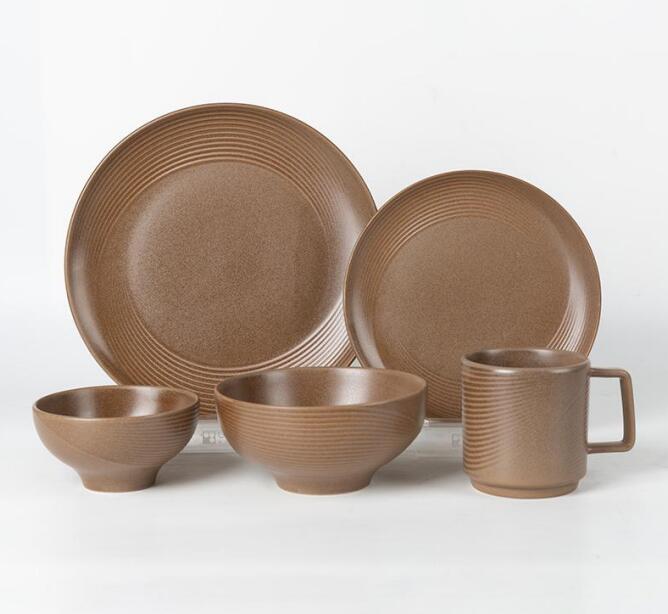
This creates a core tension. Bone china looks elegant but demands careful handling. Stoneware handles abuse better.
The Vegan version boosts strength. It doesn’t eliminate fine china’s fussy nature completely.
Value proposition? Strong. Single pieces start around $1.80 on Taobao. Perfect for families wanting beauty plus function.
For rough users though? ROI gets questionable.
User Feedback: Real Review Analysis
Data pulled from Taobao Malaysia and Amazon’s high-engagement sections. Mikasa bone china scores 4.8+ stars.
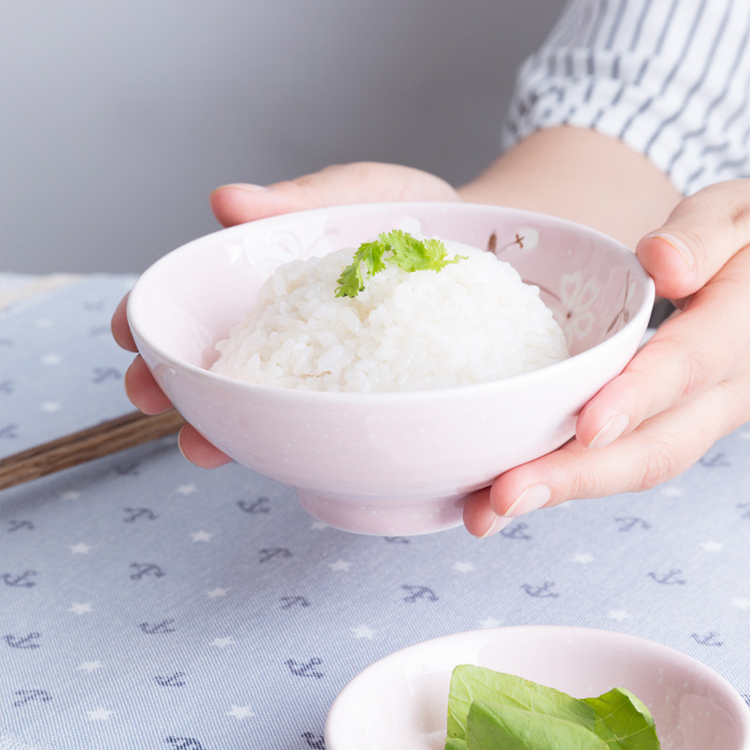
Best sellers? Pure white rice bowls and soup bowls. Sales exceed hundreds. Users love “delicate yet surprisingly durable.”
Still, negative reviews expose durability blind spots. Glaze scratching. Thermal shock risks.
Highlights:
- Ultra-light, chip-resistant feel — Users say “feels like a feather, dropped it and it survived.” Credit goes to the mineral formula: feldspar, kaolin, quartz.
- Lead-free, cadmium-free eco glaze — One mom shared “safe for baby, pure white stays clean, heats evenly.” Independent lab testing confirms this.
- Premium visual appeal — “Dining table looks like a restaurant instantly.” Works for everyday meals and dinner parties.
Red Flags:
- Glaze damage risk — User complaint: “Vinegar soak turned edges yellow. Mayo stains won’t come off.” Brand FAQ warns: rinse acidic foods immediately.
- Uneven microwave heating — “Heated frozen food directly. Got a crack.” Avoid extreme temperature swings.
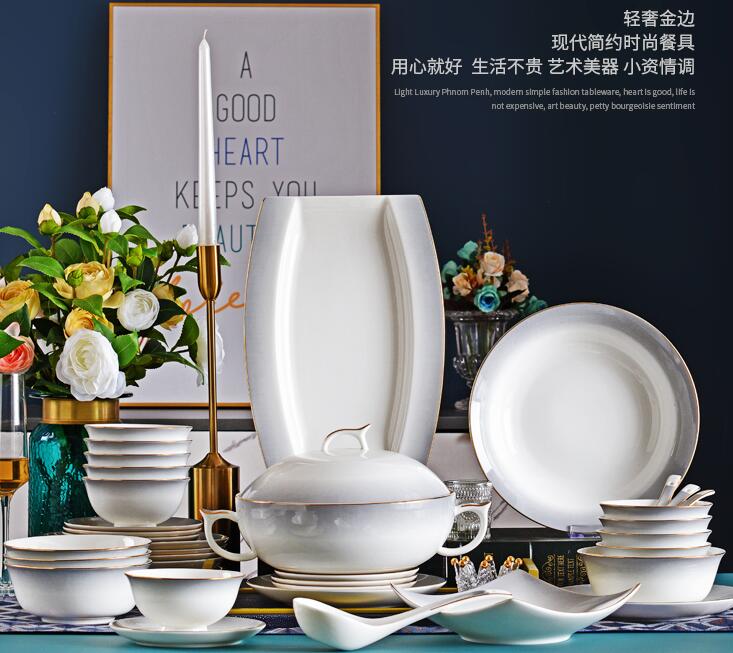
- Gold trim restrictions — 24K gold-edged pieces? No microwave. Hand wash only. Handle gently.
These aren’t isolated cases. Three of five Taobao reviews praise eco-friendly glaze. Two mention cleaning headaches.
Vegan bone china is tough. It’s not invincible.
Deep Dive: Materials, Craftsmanship, and Cost Breakdown
Material Upgrade: Vegan Bone China’s Core Innovation
| Feature | Mikasa Vegan Bone China | Traditional Bone China | Standard Stoneware |
| Strengthening Agent | Tricalcium Phosphate (Mineral) | Bone Ash (Animal-derived) | None (Pure Clay/Silica) |
| Translucency | High (nearly identical to traditional) | Supreme. The industry gold standard. | Opaque. No light passes through. |
| Weight | Featherlight and thin. | Very light and refined. | Heavy and thick-walled. |
| Eco-Friendliness | High. 100% Vegan & cruelty-free. | Low (uses animal by-products). | High (natural earth materials). |
| Chip Resistance | Excellent due to high-temp firing. | High, but sensitive to edge impact. | Moderate. Prone to surface chips. |
| Stain Resistance | Sensitive to acidic foods if unrinsed. | Moderate. Requires gentle care. | High. Non-porous and rugged. |
Traditional bone china contains bone ash. Mikasa’s Vegan version swaps in calcium oxide plus phosphate.
This produces tricalcium phosphate. It mimics bone china’s strength, translucency, and chip resistance.
Firing range sits between 1475°F and 2502°F. Result? Lightweight daily-use dinnerware.
Compare that to stoneware. It fires at 1900°F to 2300°F. More rugged. Handles bumps better.
Official testing shows chip resistance matching fine china. Yet it’s 100% vegan-friendly. Global plant-based trends? Fully aligned.
Craftsmanship Details: Safety Meets Limitations
- Glaze process — Eco-friendly. Lead-free. Cadmium-free. Dishwasher safe with gentle detergent. Coffee cups need immediate rinsing to prevent staining.
- Use cases — Microwave safe (non-metallic designs only). Oven limit: 400°F. Gold patterns require hand washing.
- Cost structure — Taobao prices start at $1.80 per piece with bundle deals. Way below imported retail. Asian manufacturing optimizes costs. Gold-trimmed designs add 20-50% premium. ROI depends on usage frequency.
Compared to traditional fine china, the Vegan version handles heat better. But acid damage and collision risks remain.
Think of it like premium glassware. Beautiful. Somewhat fragile. Same tradeoff.
Final Verdict: Who Should Buy and Practical Tips
Ideal buyers: Young families wanting elegance plus eco-friendliness. Vegans. Western-style table enthusiasts.
Pure white basics work great for households with kids. Long-term value is solid—expect 5-10 years of use.
Budget under $30? Stock up on soup bowl sets.
Skip it if: You’re a rough user. Love acidic dressings. Hate cleaning promptly.
Stoneware will save you headaches.
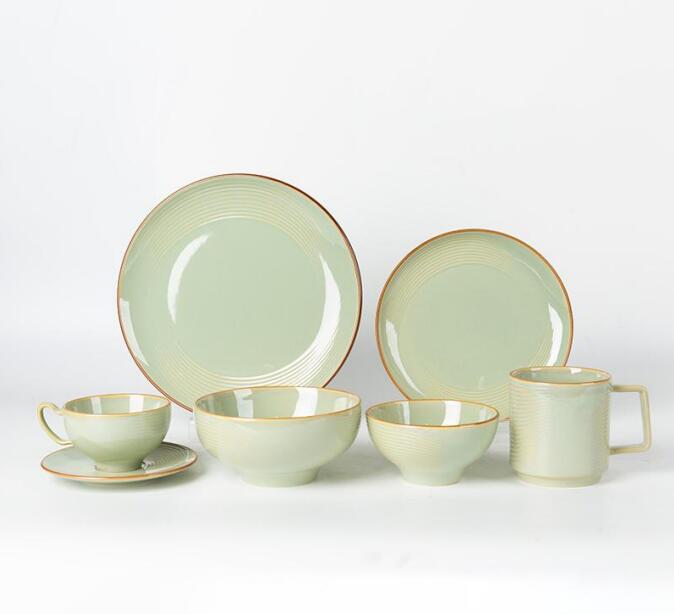
Maintenance Tips:
- Rinse coffee and acidic foods immediately. Never microwave frozen items directly.
- Hand wash gold-trimmed pieces. Use mild dishwasher detergent. Prevent collisions.
- Storage: layer cloth between stacked pieces. Prevents chipping.
Trend Prediction: By 2026, Vegan bone china will dominate Asian markets.
Expect Mikasa to release more metal-free designs. Integration with smart home appliances—like high-temp steam ovens—seems likely.
Care about sustainability? Now’s the time to buy in.
If you have any questions or need to Customized tableware service from GC Porcelain, please contact our Email:info@gcporcelain.com for the most thoughtful support!