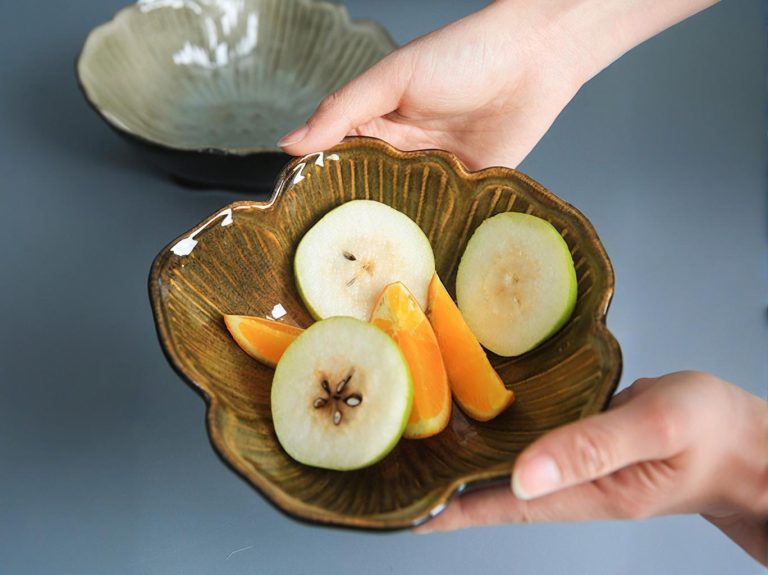
Gibson Elite Dinnerware: Looks Great, But Can You Actually Use It Daily?
The Market Reality
Gibson Elite sits in the mid-range American dinnerware market. Here’s what they promise:
- Stunning reactive glaze finishes with modern shapes
- Everyday “designer-lite” dishes at prices way below premium brands
But buyers face real conflicts:
- Pretty vs. practical — Will that artisan-look glaze scratch or chip?
- Heavy vs. light — Thick stoneware feels solid but weighs a ton. Bone china looks elegant but seems fragile.
- Daily use vs. dinner parties — Can one set handle both?
Product pages hype “gorgeous” and “microwave-safe.” They skip the hard questions. How does the glaze hold up after years? What’s the chip rate? How much cabinet space do they eat? What if you have kids?
This review covers popular Gibson Elite lines:
- Gelston reactive glaze stoneware
- Embossed Bone China double bowl set
- Matisse and Ogalla series (frequently mentioned in third-party reviews)
We’ll dig into real user feedback and material quality.
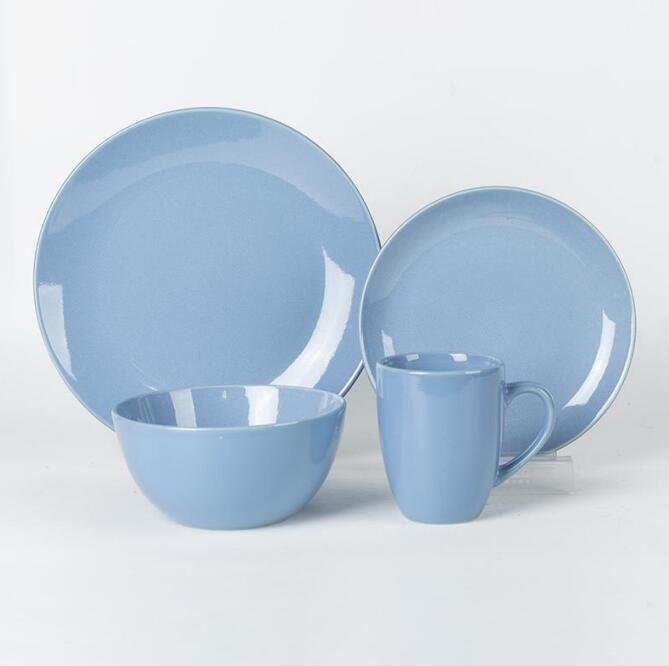
Real User Reviews: The Good and The Bad
Overall Sentiment
Based on Target, Walmart reviews, and media tests, Gibson Elite earns mixed marks:
- Design and looks: Excellent
- Users call reactive glaze pieces “absolutely beautiful” and “simple but elegant.”
- Modern straight edges and dinner bowls get praised as “restaurant-quality” presentation.
- Durability: Varies wildly by series
- Thick stoneware like Matisse survives drops. One tester’s bowl fell onto a fiberglass roof, then wood floor. No chips.
- Thinner ceramic sets crack easily on impact.
- Convenience: Microwave and dishwasher friendly
- Big win: Plates don’t get scorching hot in the microwave. Safer to handle than thin porcelain.
- Dishwasher performance stays solid. No widespread complaints about fading or cracking.
- Weight and storage: Love it or hate it
- Pro: Heavy feels substantial and premium.
- Con: Matisse pieces “look great but hog cabinet space.” Awkward in small kitchens and dishwashers.
✅ What Users Love
Win #1: Reactive glaze looks expensive
- Gelston’s matte reactive glaze creates unique patterns on each piece. Users say it “looks handmade” and “way pricier than it costs.”
- Perfect match for modern, Scandinavian, or wabi-sabi kitchens.
Win #2: Dinner bowls are genius
- Many sets include 8.5–8.75 inch dinner bowls. They work as plates AND bowls.
- Great for salads, pasta, stews, rice bowls. One dish, whole meal.
- Higher edges keep sauces contained. Parents love this. Less mess on the table.
Win #3: Microwave-safe without burning your hands
- Users compare to old dishes: “My thin plates get hotter than the food.”
- Gibson stoneware stays warm but holdable after heating.
❌ The Dealbreakers
Problem #1: Too heavy for some users
- Multiple reviews mention:
- “Great quality, but plates are heavy.”
- Large dinner bowls stack awkwardly. They crowd small cabinets and dishwashers.
- Older users or anyone with wrist issues should think twice. Carrying these around gets tiring.
Problem #2: Durability depends on which series you buy
- Thick Matisse stoneware handles drops well. Thinner ceramic lines shatter.
- “Gibson Elite” is just a brand name. It doesn’t guarantee consistent quality. Different series use different materials.
Problem #3: Dark glazes show scratches more
- No major complaints about severe scratching yet. But here’s the reality:
- Reactive glazes are vitrified. They’re hard enough for daily use.
- But dark, matte finishes reveal knife marks and stacking wear more than white gloss.
- Product pages never mention this. It matters for long-term ownership.
Materials and Craftsmanship: What Are You Actually Buying?
Two Main Lines: Stoneware vs. Bone China
Stoneware series (Gelston, Matisse, Malibu Shore):
- Thick body, heavy feel. Perfect for reactive glazes and artisan textures.
- Pros:
- More chip-resistant (not drop-proof, but tough).
- Heats slower. Won’t burn your hands from the microwave.
- Cons:
- Heavy. Takes up space.
- May show wear marks over time.
| Feature | Gibson Elite (Reactive Glaze Stoneware) | Professional Daily-Use Porcelain |
| Glaze Type | Reactive. Creates artistic, variegated patterns. | Standard. Uniform, smooth, and predictable. |
| Surface Hardness | Moderate. Dark colors may show metal marks. | High. Highly resistant to cutlery scratches. |
| Heat Distribution | Uneven. Can get very hot in microwaves. | Even. Designed for rapid heating and cooling. |
| Visual Appeal | Exceptional. Perfect for food photography. | Minimalist. Designed to let the food stand out. |
| Edge Strength | Prone to chipping due to thick, heavy edges. | Reinforced. Designed for high-frequency handling. |
| Best Used For | Occasional entertaining, “Instagrammable” meals. | Busy families, daily heavy-duty dining. |
Bone China series (Embossed Bone China Double Bowl Set):
- Contains bone ash. Whiter, more translucent, lighter.
- Pros:
- Light yet strong. Bone china is technically the strongest ceramic type.
- High whiteness works for formal dinners and holidays.
- Cons:
- Still breaks if dropped on hard floors.
- Too plain for fans of reactive glaze aesthetics.
Reactive Glaze: The Secret Sauce
How it works:
- High-temperature firing creates irregular color flow and texture. Every piece looks slightly different.
Pros:
- Rich visual variety. Looks like handmade pottery.
- Hides minor imperfections. Good for mass production.
Trade-offs:
- Surface is vitrified and easy to clean.
- But dark, high-contrast glazes show small scratches more obviously than plain white.
The Dinner Bowl Design
Gibson Elite’s dinner bowl concept combines plates and bowls:
- Higher rim than a plate. Wider base than a bowl.
- Perfect for one-dish meals: pasta, salads, grain bowls, stews.
- Users repeatedly call this “super practical.”
Pricing Logic
Gibson Elite plays the “mid-price, high-end look” game:
- Mass-produced stoneware or bone china with eye-catching glazes and shapes.
- No complex handwork (no hand-painting, no gold trim). Keeps costs down.
- Microwave and dishwasher safe. Meets retail standards.
What this means for you:
- Better materials and design than bargain-bin sets.
- Still everyday mass-market goods. Not heirloom-quality porcelain.
- Judge them as good-looking, affordable daily dishes. That’s fair.
The Verdict: Who Should Buy? Who Should Skip?
Best For:
- Young families, newlyweds, or first-time homeowners who want style on a budget
- Reactive glaze stoneware fits modern, Nordic, or minimalist kitchens.
- Lazy kitchen people who rely on microwaves and dishwashers
- Most series are clearly labeled safe for both.
- Stoneware feels safer to grab after microwaving.
- One-bowl-meal fans
- Dinner bowl sets handle pasta, salads, and rice dishes perfectly.
Not Ideal For:
- Tiny kitchens with limited storage
- Thick stoneware stacks bulky. Your cabinets will look cramped.
- Anyone sensitive to weight (seniors, wrist injuries)
- Large plates and bowls are heavy. Washing and carrying gets exhausting.
- Consider Gibson Elite bone china instead. Much lighter.
- Perfectionists who want zero wear after 10 years
- Mass-produced reactive glaze will show minor knife marks and surface wear eventually.
- If that bothers you, look at professional-grade hotel porcelain.
Shopping Tips
- Don’t just look for “Gibson Elite.” Check material, thickness, and shape.
- Want durability? Pick thick stoneware.
- Want elegance? Pick bone china. Accept that it can still break.
- Check dinner bowl dimensions. 8.75-inch bowls are great for big portions. Make sure they fit your dishwasher.
- Look at real customer photos. Not just official renders.
- Reactive glaze varies by batch. User photos show what you’ll actually receive.
- Check for chips or scratches in long-term use shots.
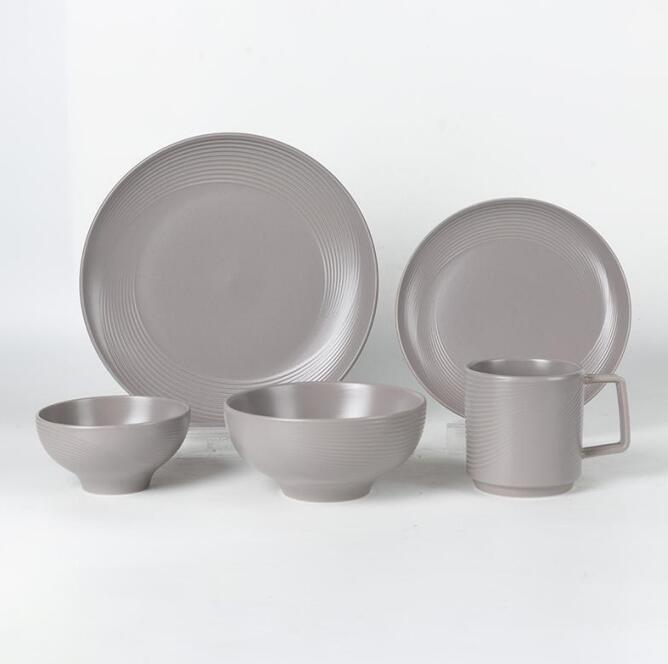
Care Tips
- Go easy with metal utensils. Avoid aggressive cutting on the plate surface.
- Pad dark glazed pieces when stacking. Soft cloth or paper towels prevent rub marks.
- Avoid extreme temperature swings. Don’t go freezer-to-oven or oven-to-cold-water.
- Leave space in the dishwasher. Prevents rattling and micro-chips.
Where Gibson Elite Is Heading
Recent trends from new releases:
- More dinner bowls. The “one-bowl meal” lifestyle is winning.
- Softer, neutral colors. Cream, gray, sand tones. Less saturated blues and greens.
- Stoneware and bone china running parallel. Different needs, different lines.
Final Take
Gibson Elite is a solid “looks good, works fine, won’t break the bank” solution. Think of it as a 3–5 year kitchen upgrade. Not a forever heirloom.
Custom Solutions Available
Our technical experts are always ready to assist you in finding the perfect customized solution for your dinnerware needs.