How Middle Eastern Ceramic Traditions Influence Today’s Tableware Manufacturer Quality Standards
Opening: Life Philosophy in a Bowl
Have you ever thought what life lessons a 14th-century Persian bowl could teach us?
A few days ago on Reddit I saw a picture. A ceramic bowl made by an Iranian craftsman for the Chinese market. Inscribed in Persian was this sentence: “As long as the soup is good, if conversation at the gathering is unpleasant, then remain silent.” Netizens all sighed. This is basically the 14th-century version of “shut up and eat.”
Interestingly, behind this seemingly simple phrase lies deep wisdom of entire Middle Eastern ceramic culture. Even more surprising: 700 years later today, the troubles we face choosing dinnerware are almost identical to what craftsmen considered back then.
What Netizens Are Discussing: Reddit’s Ceramic “Archaeology Fever”
In the ArtefactPorn subreddit, a photo of an Iranian ceramic bowl triggered over 1500 upvotes and heated discussion. What impressed me: netizen supershinythings mentioned: “From my recollection, cobalt blue glaze used for pottery originates from various Middle Eastern cultures. It vaguely resembles lapis lazuli pigment. Lapis lazuli is very expensive. So copper or cobalt-based glazes would be nice additions for pottery.”
This viewpoint immediately enlightened me. Turns out those exquisite blue-and-white porcelains we see today originally got their blue inspiration from the Middle East. Even more remarkable: netizen 3_below added: “That blue is Mesopotamian cobalt. This cobalt’s high quality produced bright blues unattainable in cobalt found in China.”
No wonder Chinese blue-and-white porcelain fascinates the whole world. Behind it lies such a cross-cultural technical exchange history.
Ancient Craft’s Modern Confusion: Quality or Appearance?
When I deeply studied Middle Eastern ceramic craftsmanship, I found an interesting phenomenon. İznik Ware, the 16th-17th century Turkish pottery representative, back then faced the same multiple choice we face today: pursue technical perfection or cater to market demand?
From materials I can see early İznik pottery was deeply influenced by Chinese Ming dynasty blue-and-white porcelain and Persian pottery. Craftsmen used “soft, sandy grayish-white clay covered with usually white thin slip.” By mid-16th century they began expanding color range. From blue-white developing to include turquoise, several green tones, purple and black.
But here’s the problem: To cater to broader market demand, craft complexity increased. But quality actually declined starting in the 17th century. Manufacturing stopped by 1800.
This reminds me of similar dilemmas modern tableware manufacturers face. In Reddit’s BuyItForLife community, user inkandfables shared their dinnerware selection struggle: “I have a set of black-and-white Corelle stoneware. Nearly unbreakable. They’re good. But aesthetically not what I want.”
See? Even centuries later, we still struggle with the same question: practicality vs aesthetics.
East-West Technical Exchange: A Millennia-Long “Globalization”
What moved me most was that description of China-Iran cultural exchange. Netizen Party_Judgment5780 explained in detail: “Iran and China have a history of cultural, political and economic exchange dating back at least to 200 BCE. Possibly earlier. Silk, ceramics, glassware and spices all exchanged.”
Isn’t this the ancient version of “globalization”?
Imagine: A Persian craftsman. Holding cobalt from Mesopotamia. Learning Chinese porcelain-making techniques. Making pottery for the Chinese market. Inscribing Persian proverbs full of life wisdom on it. This cross-cultural creation method would absolutely become viral on today’s social media.
Netizen hazpoloin sighed: “I love these historical artifacts showing cross-cultural influences. My favorite is discovering three sets of identical pattern porcelain at the Metropolitan Museum. From China, Britain and Japan respectively. Each with their own unique style.”
Indeed, the beauty of this cultural fusion lies in this: It’s not simple copy-paste. Rather absorbing others’ essence while maintaining your own characteristics.
Modern People’s Dinnerware Anxiety: What Are We Actually Pursuing?
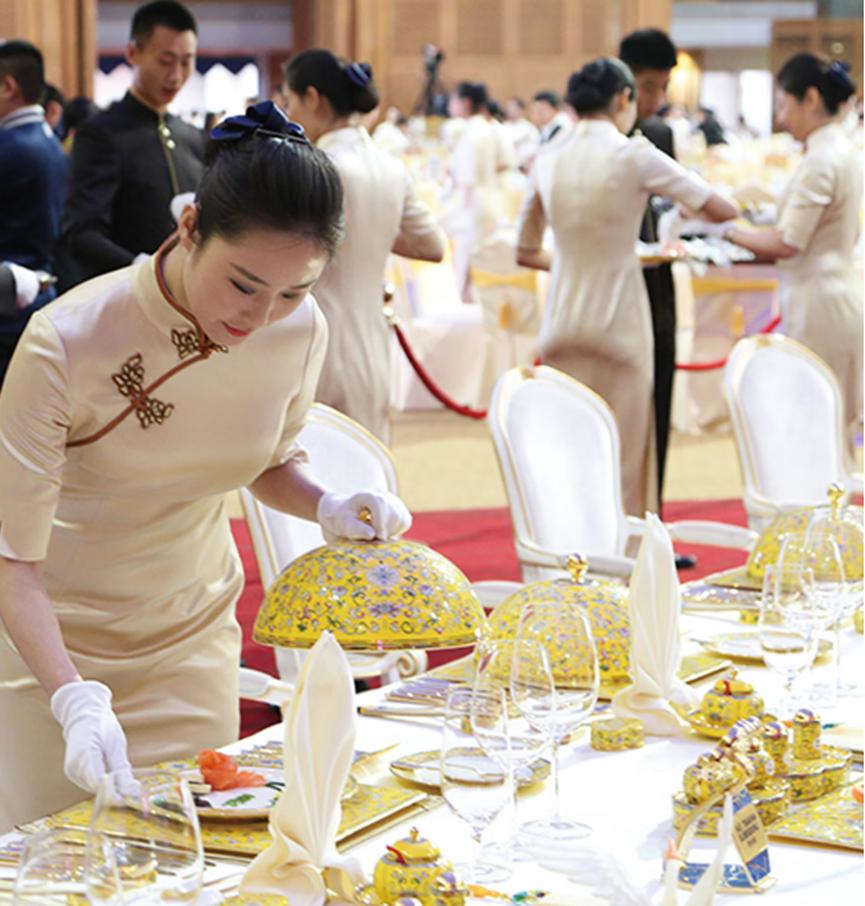
Back to modern times, I found a very interesting phenomenon. In Reddit discussions, people’s dinnerware needs become increasingly complex. Must be durable (“buy for lifetime use”). Must look good. Must fit modern lifestyle (dishwasher safe, microwave suitable).
User Chthulu_’s comment on Fiestaware impressed me deeply: “I have secondhand Fiestaware. About 25 years old. I personally used it for 6 years. Not a single scratch on it. Absolutely high quality and durable. But honestly, I just don’t like the feeling. Everything is extremely thick and clumsy. Drinking from the mug feels like swallowing ceramics. Just not elegant enough. Reminds me of children’s toys or something.”
This comment really struck a chord with me. We want more than just function. We want that indescribable “feels right” feeling.
Modern Dilemma of Craft Inheritance
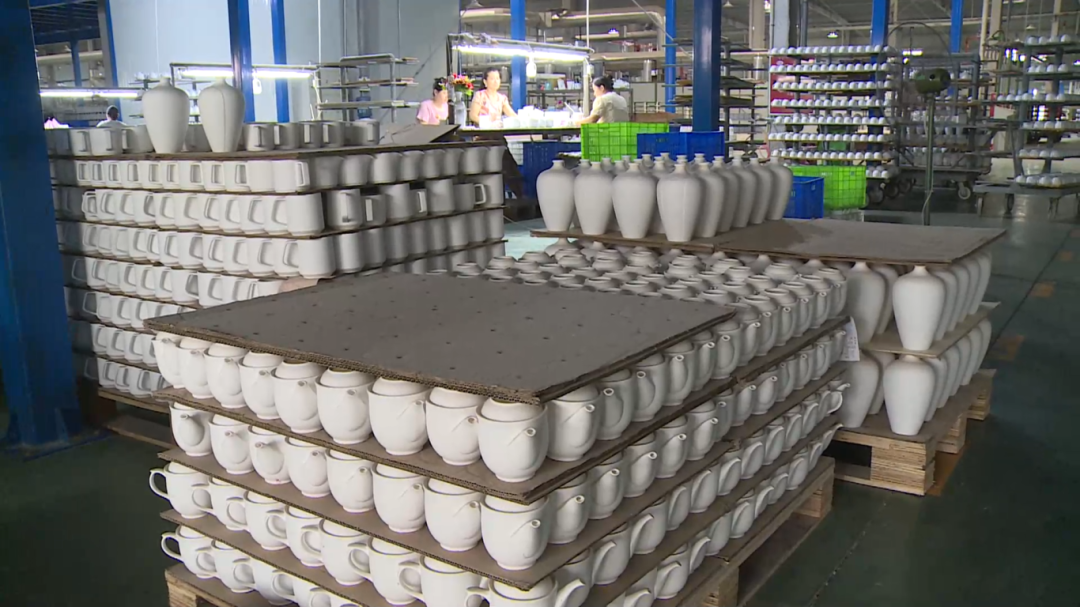
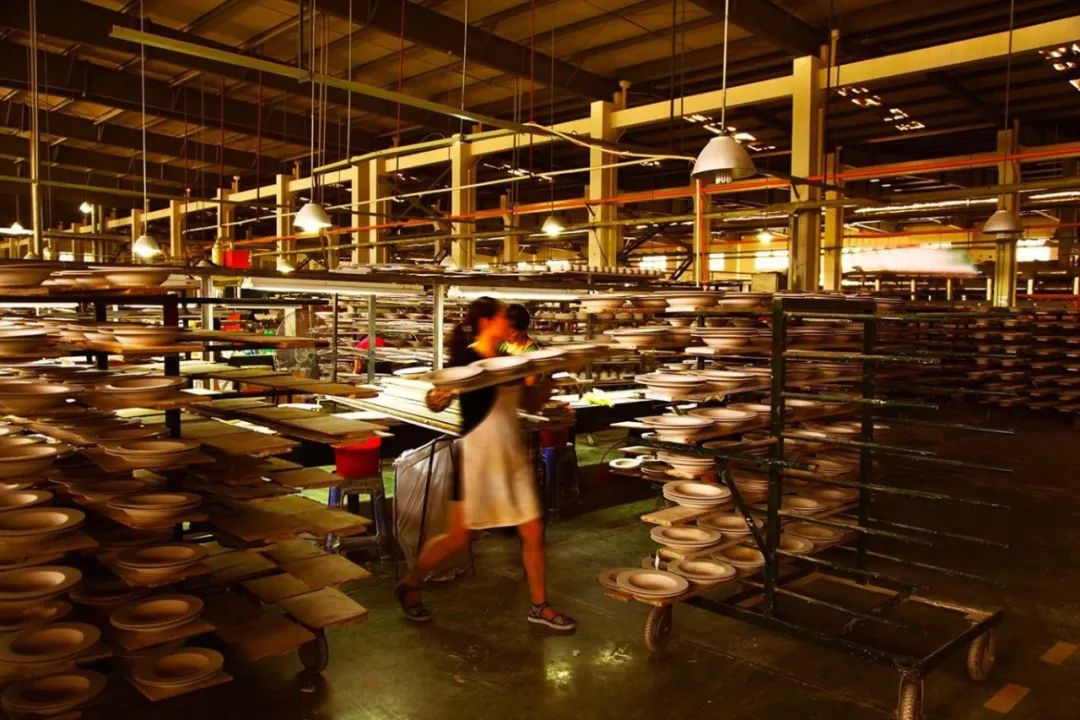
Through deep research, I found modern ceramic manufacturing faces a dilemma. On one hand, consumer quality requirements grow higher. On the other hand, the balance between mass production and handcrafting becomes increasingly difficult.
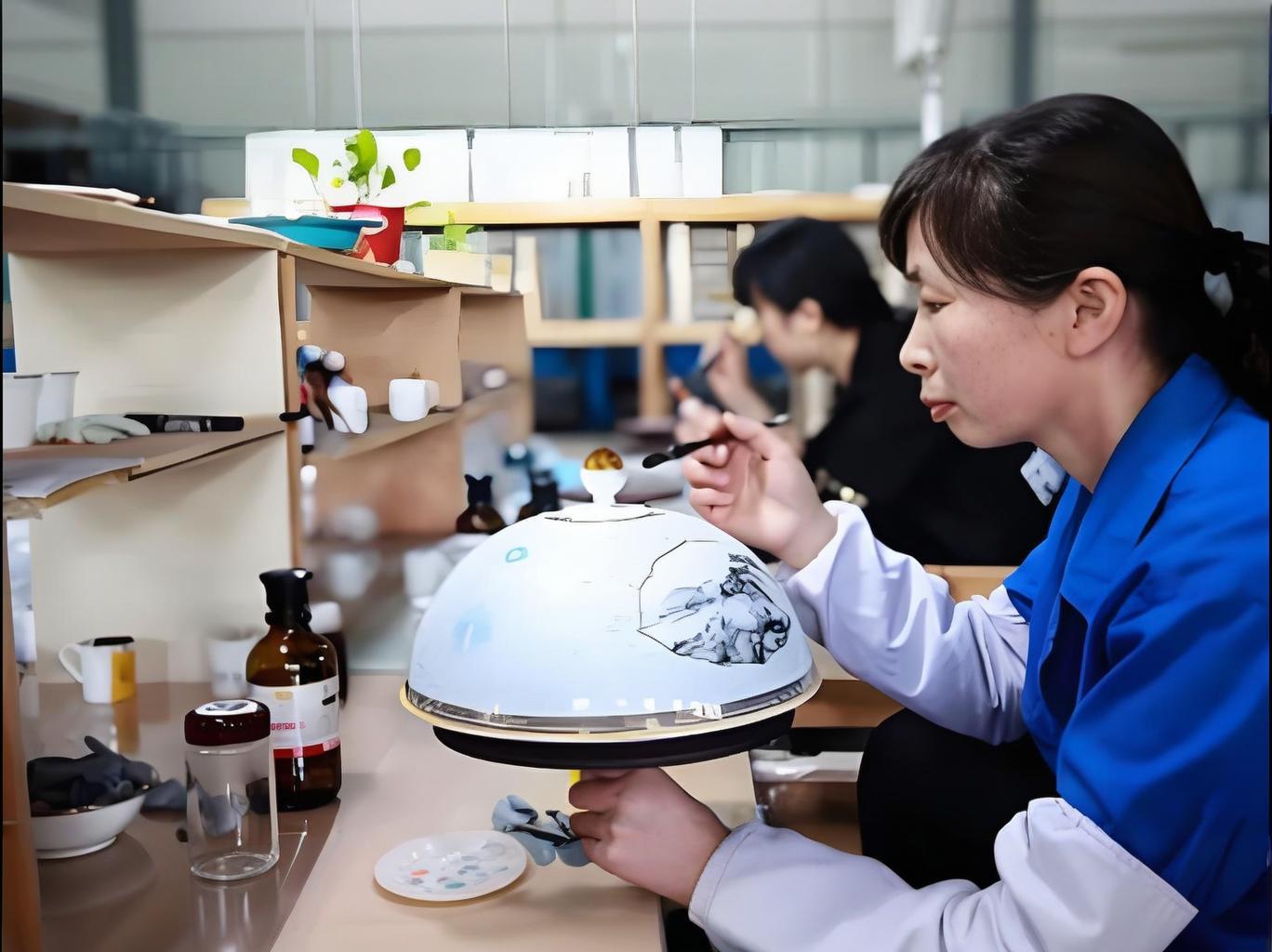
Like those ancient İznik pottery pieces, when craft begins mass production, it often loses some original essence. Modern tableware manufacturers are also thinking: How to maintain traditional craft aesthetics while meeting modern life’s practical needs?
Conclusion: A Bowl Carries More Than Just Food
Writing to here, I suddenly understood that Persian proverb’s deep meaning. “As long as the soup is good, if conversation is unpleasant, then remain silent.” This isn’t just teaching us table manners. More like saying: Some beauties deserve our quiet appreciation.
From 14th-century Persian craftsmen to modern dinnerware manufacturers. From Reddit netizens’ heated discussions to bowls we use daily. This thread tells us: Humanity’s pursuit of beauty. Persistence in quality. Desire for cultural exchange. Never changed.
Perhaps next time you hold your bowl, you can think about those millennia-spanning stories behind it. After all, every carefully crafted piece of dinnerware carries craftsmen’s dedication. Cultural inheritance. And our yearning for beautiful life.
That ancient Persian wisdom still applies: If dinnerware is beautiful enough. Food is delicious enough. Other debates can wait. Focus on enjoying present beauty. This is perhaps the life philosophy ceramic art wants to tell us.
Custom Solutions Available
Our technical experts are always ready to assist you in finding the perfect customized solution for your dinnerware needs.