Acopa Plates Reviews: Tempting Prices, But Hidden Risks You Must Know
Acopa’s Market Position and Core Contradiction
Acopa dominates North American food service channels. You’ll find it everywhere on B2B platforms like WebstaurantStore. Their targets? Restaurants, hotels, catering companies. Not home users.
The brand hammers three points: affordable pricing, diverse styles, high-turnover durability.
But here’s the contradiction:
The upside:
- Cheaper than legacy brands like Oneida and Libbey tableware lines
- Massive style variety—classic white porcelain, heavy stoneware, colored reactive glaze, glass chargers
- Handles daily restaurant volume just fine
The downside:
- Some lines get slammed for poor impact resistance and microwave thermal shock
- Products labeled “microwave safe” sometimes crack or snap in half during use
- Certain stoneware plates chip easily at the edges
Most “value pick” articles skip the crucial questions:
- Can these survive fast-casual environments with constant stacking and cart collisions?
- What happens after years of dishwasher cycles and microwave reheating?
- How much do durability differences vary across stoneware, porcelain, and glass lines?
These answers determine if Acopa fits your restaurant or home.
Praise vs. Problems
Let’s break down typical product lines and review patterns.
1. Acopa Bright White Coupe Stoneware Plates
Take the 10.5″ and 12″ bright white coupe stoneware plates on WebstaurantStore. Reviews split hard.
Positive feedback centers on:
- Appearance and stacking:
- Food service pros say “gorgeous plates, bright white, modern look” and “stack perfectly, easy back-of-house storage”
- Perfect for contemporary or new American restaurants
- Coupe plates (no raised rim) give plating freedom—mains, pasta, one-plate salads all work
- Cleaning and daily use:
- Many restaurants report “easy to wash, doesn’t hold grease”
- Handles oily dishes and sauces without residue buildup
- High-turnover kitchens say they “look more premium than similar-priced plates”
Key usage insight:
- Users emphasize these plates “wash well, stack well” and streamline service flow during rush periods (from multiple WebstaurantStore reviews of 10.5″ and 12″ bright white coupe stoneware).
But the complaints hit hard:
- Chipping issues:
- One user stated directly: “Great plates—wash well, stack well, only problem is they chip very easily. That’s a huge issue in food service because chips can fall into food.”
- This appears repeatedly in reviews. Not isolated incidents. The stoneware’s glaze-to-body combo shows weak impact resistance.
- Microwave “safety” controversy:
- Some product pages claim “microwave safe,” but buyers report “these plates are absolutely NOT microwave safe. Recently bought a batch and three have already cracked in half in the microwave. Totally don’t recommend.”
- WebstaurantStore customer service replies “sorry for defective product, will follow up” but doesn’t publicly remove the “microwaveable” label or address it beyond individual cases. This raises questions about batch consistency and quality control standards.
Critical takeaway:
- For kitchens that only serve, never microwave, most reviews still rate these “good-looking, functional”
- Once you involve microwave reheating (front-of-house warming, staff meals), you enter the danger zone. Thermal shock cracks and breaks dominate one-star reviews.
2. Acopa Nova / Pangea Design-Forward Lines
Acopa also offers specialty plating series like Nova asymmetric stoneware and Pangea colored reactive glaze porcelain.
Take the Nova 7 1/8″ x 6 1/2″ Asymmetric Stoneware Plate:
- User comments mention:
- “Much smaller than the 10-inch asymmetric version, perfect for appetizers/snacks”
- “Relatively thick plate with good weight, great for appetizer presentation with design flair”
- Controversy here focuses less on durability, more on size expectations vs. reality:
- Some find it “smaller and thicker than photos suggest” but ideal for tapas, cold starters, small desserts
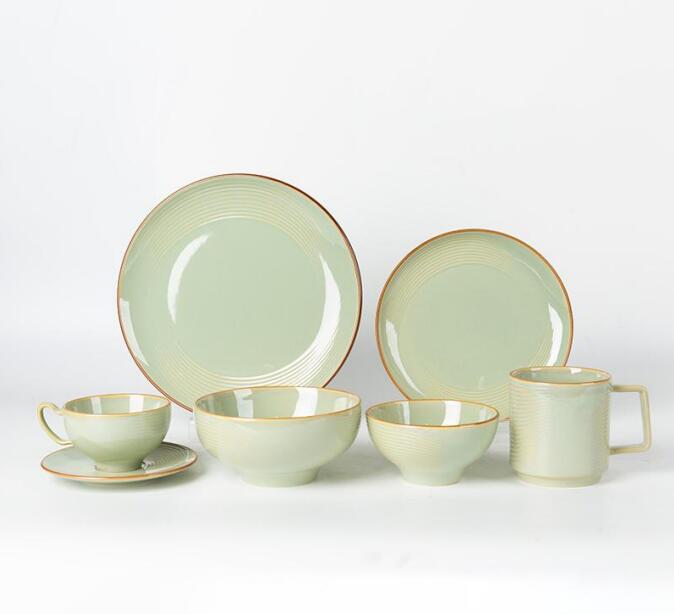
For the Pangea 10.5″ Matte Reactive Glaze Porcelain Plate:
- Official claims:
- Material: Porcelain body, emphasizes “long-lasting use”
- Finish: Matte reactive glaze (every plate has unique texture variation)
- Style: Targets “natural, rustic” visual appeal
User consensus on these design plates:
- “Visual impact far exceeds the price, perfect for Instagram-worthy, natural, or farmhouse-style restaurants”
- Best used as statement pieces for signature dishes, not full-set replacements
3. Glass Charger Plate Series
Example: Acopa 13″ Silver Rim Glass Charger Plate
- Official highlights:
- Thick glass construction for high-frequency event use
- Silver rim design creates formal banquet feel
- Primary function: sits under dinner plates for decoration and table protection, not direct food contact
- User feedback from event and wedding rental companies skews positive:
- “Substantial weight, looks way more expensive than it is”
- Easy to clean, prevents spills/wine stains from hitting tablecloths directly, reduces linen costs
Since chargers don’t go in microwaves or take direct impact, chipping and thermal cracking complaints are minimal. Stability is much higher.
✅ Highlight Reel: Top 2–3 User-Loved Details
- Price-to-appearance ratio is incredibly attractive
Many restaurant owners and chefs say Acopa plates “look a tier above their actual price. Bright white coupe creates boutique hotel vibes. Pangea/Nova lines bring designer aesthetics down to accessible budgets. - Kitchen-friendly: easy stacking, easy cleaning
Reviews consistently praise “washes easily, stacks neatly”—critical for back-of-house flow and storage efficiency in fast-paced environments. - Complete style lines for unified aesthetics
From main dinner plates and salad plates to small bite plates, share plates, and matching glass chargers, Acopa covers entire tablescapes. Perfect for new openings or chain rollouts needing fast inventory.
❌ Deal-Breaker Warnings: Overlooked Fatal Flaws
- Some stoneware plates chip easily—and it’s structural
Reviews repeatedly mention “loved it initially, but edges started chipping quickly” and “major problem in commercial settings”. This isn’t random bad luck. It’s formula, thickness, and glaze combination resulting in limited impact resistance.
For restaurants with frequent plate-on-plate contact, cart collisions, dense stacking, higher breakage rates inflate long-term costs. - “Microwave safe” label doesn’t match real-world microwave performance
Multiple negative reviews cite “plates cracking or breaking completely in half during microwave heating”. This is a red flag for any frequent microwave scenario.
Key questions remain:
- Is this only certain batches/production lines with quality variance?
- Should there be usage warnings like “avoid prolonged high-power microwaving”?
Given current information opacity, purchasing strategy must assume “avoid microwave use” as the conservative approach.
- Heavy weight creates carrying strain and cleaning burden
Some series (especially stoneware and thick asymmetric plates) weigh noticeably more than same-size porcelain. For operations requiring frequent single-hand multi-plate carrying or older service staff, long-term ergonomic burden matters.
Materials, Craftsmanship & Cost Logic
1. Stoneware vs. Porcelain: Acopa’s Material Differences
Acopa “plates” actually span three material lines:
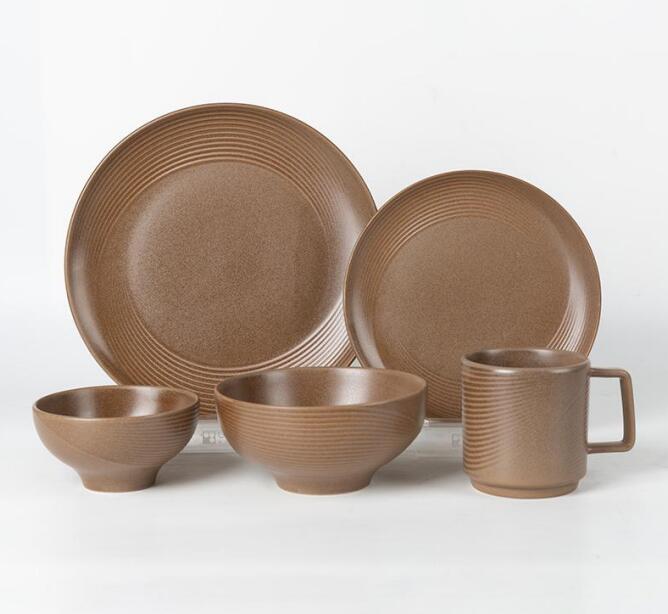
- Stoneware plates (like bright white coupe, Nova asymmetric)
- Higher firing temperature, thicker body, more “heft and substance”
- Visually suits “rustic, handcrafted” aesthetics
- But poor formula/glaze control leads to chipping under frequent impact, especially cups, saucers, thin-rim plates
- Porcelain plates (like Pangea series)
- Finer, denser body. Good firing shrinkage control means better stain and liquid resistance
- Ideal for refined reactive glaze and matte finishes
- With proper thickness control, porcelain typically weighs less than stoneware
- Glass charger plates
- Essentially tabletop decoration/protection pieces, not for baking or microwaving
- Thick glass handles scratches and pressure well but avoid extreme temperature shifts and hard impacts
For chipping and thermal cracking:
- Chipping depends on edge design + body/glaze hardness-toughness balance
- Thermal cracking relates to internal stress (uneven thickness), water absorption, thermal expansion coefficient
Mid-to-low-priced commercial brands, including Acopa, prioritize “visual heft + cost control” over extreme durability.
2. Craft Details: Coupe, Reactive Glaze, Asymmetric Shapes
- Coupe plates: Larger surface, no raised rim—great for modern plating. But exposed edges become first impact zones, more prone to chipping without reinforced rims or thick edges.
- Reactive glaze: Every plate has unique texture and color—premium visual effect. However:
- Glaze thickness may vary or show color inconsistencies
- Cleaning performance and metal scratch visibility differ based on gloss/matte finish
For Pangea-type series, test grease retention and utensil marks on samples before bulk ordering. - Asymmetric/heavy shapes: High visual memorability beats standard round plates. But:
- Takes up dishwasher space, hard to stack efficiently
- Server single-hand carrying weight increases
Best for signature dishes in limited quantities, not full-room deployment.
3. Cost Structure: Why Acopa Sells This Cheap
Industry insight and channel data suggest Acopa achieves lower pricing through:
- B2B channel focus with high-volume sales to restaurants, hotels, caterers—strong scale economics
- Primary use of mid-tier materials and proven bulk processes (standard white glaze, thicker stoneware bodies), not pursuing ultra-light or ultra-strong builds
- Design strategy of generic molds + selective unique series, reducing mold investment and inventory risk
In other words, Acopa’s logic:
“Within acceptable quality control, use lowest cost to cover maximum styles and scenarios, allowing some breakage and individual quality variance.”
This requires buyers to practice “breakage expectation management” instead of treating these as zero-loss luxury hotel-grade tableware.
Who Should Buy, Who Should Avoid?
1. Strong Purchase Recommendations
- New openings with limited budgets wanting elevated table aesthetics without looking cheap
- Especially cafes, casual dining, health food, brunch spots, small bistros
- Bright white coupe or Pangea series quickly elevate visual quality
- Event companies, wedding planners, tabletop rental services
- Glass chargers, silver/gold rim plates perfect for bulk purchasing and repeated rentals
- Tablecloth protection and visual impact far exceed cost investment
- Venues treating plates as “visual tools” not “durable assets”
- Instagram-focused pop-ups, chef-driven restaurants with frequent menu changes
- Accept annual “natural attrition + restocking” cycles, using Acopa for flexible aesthetic combinations
2. Not Recommended / Use Caution
- Restaurants or cafeterias heavily reliant on microwave reheating
- Real negative reviews about “cracking/breaking plates in microwaves” prove thermal shock risks exist
- If your workflow requires “microwave food on plate” as core function, prioritize brands/series specifically labeled and field-tested for high heat resistance
- Operations with zero chipping tolerance
- Fine dining, Japanese kaiseki, upscale experiences demanding visual perfection
- High chipping rates drag down overall experience while frequent replacement inflates long-term costs
- Tight staffing, older service team, want to minimize carrying strain
- Heavy stoneware plates burden wrists and elbows during extended shifts
- These environments better suit lightweight, high-strength professional porcelain brands
Avoidance Tips & Maintenance Guidelines
1. Purchase Pitfall Checklist
- Clarify usage:
- Serve only, no microwave → Consider Acopa stoneware/porcelain
- Frequent microwave use → Avoid thermal crack-prone series or switch brands/materials entirely (like reinforced porcelain)
- Know the series and material:
- Bright white coupe mostly stoneware—watch chipping rates
- Pangea mostly porcelain—slightly better scratch and stain resistance
- Glass chargers decoration/protection only—never microwave/oven
- Test small batches first:
- For new series (especially reactive glaze, asymmetric plates), buy one case for 1–2 month trial, focusing on:
- Chipping patterns
- Scratch and stain retention
- Microwave & dishwasher compatibility
2. Usage & Care Essentials
- Reduce impact and hard-edge contact:
- Add soft pads or silicone mats at pass stations and cart corners during stacking
- Avoid direct plate-edge contact with metal racks and steel counters
- Microwave strategy:
- If microwave unavoidable, use medium-low power + shorter time + food-first heating, avoid empty-plate high-temp runs
- Immediately retire plates showing crack precursors (edge hairlines, dull bottom sound)
- Washing and storage:
- Use dedicated dish detergent, avoid prolonged strong acid/alkali soaking
- Stack in batches, control height within safe range, prevent bottom layer from bearing excessive weight
Trend Analysis
Recent product line expansion shows Acopa evolving from “cheap commercial goods” toward “high-value design tableware”:
- New series increasingly feature reactive glaze, matte finishes, natural color palettes—clearly targeting “Instagram restaurants” and “casual-luxe dining”
- Material descriptions more frequently emphasize “porcelain body for long-lasting use” and similar durability claims, showing brand awareness that user expectations for longevity are rising
Professional buyers can anticipate Acopa improvements in:
- Clearer differentiation between “microwave-safe” vs. “not microwave-safe” series and batches
- Greater investment in scratch-resistant glazes and chip-resistant edge design for high-frequency items (dinner plates, salad plates)
Quick Conclusion
- If you prioritize coordinated aesthetics, table presentation, budget control and can accept some breakage while mostly avoiding microwave use, Acopa deserves consideration as a “value plate brand”.
- If you demand extreme durability, microwave confidence, minimal chipping, treat Acopa as a “transitional, stylistic” solution rather than your ultimate workhorse tableware.
If you have any questions or need to Customized tableware service from GC Porcelain, please contact our Email:info@gcporcelain.com for the most thoughtful support!