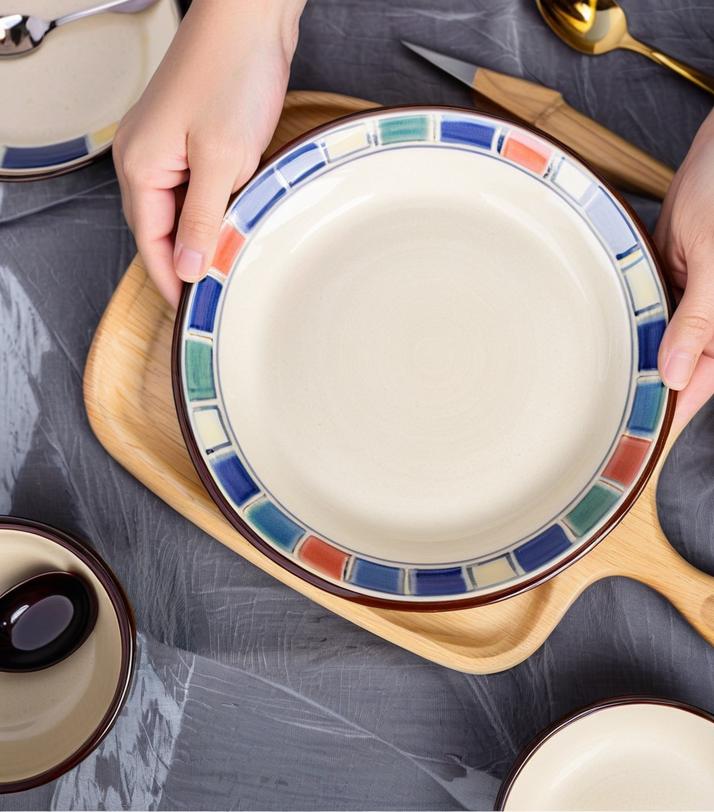
Dinnerware Embossing: When Function Meets Beauty
Ever had this moment? You’re at a nice restaurant. The server brings your food. But you can’t stop staring at the plate itself. Those subtle patterns catch the light just right. The raised texture feels different under your fingertips. You trace the edge without thinking. Something about it just feels special.
That’s the magic of dinnerware embossing.
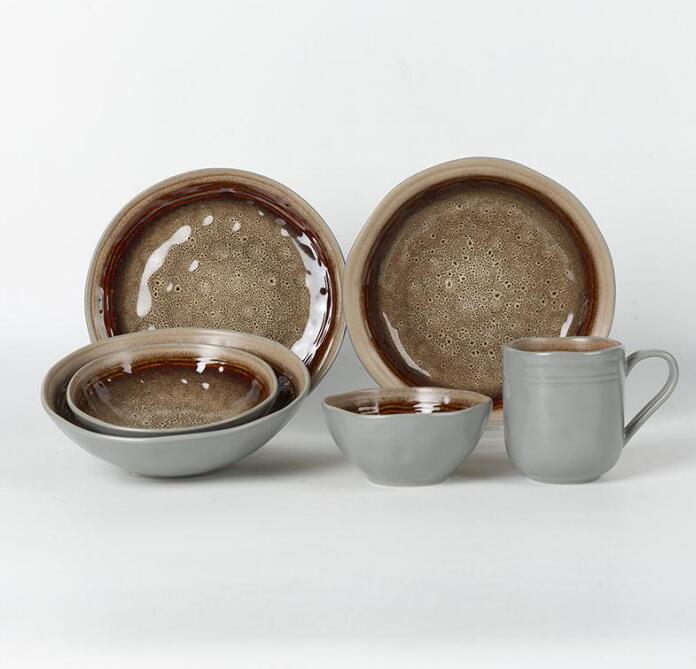
Why Put Designs on Plates Anyway?
I saw a great question on Quora once. “Why do fancy plates always have embossing?” The top answer nailed it. “Because your eyes taste the food before your stomach does.”
That hit hard. We spend money on “designer” plates. Really, we’re buying the ritual. But here’s the thing – ritual isn’t just for photos. It actually changes how food tastes to us.
A Reddit user on r/Cooking shared something wild. Same pasta recipe. Plain white plate versus embossed bone china. His family praised the second one three times. “This tastes amazing tonight!” He admitted the truth. The recipe didn’t change. The plate added a filter.
Three Types of Embossing
A tableware manufacturer on Quora broke down the methods. Three main types exist.
1. Pressed Embossing
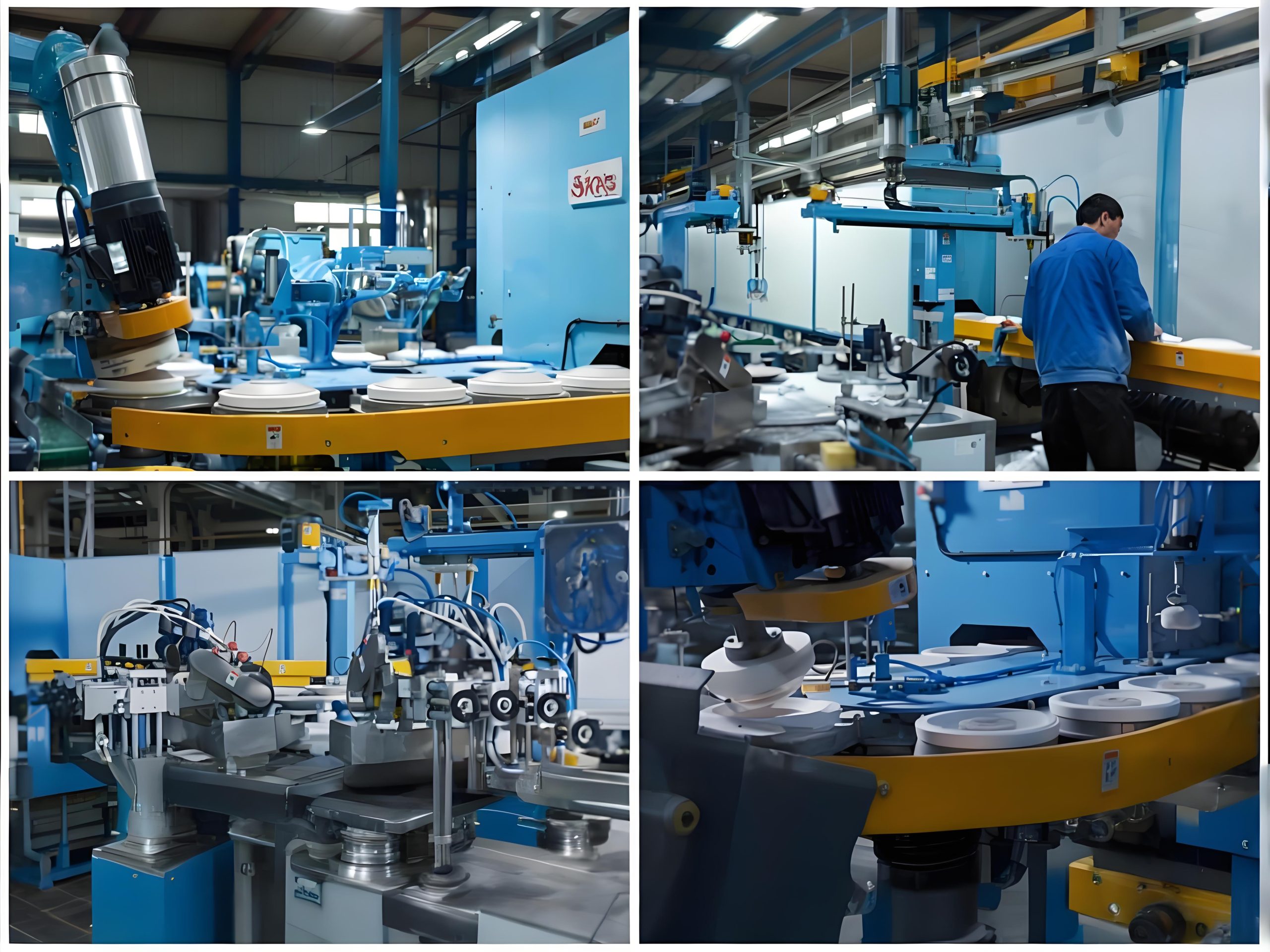
The most common kind. Molds press patterns into half-dry clay. IKEA and Muji plates use this method. The advantage? It’s affordable. But depth is limited. Like phone case texture. You feel it. But it won’t blow your mind.
2. Carved Relief
The premium route. Tools carve designs into finished pieces. Some Japanese pottery uses this technique. Each piece varies slightly. Someone posted these bowls on Reddit. Comments exploded. “This is art. How can you put ramen in it?”
3. Decal Embossing
A middle ground between the two. Special decal paper creates embossed effects. Then it transfers onto dishes. European brands love this trick. Complex baroque patterns become possible. Costs stay lower than pure handwork.
Details That Hook You In
On Reddit’s r/BuyItForLife, someone asked a question. “What dinnerware have you kept for ten years?”
Top answer mentioned Wedgwood embossed plates. Not because of the brand name. But because of “hidden embossing” on the edges. Only certain light angles reveal the full pattern. Every meal becomes a treasure hunt.
This reminds me of something interesting. High-end tableware manufacturers hide “tactile codes” in designs. Concentric circles on the back aren’t decorative. They add friction. Stacked plates won’t slide. Function and beauty aren’t either-or choices.
A restaurant owner on Quora confessed something. “We switched to embossed dinnerware. Customer photo rates jumped 40%.” Human nature works like that. We see texture. We want to touch it. Photograph it. Share it.
Counter-Intuitive Truths About Embossing
You might think complex embossing equals luxury. Wrong.
A Reddit post got brutally honest. “Bought ‘palace style’ embossed plates. Wanted to smash them while washing.” Comments poured in with sympathy. Grooves trap gunk. Even steel wool can’t clean them.
Smart tableware manufacturers know better. Good embossing shouldn’t be 20% harder to clean than smooth plates. How do they manage?
- Avoid 90-degree groove angles: Curved transitions let water flow naturally
- Keep depth at 1-2mm: Creates dimension without becoming dirt traps
- Glazing matters most: High-temperature firing creates glass protection. Oil washes right off.
I used to think embossed plates were all show. Then I learned something. The problem isn’t embossing itself. It’s whether designers considered the dishwasher’s perspective.
Picking Embossed Dinnerware Without Regrets
Someone asked on Quora. “How to choose embossed dinnerware that doesn’t look tacky?”
An interior designer gave practical advice.
Rule One: Pattern density ≠ sophistication
Flowers everywhere look chaotic. White space matters more than you’d think. Top brands put embossing on edges or centers only. The rest stays clean.
Rule Two: Touch > sight
Can you only see the pattern in certain light? But feel it immediately when you touch? Congratulations. That’s good design. Visual-only embossing rarely stands the test of time.
Rule Three: Let food lead
Sounds mystical but makes sense. Japanese wave-pattern plates complement sashimi lines. Western wheat-embossed plates harmonize with bread baskets. Good dinnerware gives food the spotlight. It doesn’t steal the show.
Some Less Beautiful Truths
Reddit user asked something. “Why do $2 plates have embossing while luxury brands cost hundreds?”
A ceramic factory worker spilled industry secrets.
- Cheap embossing: Single machine molding. Repetitive patterns. Rough edges. Thin glaze that yellows over time.
- Premium embossing: Three firing rounds possible. Hand-finished details. Glaze thickness doubles or triples.
But here’s the thing. Cheap doesn’t mean worthless. Want to try embossed dinnerware? No need to buy full bone china sets immediately. But understand something. Plates that shine after ten years? Real money went into those.
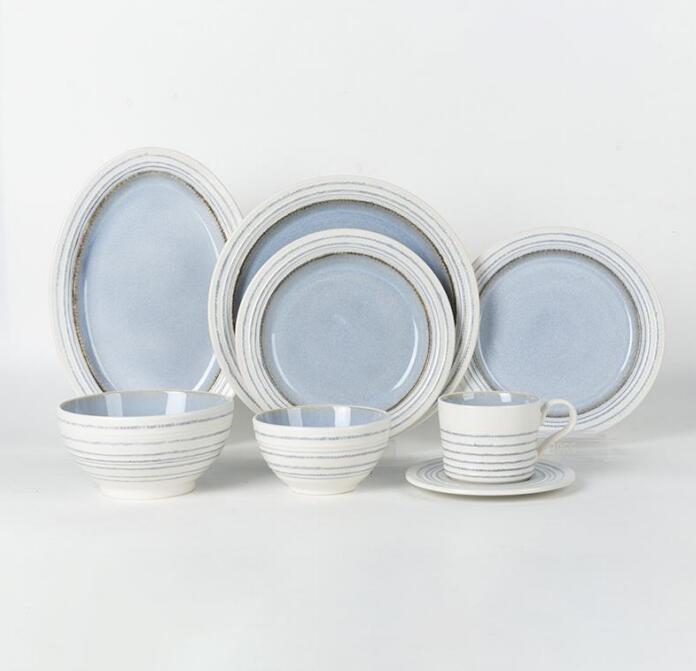
Dinnerware embossing reveals something about life attitudes.
Some people think “it’s just a plate for food.” Others carefully select textures. Match tablecloths. Consider how light hits embossed surfaces.
Neither approach is wrong. Just different choices.
But when you start caring about these details? Congratulations. You’re not just “eating” anymore. You’re “dining.” Those subtle embossed textures create that difference.
The scary part? We all know what matters. The food on the plate. Yet why do we still pause? Why do we look twice at the plate itself?
If you have any questions or need to custom dinnerware service, please contact our Email:info@gcporcelain.com for the most thoughtful support!