Royal Norfolk Dinnerware Deep Dive: Vintage Craft or Modern Alternative?
Market Context and Core Conflict
Royal Norfolk isn’t your typical mass-market brand. It’s a mid-to-high-end line famous for vintage ceramics and stoneware craftsmanship.
You’ll find these plates mostly on Etsy and specialty sites like Replacements. Many patterns are discontinued. Think Santa Fe Orange or the Greenbrier series.
Mainstream coverage focuses on Corelle or Threshold. They miss Royal Norfolk’s collector appeal entirely.
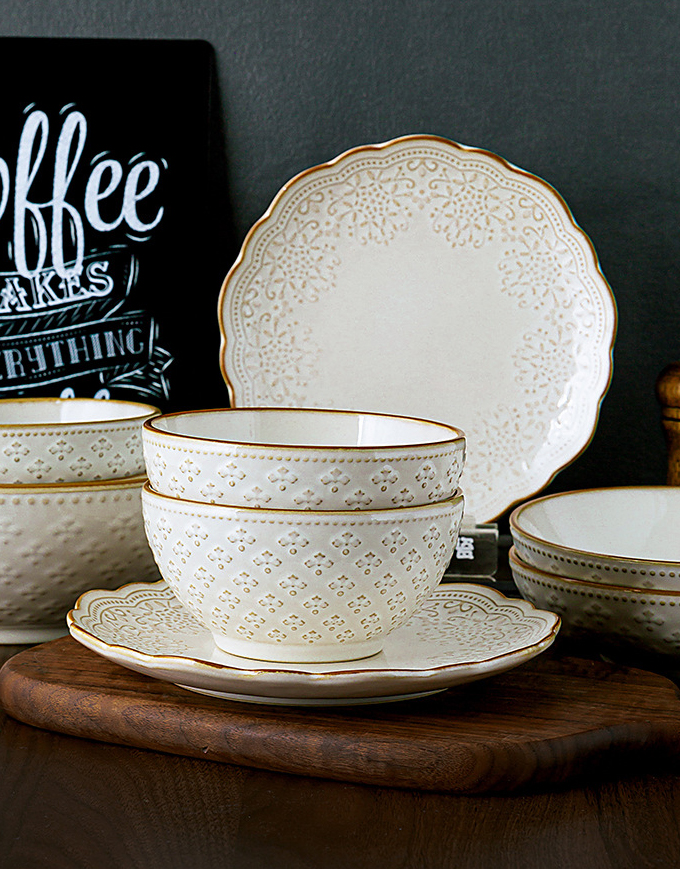
These plates come from Greenbrier International Inc. They’re known for paisley and floral designs in blue, green, and ochre tones. The 10-inch diameter fits American dinner settings perfectly.
But there’s tension here. New generic plates flood the market. Walmart’s black stoneware is everywhere. Meanwhile, secondhand quality varies wildly.
The long-term value? Scarcity drives it.
Santa Fe Orange pieces discontinued between 2014-2023 now fetch $50+ per set on Etsy. Walmart’s Classic Stoneware black plates? A few bucks each. Durable, sure. But zero personality.
The core conflict: Collectors chase vintage character. Practical buyers grab modern stoneware. Modern wins on microwave and dishwasher safety. Vintage wins on craftsmanship and soul.
User Feedback: What Real Buyers Actually Say
NuVintique’s Etsy shop sells Royal Norfolk Greenbrier six-piece sets. They’ve earned 202 five-star reviews. Buyers call them “rare finds” and “perfect wedding gifts.”
Walmart and Target stoneware reviews? All about durability and function.
Cross-referencing Amazon, eBay, and Etsy buyer photos reveals a clear split. Vintage lovers obsess over patterns. Practical users worry about secondhand risks.
✅ Highlights
- Stunning, lasting patterns: One buyer said, “The blue-green-ochre paisley on white looks like art. Way better than boring solid colors.” Another added, “Used these for my daughter’s August wedding. Guests thought they were high-end.”
- Fast shipping, great packaging: “Items arrived perfect and quick. Exactly as described.” Orlando sellers show 24-hour response rates.
- Perfect sizing: The 10-inch diameter handles American main courses easily. Buyers note, “Bigger than 8-inch salad plates. Great for family dinners.”
❌ Watch Out
- Minor scratches: Sellers admit “no cracks, but some plates have faint scratches—barely visible.” One buyer confirmed, “Up close, you see wear. Not mint condition.”
- No accessories included: Plate stands sold separately. Shipping hits $12.90. Total cost climbs near $63. That’s way more than Walmart singles.
- Color accuracy issues: “Photos don’t match perfectly. Ochre tones look darker in person.” Secondhand condition depends entirely on seller photos. Easy to get burned.
Deep Dive: Materials, Craftsmanship, and Cost Breakdown
Materials: Greenbrier uses ceramic. Walmart’s Classic line uses stoneware.
Ceramic offers beautiful white backgrounds with printed designs. Heat-resistant but fragile. Stoneware delivers matte black modern looks. Scratch-resistant and tough.
Santa Fe Orange features full orange embossed rings without borders. Discontinued pieces appreciate fast.
Craftsmanship: Paisley patterns use traditional transfer printing and kiln firing. Blue-green-ochre colors don’t fade. But secondhand pieces often show crazing—tiny surface cracks.
Cost Comparison
| Type | Pattern/Color | Material | Price Reference | Pros & Cons |
|---|---|---|---|---|
| Greenbrier (Etsy 6-piece) | Blue-green-ochre paisley | Ceramic | $50/set (~$8.30/piece) | Rich patterns, collector value; scratch risk |
| Classic Black (Walmart) | Solid matte black | Stoneware | ~$10/plate | Durable, microwave-safe; generic, shows dust |
| Santa Fe Orange | Full orange embossed | Ceramic | $20+ on Replacements | Rare, appreciating; discontinued, hard to find |
Cross-market context: Royal Norfolk overlaps with Threshold stoneware. But it leans MCM (mid-century modern) vintage. Scarcity drives the premium. Etsy’s 8-piece Paisley sets hit $115—double the price. Target sells singles for $3.
Final Verdict: Who Should Buy?
Strong yes: Vintage collectors, wedding planners, or anyone chasing English country cottage vibes. The Greenbrier set at $50 crushes new plates on value.
Hard pass: Daily heavy users or budget shoppers. Grab Walmart black stoneware instead. It’s safer and cheaper.
Tips to Avoid Problems
- Zoom in on photos. Look for scratches and cracks. Always request real photos from sellers.
- Hand wash ceramic. Skip the microwave—it can crack. Stoneware handles dishwashers fine.
- Store plates flat. Stacking causes scratches.
Trend Forecast
After 2025, discontinued Royal Norfolk will keep climbing as MCM vintage stays hot. Etsy prices could break $70/set.
Stoneware will shift toward sustainable bamboo-fiber blends. But unique patterns remain a niche obsession.
Best time to buy: Holiday sales. Hunt for rare Greenbrier pieces.
If you have any questions or need to custom dinnerware service, please contact our Email:info@gcporcelain.com for the most thoughtful support!