Plating techniques for clam miso soup

Ingredients: bonito broth, clams, miso, etc.

Instructions: Bring the bonito broth to a boil with the miso, then add fresh clams. Once the clams open, remove them immediately to avoid overcooking and toughening the meat.

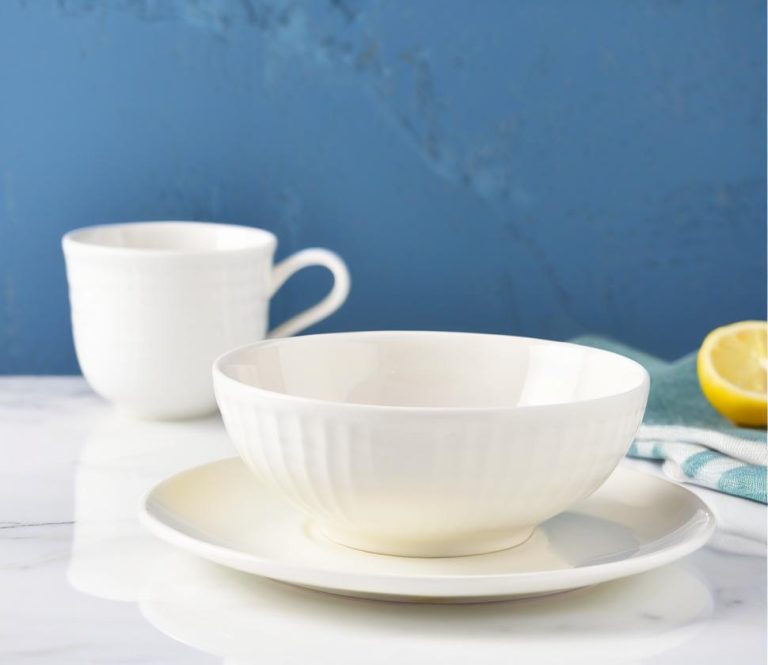
Scene 1: Simple elegance with white tableware

Using plain white soup bowls is a foolproof and effective choice. It highlights the refreshing look of the soup. Opt for larger bowls to allow the ingredients to peek above the surface, enhancing the visual appeal of the dish.
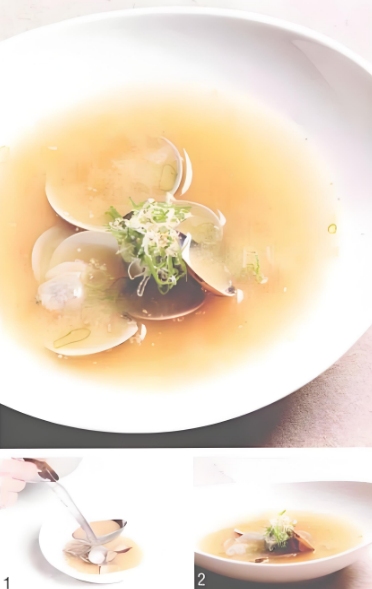
1727072257 1

Plating Method

①Arrange the clams in the center of the soup bowl, stacking them slightly higher than the rim of the bowl. Gently pour in the miso broth, being careful not to disturb the arrangement of the clams. Fill the broth to about 70% of the bowl, leaving a bit of white space around the edge.

②Finely slice the green and white parts of the scallions, and place them in the center of the clams. Finally, sprinkle sesame powder evenly over the soup to enhance its texture, ensuring that the powder is distributed evenly and not concentrated in one area.

Scene 2: Utilizing abstract textures to infuse stylish elements into plating

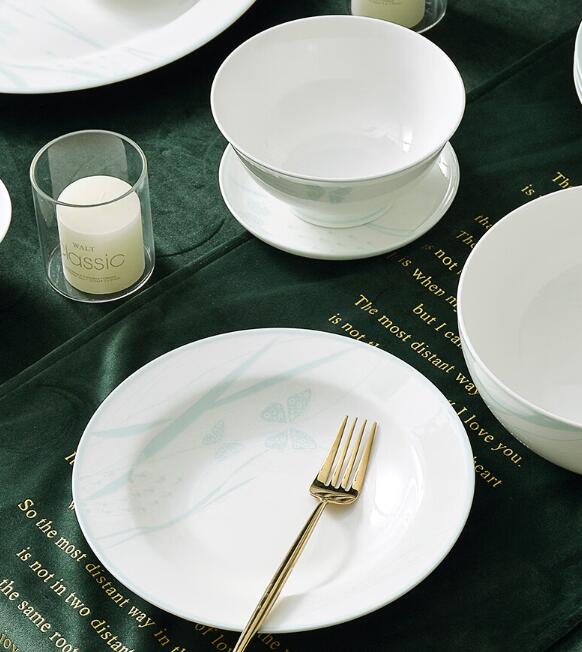
Traditionally, soups are often served in small, deep porcelain bowls, which can make the portions appear smaller. This design uses a larger, transparent bowl with bright blue abstract patterns. This type of dishware, with its bold design, is perfect for adding a modern and stylish touch to the presentation of the dish.
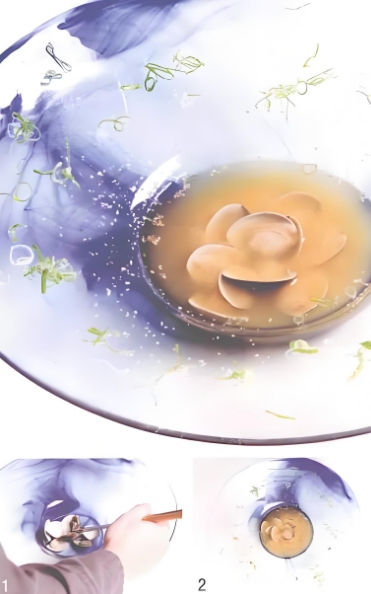
1727072269 2

Plating Method

① Stack the clams in the center of the soup dish, then pour in the miso broth, being careful not to let the broth exceed the shallow part of the dish.

② Evenly sprinkle the chopped green onions around the rim of the dish, guiding the eye to appreciate the beautiful patterns of the plate, and finish by adding a dusting of sesame powder.
Welcome to visit our dinnerware production line factory!

Brand History

  • Founded in 1958
  • Exported to Europe and America Products sold in more than 100 countries and regions worldwide in 1978
  • Listed on the Shanghai Stock Exchange in 2003
  • Awarded Outstanding Enterprise in China Ceramic Industry in 2007
  • Wing Export Certificate of Exemption in 2011
  • Awarded as China Quality and Integrity Enterprise by China Entry-Exit Inspection and Quarantine Association in 2013
  • Banqueting tableware design for a major summit in 2014
  • Awarded the title of China Export Quality and Safety Demonstration Enterprise in 2015
  • Awarded as one of the top 100 enterprises in China’s light industry by the China Light Industry Federation in 2016
  • Designated as a National Industrial Design Center in 2017
  • Established China’s first ceramic enterprise museum in 2018
  • Design banquet porcelain for an important summit held in Beijing in 2019
  • Porcelain tableware for the Shanghai Summit banquet in 2021
  • Selected as a National Intellectual Property Demonstration Enterprise in 2023
  • Awarded the “China Time-Honored Brand” designation in 2024
  • Participated in the China-Sweden 75th Anniversary of Diplomatic Relations Cultural Exchange Exhibition in Sweden in 2025
分割线

Honors and Awards

Frequently Asked Questions

Eating miso soup every day can be generally safe and beneficial for most people, but there are a few factors to consider: Nutritional Benefits: Miso soup is rich in probiotics, vitamins, and minerals. It can support gut health and provide a good source of protein, particularly if made with tofu or seaweed. [Source: Is it okay to eat miso soup every day? – Quora]

Some versions also include shellfish. What is miso stock made of? Most miso stock is dashi, a Japanese broth made from dried fish, kelp, and shiitake mushrooms. Japanese versions of vegan miso stock use dashi that only contains mushrooms and kelp. [Source: Is Miso Soup Vegan? The Ultimate Guide to Choosing Vegan Miso Soup]

The base of miso soup is dashi stock, made with kombu and bonito flakes. Miso paste. Miso, a fermented paste made from a combination of soybeans, sea salt, and rice koji, is added to the dashi to make miso soup. The paste gives the soup a flavor known as umami—savory, with toasty, funky salty-sweet richness.

Related Posts