Williams Sonoma Dinnerware Deep Dive: Beauty, Quality, and Premium—Worth It?
Brand & Market: Why Pay More for a Plate?
Judging by basic function alone, Williams Sonoma plates aren’t cheap at all. They cost significantly more than mass-market brands like IKEA or Target’s house lines. Prices approach or slightly undercut high-end hotel china and designer tableware pieces.
In North American home goods shopping, Williams Sonoma represents an “upgrade lifestyle gateway.” It’s pricier than everyday supermarket brands, that’s for sure. Yet it’s not so expensive that you only use it once a year.
The core conflict lies here:
Some users expect “durable high-end everyday plates”—chip-resistant, dishwasher-safe, and timeless styling. Others view them as “dinner party showpieces”—prioritizing design, color, and atmosphere over price sensitivity.
Long-term value doesn’t lie in per-piece pricing, but in something else. The product line is fairly complete—dinner plates, salad plates, bowls, mugs all coordinate. Classic collections stay in production for years, making gradual expansion possible over time. Many fast-fashion tableware brands can’t match this continuity.

Real User Feedback: High Marks for Looks, Mixed on Durability & Price
Williams Sonoma sells mainly through its own website and physical stores. External platforms like Amazon carry fewer identical items, but we can synthesize patterns.
Sources include:
- Williams Sonoma official site reviews
- North American home forums and Reddit dinnerware/kitchenware discussions
- Numerous secondhand platforms like eBay and Poshmark resale comments
Overall Review Trends
Four key points summarize the feedback:
Appearance & Design:
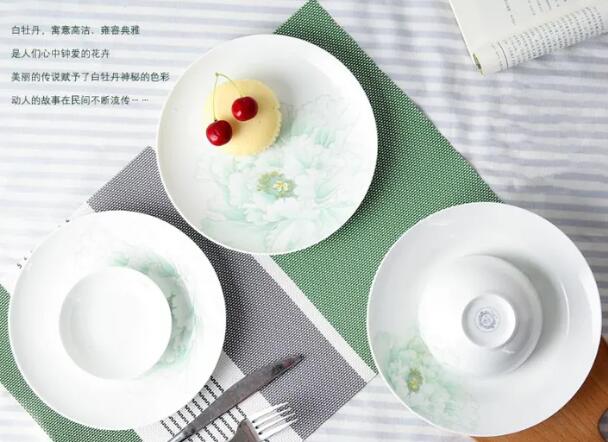
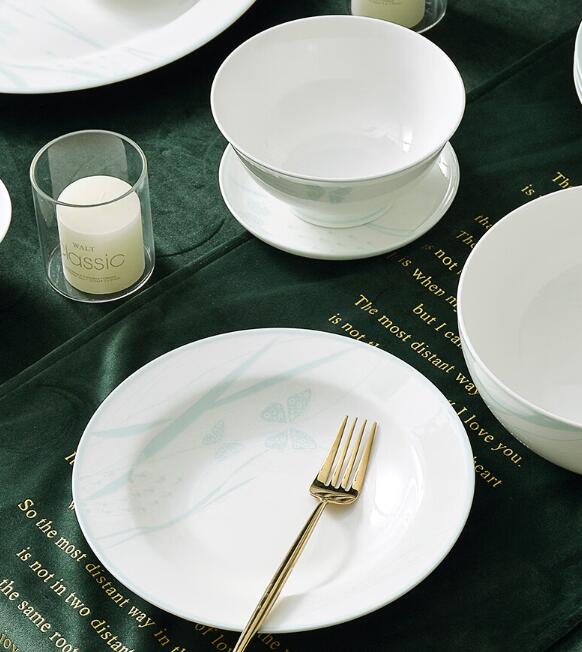
Patterned series (seasonal florals, Christmas themes, blue-and-white motifs) consistently earn praise like “creates great atmosphere” and “photographs beautifully.” Simple white porcelain lines are seen as “more refined than average supermarket plates.” Edge lines and curves strike a balanced, appealing look.
Texture & Weight:
Most collections skew medium-to-heavy, and users generally feel they have “substance, not cheap porcelain.” Some stoneware/pottery plates deliberately show weathering or grainy textures, feeling more rustic. Some love the “handcrafted feel,” while others complain about “knife resistance when cutting.”
Durability & Usage Marks:
Daily use (dishwasher, microwave) generally performs well overall, with reasonable results. Still, light-colored glazed plates get user reports of “gray knife marks appearing” or “needing special polishing powder.” Thinner-edge series occasionally show chipping or hairline edge cracks in some reviews. This often relates to frequent stacking and storage methods.
Price Perception:
Many reviews contain similar statements: “Quality is good, but I wouldn’t buy so many without a discount.” Longtime users often wait for end-of-season sales or holiday promotions to buy full sets.
✅ Highlight Moments: Top 2–3 User-Praised Details
1. Strong table atmosphere and coordination
Reviews frequently mention “guests asking where I bought the plates at holiday dinners.” Users praise how they “pair beautifully with wooden tables and linen tablecloths.” The same series covers dinner plates, salad plates, dessert plates, and bowls. Many users emphasize that “complete sets create a hotel-like presentation.”
2. Glaze color and pattern detail surpass typical mass-market brands
This especially applies to floral, blue-and-white, and holiday pattern series. Detail lines and color transitions are seen as “more refined than coarse printed patterns.” Some users compared IKEA plates directly, concluding that “Williams Sonoma looks more ‘upscale,’ not like disposable props.”
3. Dishwasher and microwave friendly (most series)
Most mainline series explicitly support dishwasher and microwave use without issues. Many household users in reviews mention “machine washing almost daily, no major problems after years.” This matters greatly for busy/lazy families, with users noting “looks like ‘formal dinnerware’ but can be used casually every day.”
❌ Warning Signs: Overlooked Fatal Flaws
1. Weight and size run large—not suitable for everyone
Some 10.5–11 inch dinner plates, with diameter plus fairly flat centers, require larger cabinet space and wider dish racks. For users with weaker grip strength (elderly, children), “carrying while eating” becomes noticeably tiring. One review stated bluntly: “Beautiful, but too heavy for my parents—switched back to lighter plates.”
2. Knife marks and minor scratches still occur
While craftsmanship beats low-price plates, “leaving absolutely no metal traces” remains unrealistic. Many users mention that dark glazes or high-gloss white plates show faint knife marks under strong light. These require periodic maintenance with specialized cleaning powder, or else “overall appearance suffers after a few years.”
3. Price and promotion cycles: regret from full-price purchases
Many veteran users comment in reviews or forums: “Unless you love a specific pattern, wait for discounts.” Some classic white porcelain series see significant price drops during sale seasons. This leaves full-price buyers feeling they “bought too early.” For budget-conscious shoppers, this is a classic “buy-then-regret-when-sale-hits” brand.
Deep Dive: Materials, Craftsmanship & Cost Structure
Williams Sonoma’s dinnerware system is quite extensive, roughly breaking into three categories: high-fired porcelain/bone china line, stoneware/pottery line, and holiday/collaboration pattern line.
1. Materials: Porcelain vs. Stoneware vs. Limited Edition Patterns
Porcelain/Fine White Series
Characteristics: High whiteness, finer body, edges mostly smooth round or fine-trimmed borders. Advantages: Suitable for formal occasions, pairs with any food; timeless and doesn’t date quickly. Risk points: High-gloss white surfaces are sensitive to knife marks; avoid hard object friction when stacking.
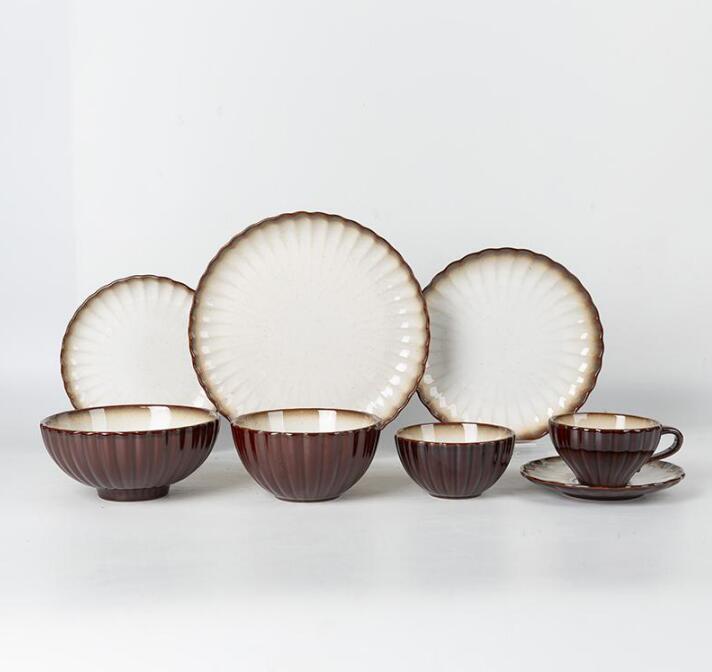
Stoneware/Pottery Series (including faux-handmade, faux-kiln-change glazes, etc.)
Characteristics: Plate surfaces have micro-grain texture, some color variation and handcrafted feel. Colors mostly earth tones, gray-blue, dark green, etc. Advantages: More casual, relaxed table atmosphere; pairs well with wooden tables and linen tablecloths; slight usage marks don’t show as much. Risk points: Individual variation and color differences more noticeable; some users feel “each piece in a set looks slightly different.” Some rough glazes show more sensitivity to metal friction.
Holiday/Pattern Series (Christmas, Easter, summer ocean, blue-and-white florals, etc.)
Characteristics: Pattern printing or underglaze colors, often sold during limited-time themed events. Advantages: Extremely strong scene-setting; many families bring them out yearly as “holiday-specific plates.” Risk points: Patterns can cause aesthetic fatigue; discontinued series make replacement difficult. High-frequency daily use makes fine lines and small chips more visible in pattern areas.
2. Craftsmanship Details: These Factors Determine “Premium Feel” and Longevity
Edge Treatment
Williams Sonoma uses micro-curved edges with narrow rims extensively in high-end lines. This reduces the “clunky feel” of thick porcelain plates. Gold/colored rim series often emphasize “not microwave safe”—users need to check tags carefully. Otherwise, metallic edges pose overheating risks.
Glaze and Color
Classic white porcelain series typically features full glazing with high gloss, looking “clean and sharp.” Stoneware lines mostly use matte or semi-matte glaze, reducing reflection and enhancing “handmade feel.” However, scratch tolerance is higher, though knife marks sometimes show more sensitivity.
Factory and Origin
The brand produces different series in different countries (including Portugal, other European countries, and some Asian factories). European production lines generally receive user reviews as “more refined details, also higher priced.” Within the same brand, different origins show some variance in glaze color consistency and edge polishing. This explains why veteran users specifically mention origins in reviews.
3. Cost & Premium Markup Components
Compared to ordinary brands, Williams Sonoma’s premium pricing reflects several factors:
Design and Line Completeness:
Developing dinner plates, bowls, flatware coordination, tablecloths, and runners for a single series requires higher design and inventory costs. Many users actually pay for “a complete table solution,” not just one plate.
Channel and Brand Premium:
Self-operated stores and retail space costs run high, but they provide in-store experience (table displays, coordination advice). Some users willingly pay for this content. Brand positioning targets mid-to-high end, naturally avoiding “bottom-price battles” with mass-market brands.
Workmanship and Quality Control:
Long-term reputation shows that defect rates aren’t zero, but remain within reasonable ranges for mid-to-high-end tableware. True value lies in “continuation of classic series over ten-plus years,” not single purchases.
Verdict: Who Should Buy? Who Shouldn’t? How to Avoid Pitfalls and Maintain?
1. Who Should Buy?
Recommended key groups:
Home users valuing table aesthetics and atmosphere
They cook at home frequently and occasionally entertain friends, wanting a set that’s “usable daily, impressive for gatherings.” They want plates themselves to help “set the scene,” reducing extra decoration costs.
People willing to invest in dinnerware in stages
They plan to add a few plates yearly or expand series gradually. They accept a “use for years, gradually complete the set” rhythm, not one-time cheapest full-set purchases.
Users with specific texture and weight preferences
They dislike overly light, hollow-sounding porcelain plates and mind “cheap feel.” They’d rather buy fewer pieces with better quality.
2. Who Shouldn’t Buy?
Not recommended for:
Budget-very-sensitive people who just want “eating vessel solutions”
If you only care about “microwave-safe, machine-washable, not heartbroken when broken,” most supermarket and IKEA products suffice. No need to pay extra for brand and design.
Those with limited home storage space or shallow cabinet depth
Most large dinner plates’ diameter plus rim design are genuinely unfriendly to small cabinets. Stacking height also runs tall. In this case, better to choose narrow-rim or smaller (8–9 inch) plates. Or select thinner bone china brands.
People extremely obsessed with perfectly mark-free plate surfaces
Any mid-to-high-end porcelain plate cannot guarantee “absolutely no knife or scratch marks.” Differences lie only in visibility and appearance timing. If you’re extremely sensitive to minor marks, prepare mentally for regular maintenance with specialized cleaning powders.
3. Purchase Recommendations & Selection Strategy
First Set Suggestion:
Start with a classic white porcelain or understated solid color series—begin with 4–6 dinner plates plus 4–6 salad plates. Then add 1–2 visually stronger accent plates for holidays or photo styling.
Holiday/Pattern Series:
Don’t buy out entire sets at once; enter through dessert or salad plates for atmosphere without excessive budget. Note whether they’re seasonal/limited editions, predicting future restocking availability to avoid “missing one piece drives me crazy” situations.
Purchase Timing:
Choose end-of-season sales, holiday events, or member discounts when possible, especially for classic series. Value improves significantly during discounts. For year-round white porcelain lines, no rush to buy at full price—price fluctuations follow relatively regular patterns.
4. Pitfall Avoidance & Maintenance Essentials
Initial Receipt Inspection
Check each piece individually: glaze for pinholes or bubbles, edges for small chips or burrs. For pattern plates, verify printing alignment and color uniformity—exchange promptly if issues exist.
Daily Use
When stacking, place thin paper or soft cloth between plate bottoms and surfaces to reduce friction scratching. Avoid hard steel wool scrubbing; use soft sponges instead.
Knife Mark Maintenance
Periodically use specialized mark-removal powder/polishing paste (many users mention specific brands in reviews). Gently clean in circles to significantly reduce gray knife marks. Pay special attention to dark matte plates.
5. Trend Forecast: Where Will Williams Sonoma Plates Go in 2–3 Years?
Considering recent product line changes and home décor trends:
Natural colors and stoneware textures will continue thriving:
Faux-handmade feel, slightly irregular edges, and earth-tone glazes will further increase, adapting to “casual, homey table” aesthetic trends.
Seasonal themes will strengthen but trend toward more restraint:
Patterns will evolve from “full-coverage illustrations” toward “partial small patterns, softer colors” to extend usage scenarios. They’ll no longer feel “only suitable for one specific day.”
Coordination with table textiles will become more integrated:
As a complete table solution provider, Williams Sonoma will strengthen coordinated design between dinnerware and tablecloths, placemats, and napkins. This further supports brand premium positioning.
Summary Judgment:
If you seek a dinnerware set usable daily yet impressive for gatherings, and you’re willing to pay some premium for design and long-term restocking ability, Williams Sonoma is a relatively “solid” mid-to-high-end choice.
But if you prioritize “ultimate durability with zero worry” or have limited budget and cramped storage space, more practical mass-market brands actually better suit your real needs.
If you have any questions or need to Customized tableware service from GC Porcelain, please contact our Email:info@gcporcelain.com for the most thoughtful support!