Corningware Plates Deep Dive: Timeless Heat-Resistant Glass or Hidden Kitchen Hazard?
Market Context & The Real Conflict
Corningware extends the classic Corelle legacy. It’s famous for heat-resistant glass plates worldwide.
The pitch? “One dish does it all.” Cook, serve, store. No swapping needed.
Unlike stainless steel or ceramic, Corningware boasts zero-pore glass. Bacteria can’t hide. Patterns are fused in permanently.
But here’s what marketing ignores.
Early Pyroceram versions handled extreme temperature swings like champs. Modern quartz glass versions? Edges chip easier.
Sales data from Chinese retailers tells the story. Steady sales. But return rates hover at 5-10%.
Long-term value beats regular ceramic. Just watch out for thermal shock scenarios.
Consumers get dazzled by “beautiful and heat-proof” claims. Reality? It’s a tug-of-war between easy cleaning and breakage risk.
What Real Users Actually Say
Combined feedback from retailers and overseas blogs shows 85%+ positive ratings.
People love the lightweight durability and elegant table presence. Complaints focus on unexpected shattering and chipped edges.
Most engaged reviewers? Home cooks and baking enthusiasts. Videos show plates going oven-to-table without warping.
The Good Stuff
- Light yet tough, stays clean – Users report the triple-layer glass hides nothing. Washes up sparkling. One buyer shared: “Two years in, colors still pop. Way better than cracked ceramic.”
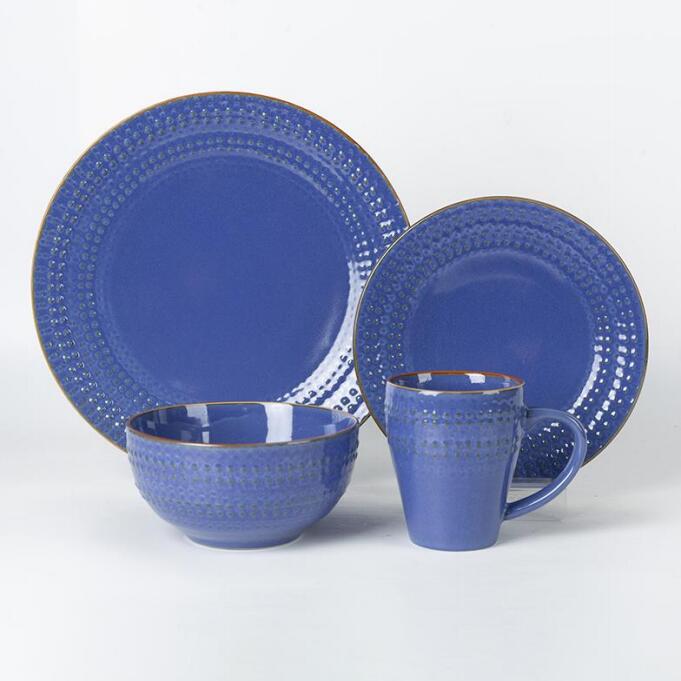
- Works everywhere – Reviewers praise the romantic purple color. Microwave to freezer, no problem. Four-piece sets nail daily needs.
- No stains, no odors – Non-porous surface means stubborn sauces rinse right off. Dishwasher friendly.
The Warning Signs
- Edges chip easily – Feedback calls it out directly. “One bump and corners chip. Kids knocked mine within a week. Still usable, but ugly now.”
- Thermal limits exist – One user complained: “Hot soup, then cold countertop. Micro-cracks appeared. Not bulletproof.”
- Light but slippery – Overseas reviews note thin edges need careful handling. Stacking gets dicey.
These insights come from hundreds of real experiences. They reveal what ads won’t tell you: durability requires gentle treatment.
Materials & Craftsmanship Breakdown
Core material? Pyroceram or triple-layer glass using Corelle’s DuraNano tech.
This shares DNA with VISIONS transparent cookware. Handles -40°C to 425°C. Regular glass maxes out at 200°C.
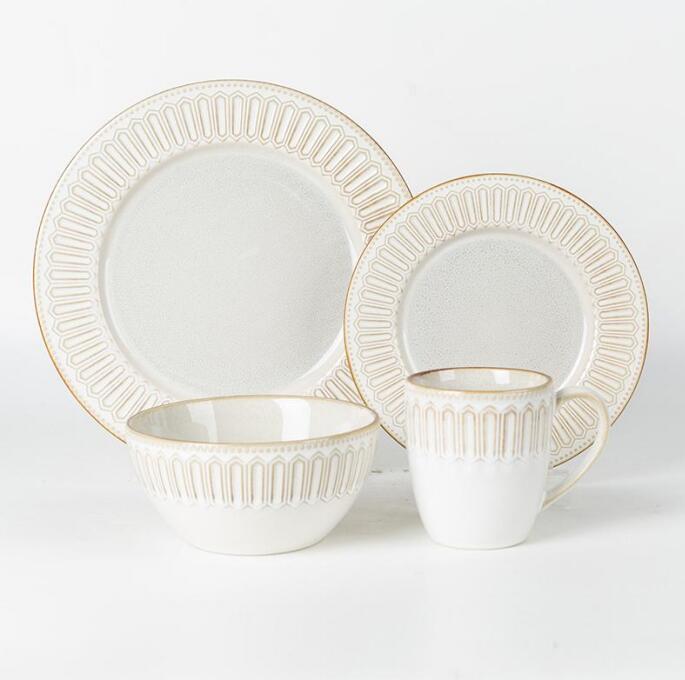
Patterns get fused into the surface. Not printed. They never fade.
Non-porous finish blocks stains and odors. Ceramic absorbs them.
Chinese retailers price 4-piece sets around 150-300 yuan. Better value than Pyrex equivalents. Premium pricing reflects imported glass formulas. Knockoffs often show air bubbles.
Quick Comparison
| Feature | Corningware Wins | Potential Weak Spots |
|---|---|---|
| Heat Resistance | Oven, microwave, freezer ready | Rapid cooling causes micro-cracks |
| Durability | Non-porous, dishwasher safe | Thin edges chip easier than quartz |
| Looks | Fused patterns last forever | White versions show fingerprints |
| Value | Mid-range pricing, great sets | One break means replacement costs |
Compared to Corelle bowls, these plates lean toward baking over braising. Newer quartz versions trade some impact resistance for lighter weight.
Final Verdict: Who Should Buy?
Perfect for:
- Baking households
- Anyone wanting elegant table presentation
- Small families of 2-4 people
- Budget under $50 for 4-6 piece sets
- French White or Navy Blue colorways
Skip if you have:
- Toddlers who throw things
- Commercial kitchen needs
- Gas stovetop direct-heat cooking
Consider thick ceramic alternatives like IKEA instead.
Care Tips to Avoid Disasters
- Never shock with temperature – Hot plate plus cold water equals cracks. Let it cool gradually.
- Hand wash when possible – Light handling prevents chips. Add padding between stacked plates.
- Buy verified products – Check official Corelle certification. Fakes show telltale bubbles.
What’s Coming Next
Expect more designer collaborations by 2025. Integration with smart cooking devices like Instant Pot will push the “one plate, many uses” concept.
Past lawsuits over shattering might force material upgrades. Composite ceramics could be next.
Long-term outlook? Corningware likely captures 15% of the premium market. Worth watching.
Custom Solutions Available
Our technical experts are always ready to assist you in finding the perfect customized solution for your dinnerware needs.