How to Vet a Chinese Tableware Manufacturer: 12 Questions Every Buyer Must Ask
China produces more than 60% of the world’s ceramic tableware exports, which means the market is full of options—and full of risk. Vetting a Chinese tableware manufacturer comes down to verifying four things before you commit: legal credentials, product safety certifications, production capacity, and cooperation terms. This guide gives you 12 specific questions to ask during that process, along with the red flags that experienced procurement managers watch for.
This article is written for hotel procurement teams, restaurant chains, and tableware brand founders placing their first or second B2B order from a Chinese factory.
Key Takeaways
- Ask for the factory’s Business License and Export License—not just their website profile.
- FDA 21 CFR (US) and LFGB (EU) certification documents must include verifiable lab report numbers, not just logos.
- Standard MOQ at Chinese ceramic factories ranges from 500 to 5,000 pieces depending on customization level.
- Lead time for fully custom shapes runs 60–90 days from sample approval to bulk shipment.
- A factory that refuses a video call tour of the production line is a red flag—no exceptions.
- ISO 6486-1 sets the international standard for cadmium and lead leaching in ceramic tableware; always request the actual numerical test results.
Group 1: Legal & Business Credentials
Before evaluating products or pricing, confirm the factory exists as a legal entity and has the right to export.
Question 1: Can you provide your Business License and Export License?
A legitimate Chinese manufacturer holds a Business License (营业执照) issued by the State Administration for Market Regulation, and a Foreign Trade Operator Registration (对外贸易经营者备案) for export rights. Ask for both documents upfront. Verify the business license number through China’s National Enterprise Credit Information Publicity System at gsxt.gov.cn—this is a free public database.
Factories that deflect this request by saying “we work through a trading company” are not necessarily dishonest, but you need to understand who you’re actually contracting with. Trading companies add a margin layer; direct factories give you more transparency on cost and production scheduling.
Question 2: How long has the factory been in operation, and what is your primary export market?
Longevity matters in ceramic manufacturing. A factory operating for fewer than five years has not yet cycled through enough production runs to have a stable defect rate or a proven supplier network for raw materials. Ask for the founding year and the countries they currently export to. Factories supplying to the US or EU market already have systems in place to meet FDA and LFGB requirements—which reduces your compliance burden.
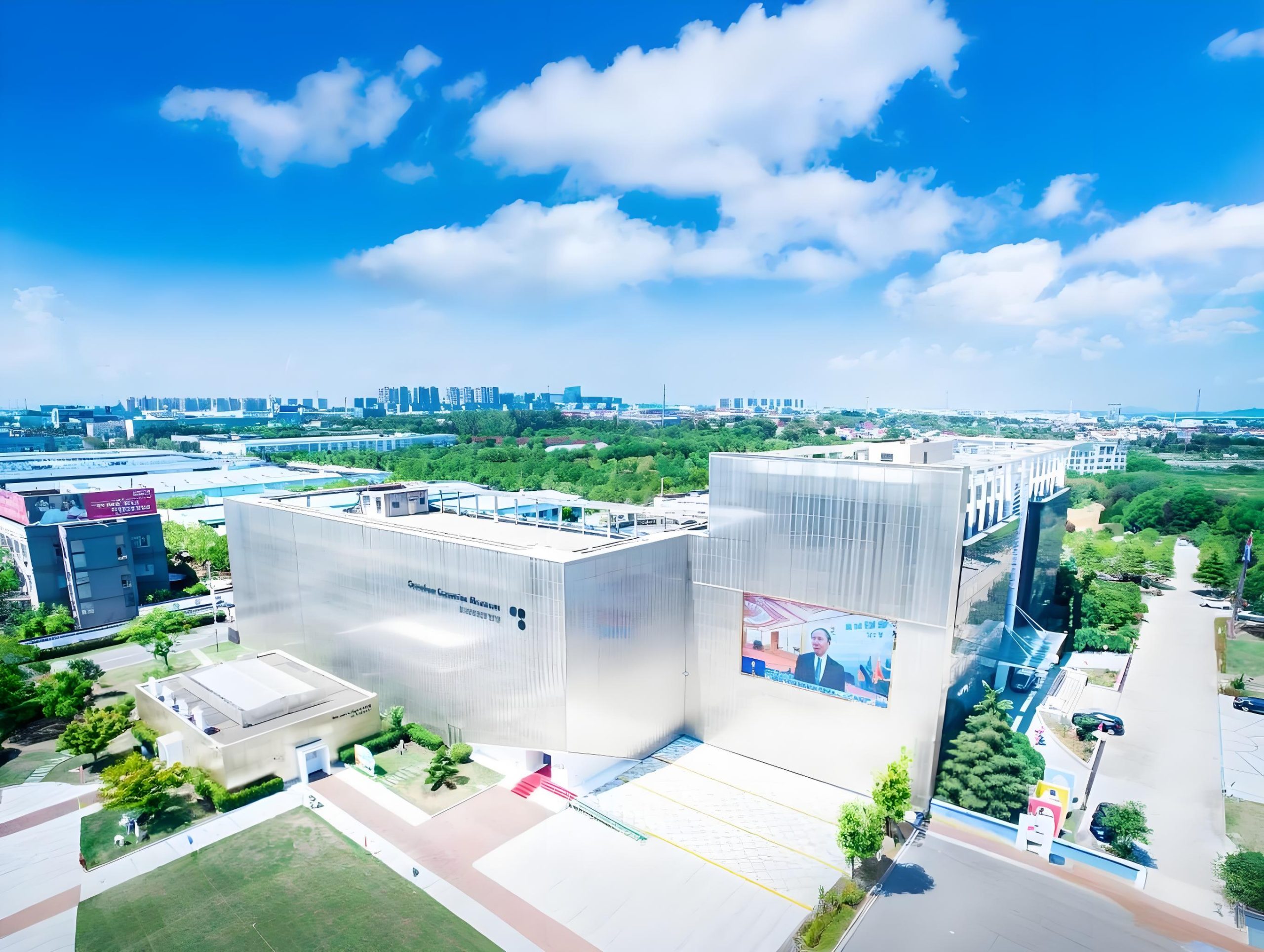
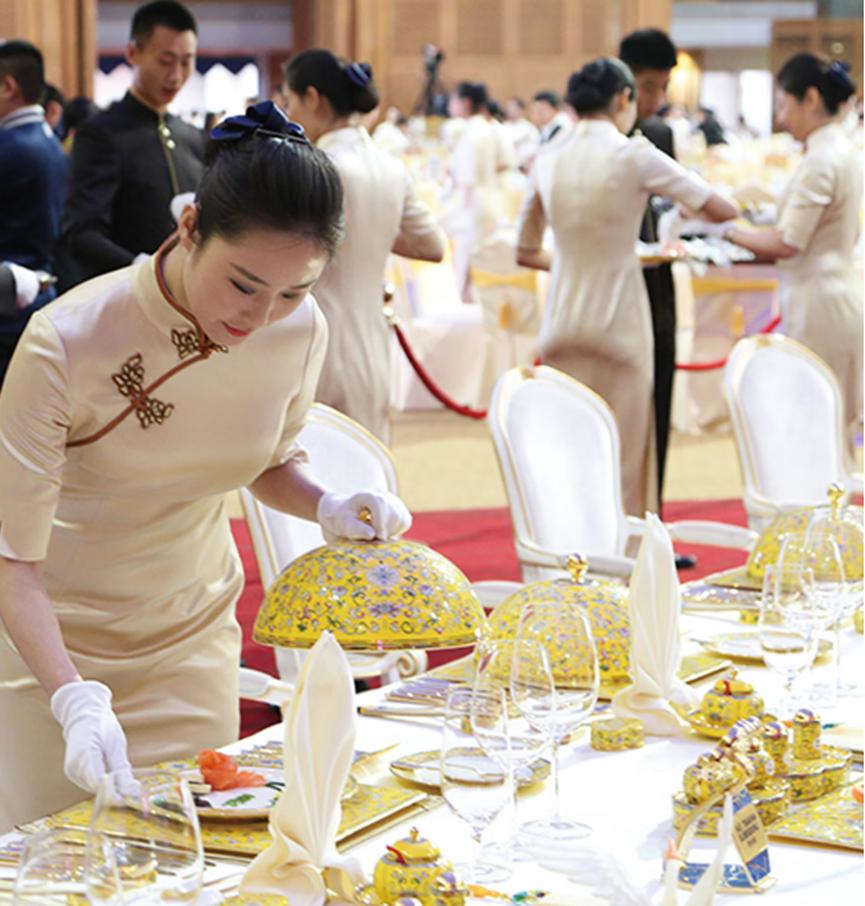
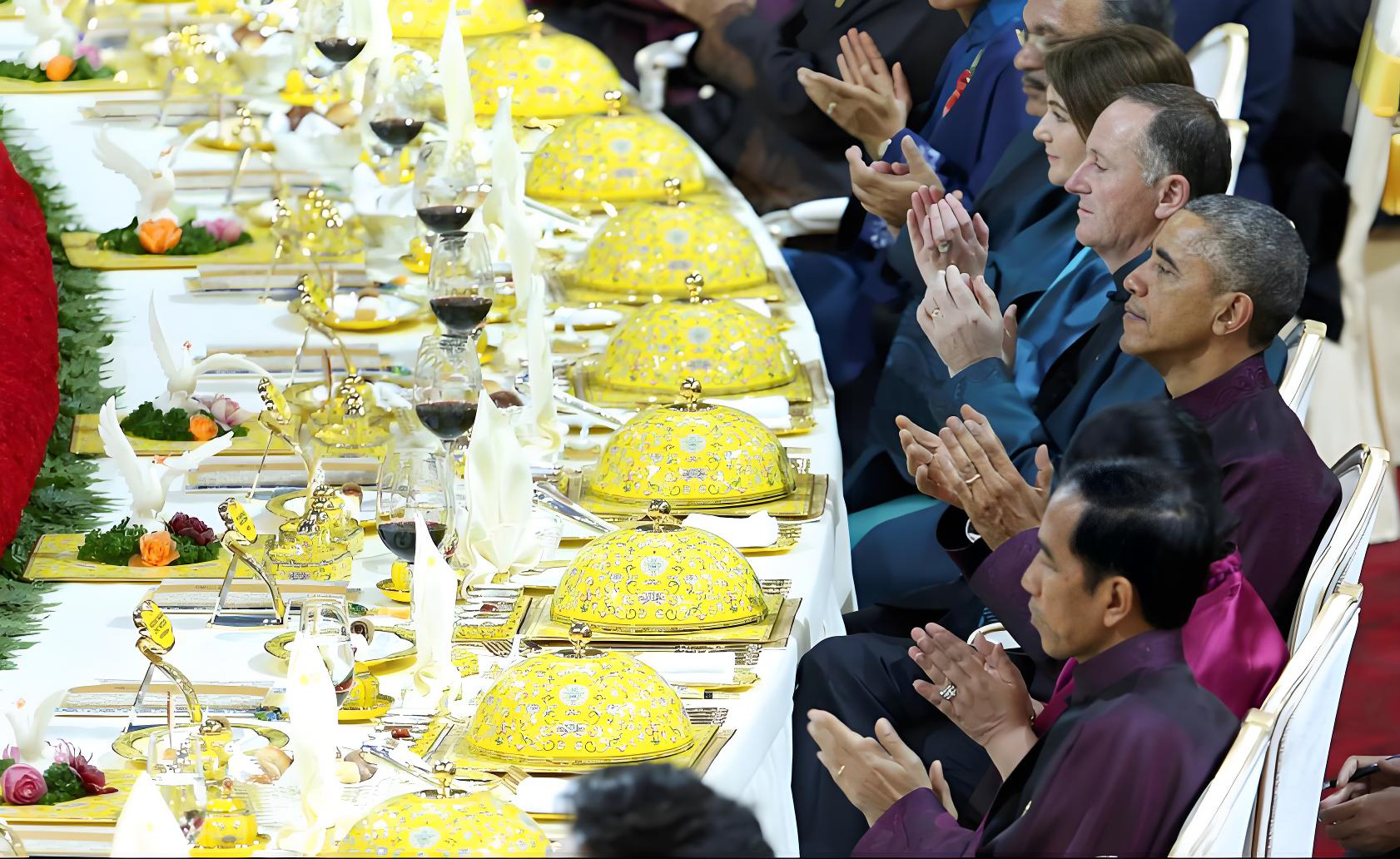
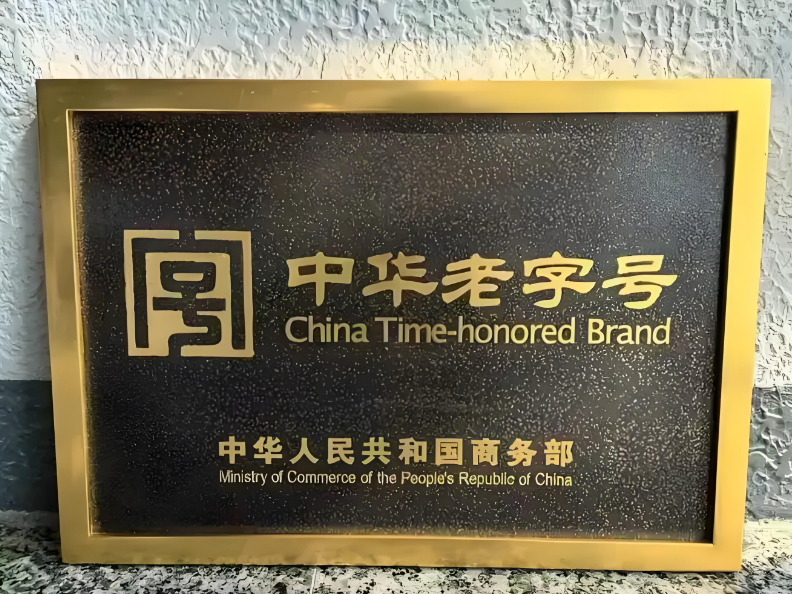
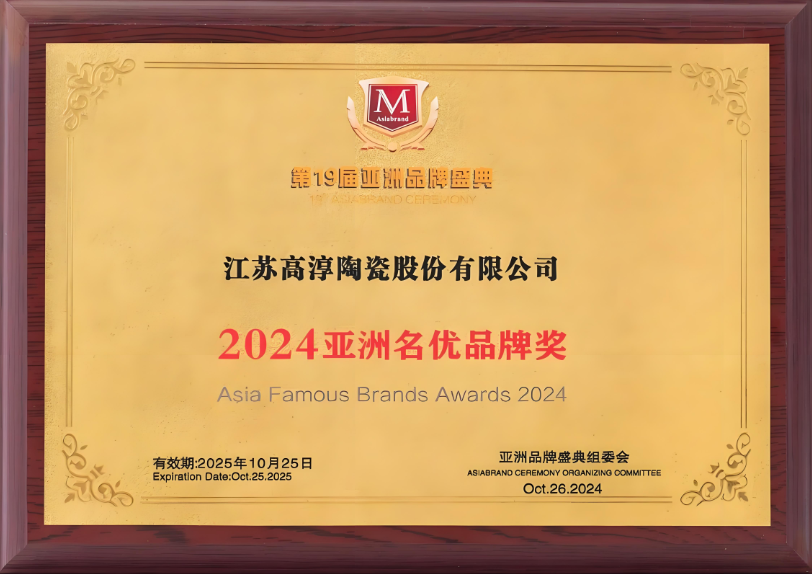
GC Porcelain, for example, has been manufacturing since 1958 and has supplied state banquet events and APEC Summit delegations, which required demonstrably higher QC standards than typical commercial orders.
Question 3: Do you manufacture in-house or subcontract production?
Some suppliers present themselves as factories but outsource actual production to third-party kilns. This is not automatically a problem, but it means you have less visibility into QC. Ask directly: “Is all production done in your own facility?” If they subcontract, ask which steps are outsourced and how they monitor quality at subcontractor sites.
Group 2: Product Safety & Certification
For food-contact tableware, certification is not optional—it is a legal requirement in most markets.
Question 4: Do you hold FDA 21 CFR certification for lead and cadmium leaching?
The US Food and Drug Administration’s 21 CFR (Code of Federal Regulations) sets maximum leaching limits for lead (≤0.5 mg/L) and cadmium (≤0.25 mg/L) in ceramic tableware. Any manufacturer exporting to the US must comply. Critically, ask for the actual test report—not just a certificate logo—and verify the report number with the issuing laboratory (typically SGS, Intertek, or Bureau Veritas).
A reputable manufacturer will provide a document that lists the specific numerical test results, the sample lot number, and the lab’s accreditation number. A PDF with just a logo and an expiry date is insufficient.
Question 5: Is the tableware LFGB-certified for the European market?
LFGB (Lebensmittel-, Bedarfsgegenstände- und Futtermittelgesetzbuch) is Germany’s food safety law and the primary compliance framework for ceramic tableware sold in the EU. Unlike FDA, LFGB uses a migration testing method under acidic conditions (4% acetic acid at 70°C for 2 hours). The limits are stricter: lead ≤0.3 mg/L for flat items, ≤1.5 mg/L for hollow items under EN 1388-2.
If you’re selling to European hotels or restaurant chains, LFGB certification is non-negotiable. Confirm the certificate is current—certifications expire and must be renewed when glazes or production processes change.
Question 6: What international quality management certification does the factory hold?
ISO 9001:2015 is the baseline quality management certification for Chinese manufacturers. Beyond ISO 9001, ask whether they hold ISO 6486-1 (ceramic tableware safety standard), BSCI (Business Social Compliance Initiative, required by some European retail buyers), or SA8000 (labor standards). Each certification signals a different aspect of operational maturity.
Group 3: Production Capacity & Quality Control
Understanding capacity prevents the most common B2B sourcing failure: placing an order the factory cannot fulfill on time.
Question 7: What is your monthly production capacity for the specific product category we’re ordering?
A factory might have 500,000 pieces per month of total capacity, but only 50,000 of that allocated to the bone china category you need—while the rest goes to stoneware or porcelain. Ask for category-specific capacity numbers and ask about their current order backlog. The best factories are typically booked 6–8 weeks ahead; if they claim immediate availability on large custom orders, that warrants scrutiny.
According to custom dinnerware sourcing guides from experienced procurement teams, factories running at 70–85% capacity deliver the most consistent quality. A factory at 95%+ capacity tends to cut corners on inspection.
Question 8: What is your standard defect rate (AQL), and how do you handle defective shipments?
AQL (Acceptable Quality Level) is the international standard for acceptable defect rates in manufacturing. For B2B tableware orders, AQL 2.5 is standard—meaning in a batch of 1,000 pieces, up to 21 defective units is considered acceptable. Ask what AQL level the factory uses for outgoing inspection and whether they use a third-party inspector (SGS, Intertek) or internal QC only.
More importantly, ask their policy on defective shipments: Do they replace defective items in the next order? Issue a partial refund? The answer tells you as much about their character as their defect rate does.
Question 9: Can we conduct a video call tour of the production line before placing our order?
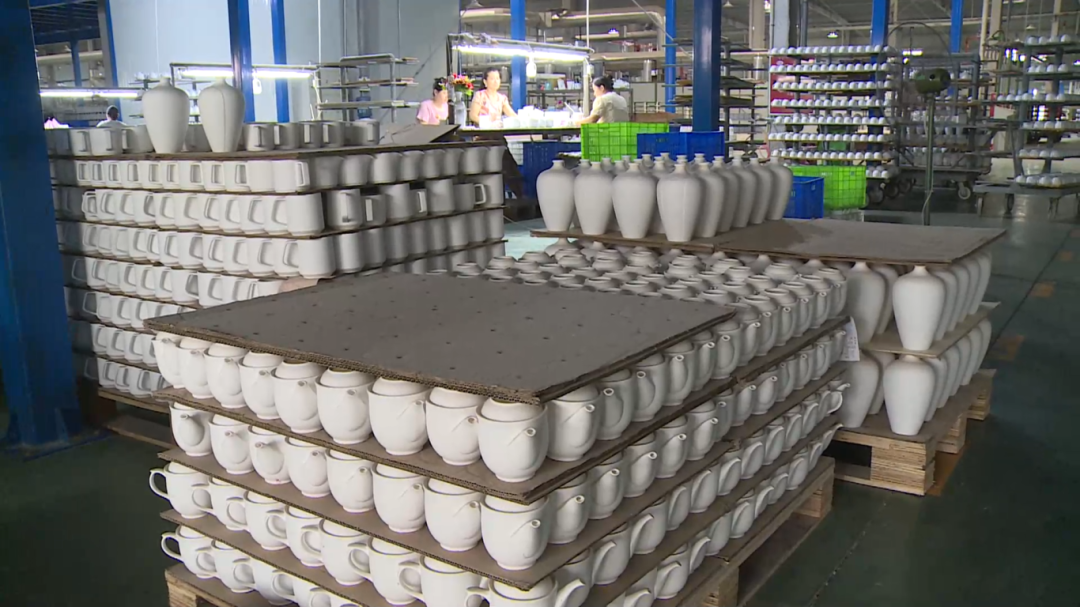
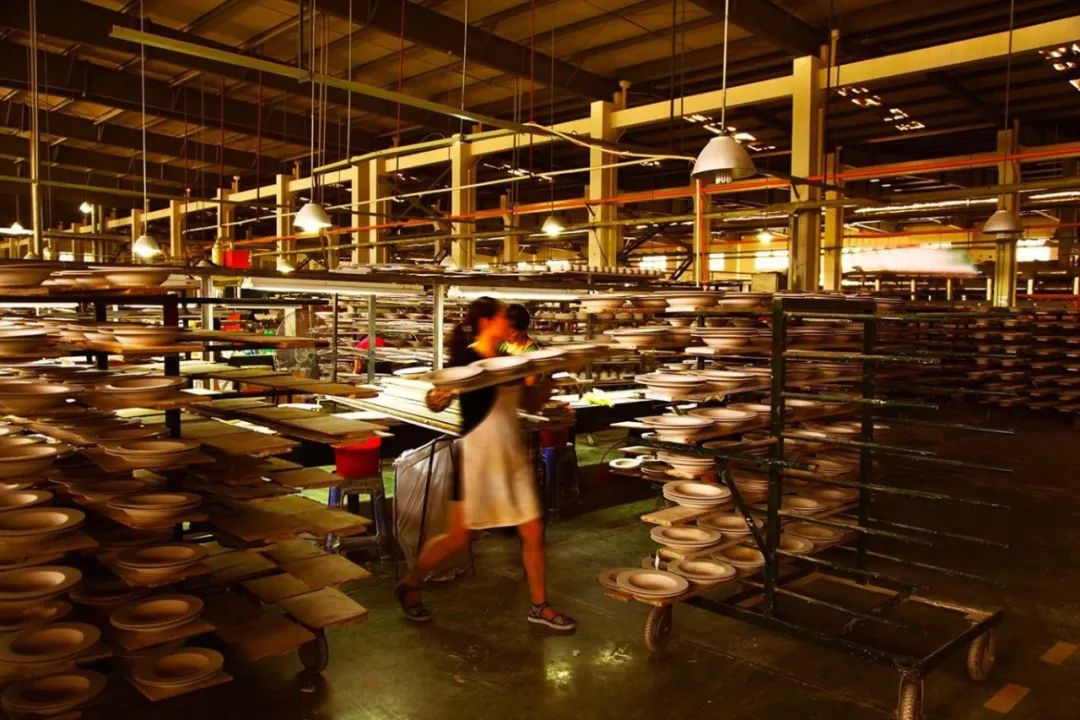
A legitimate factory with nothing to hide will agree to a 30-minute video call walk-through of the production facility. What you’re looking for: organized kiln areas, dedicated QC stations, labeled storage for finished goods, and employees using proper safety equipment. If a factory refuses or delays this request repeatedly, treat it as a serious red flag.
Group 4: Cooperation Terms & IP Protection
Questions 10–12 protect your commercial interests in the relationship.
Question 10: What is your MOQ, sample policy, and lead time for custom shapes?
Get specific numbers in writing:
|
Customization Level |
Typical MOQ |
Sample Lead Time |
Production Lead Time |
|---|---|---|---|
|
Logo printing on stock item |
500 pcs |
7–14 days |
21–30 days |
|
Color glaze on existing shape |
500–1,000 pcs |
14–21 days |
30–45 days |
|
Custom shape (new mold required) |
1,000+ pcs |
30–45 days |
60–90 days |
|
Full OEM with proprietary packaging |
1,000–3,000 pcs |
45–60 days |
90–120 days |
Any factory quoting significantly shorter lead times for custom mold work should be asked how—new ceramic molds require firing, testing, and adjustment cycles that cannot be meaningfully compressed below 30 days.
Question 11: Who owns the mold after production, and what is your IP protection policy?
If you commission a custom shape, the tooling cost is typically $300–$2,000 per mold depending on complexity. Clarify upfront: does ownership of that mold transfer to you after payment, or does the factory retain it? A factory that retains mold ownership can legally produce your design for other clients.
For brands with proprietary shapes, the mold ownership clause should be written into the purchase agreement, along with a non-disclosure agreement (NDA) covering your design specifications. Reputable manufacturers accept these terms without negotiation—refusal is a red flag.
Question 12: What are your payment terms, and do you accept trade finance or Letters of Credit?
Standard payment structure for a first-time B2B ceramic order is 30% deposit, 70% balance before shipment. If a factory demands 50% or more upfront before producing a single sample, that is unusual leverage to ask for on a new relationship. For orders above $50,000 USD, ask whether they accept Letters of Credit (LC)—a bank instrument that protects both parties.
Red Flags to Watch For
Even after asking all 12 questions, certain patterns indicate a factory that will cause problems:
- No physical address or only a P.O. Box — Legitimate factories have factory addresses, not just office addresses.
- Unable to provide original test reports with verifiable lab report numbers — Copied or altered certificates are common.
- Unwilling to sign an NDA before sharing your design — Non-negotiable for any brand with proprietary IP.
- Prices dramatically below market rate — Chinese ceramic labor costs have risen significantly; if the price seems impossible, it may involve substandard materials or undisclosed subcontracting.
- No response to defect policy questions — A factory that deflects questions about defect handling has not been asked this before, which means they have not dealt with it professionally before.
Manufacturer Evaluation Scorecard
Use this table to score manufacturers across your shortlist:
|
Evaluation Criterion |
Weight |
Score (1–5) |
Weighted Score |
|---|---|---|---|
|
Business License verified |
15% |
— |
— |
|
FDA / LFGB certificate with verifiable report numbers |
20% |
— |
— |
|
ISO 9001 or ISO 6486-1 certification current |
10% |
— |
— |
|
Monthly capacity matches your volume |
10% |
— |
— |
|
AQL defect rate stated and third-party inspected |
10% |
— |
— |
|
Video call factory tour completed |
10% |
— |
— |
|
MOQ and lead time aligned with your requirements |
10% |
— |
— |
|
Mold ownership terms acceptable |
10% |
— |
— |
|
NDA willingness |
5% |
— |
— |
|
Total |
100% |
— |
— |
A weighted score of 4.0 or above (out of 5.0) indicates a manufacturer ready for a trial order. Below 3.5, proceed only if the low-scoring criteria are non-critical for your specific project.
For a deeper look at what to expect from the full custom ordering process—including how to structure your design brief and what factory communication looks like at each stage—see our guide to custom ceramic tableware sourcing for B2B buyers.
FAQ
What certifications should a Chinese tableware manufacturer have for exporting to the US?
For the US market, ceramic tableware must comply with FDA 21 CFR standards for lead (≤0.5 mg/L) and cadmium (≤0.25 mg/L) leaching. The manufacturer should provide a lab test report—not just a certificate—from an accredited testing body such as SGS, Intertek, or Bureau Veritas. The report must include specific numerical leaching values, the sample batch number, and a verifiable report ID. ISO 9001 quality management certification is also standard for factories exporting at commercial scale.
How do I verify that a Chinese manufacturer’s certificates are genuine?
Request the original certificate document along with the accreditation number of the issuing laboratory. Then contact the lab directly (SGS, Intertek, or Bureau Veritas all have public report verification portals) and confirm the report number is on file and matches the factory name. For Business License verification, use China’s free public database at gsxt.gov.cn—enter the 18-digit unified social credit code (统一社会信用代码) listed on the license.
What is a reasonable MOQ for a first custom tableware order from China?
For logo printing on an existing stock shape, most Chinese ceramic manufacturers accept MOQs of 500 pieces. For a fully custom shape requiring new mold tooling, the practical minimum is 1,000 pieces—fewer pieces do not justify the tooling cost for either party. Negotiating below this threshold usually results in the factory using a close-but-not-exact existing mold shape, which defeats the purpose of custom design. GC Porcelain accepts 500-piece MOQs for OEM projects with existing mold shapes.
How long does it take to get custom ceramic tableware from China?
Lead times depend on customization level. Logo printing on stock items: 21–30 days. Custom color glazes on existing shapes: 30–45 days. Fully custom shapes with new mold tooling: 60–90 days from sample approval to bulk shipment. These timelines assume the factory has current capacity; during peak production periods (typically September–November before the holiday export season), add 2–3 weeks buffer.
Can I own the mold for my custom tableware shape?
Yes—and you should insist on it. When you pay the tooling fee for a custom ceramic mold, negotiate a written clause in your purchase agreement that transfers mold ownership to you upon full payment. This prevents the manufacturer from producing your proprietary shape for other buyers. Reputable factories accept this term; refusal or significant pushback on mold ownership transfer is a red flag worth taking seriously before committing to a large order.
Custom Solutions Available
Our technical experts are always ready to assist you in finding the perfect customized solution for your dinnerware needs.