Ceramic Tableware Certifications: FDA, LFGB, ISO 6486 — What B2B Buyers Need to Know
Ceramic tableware used for food contact must comply with leaching limits for lead and cadmium—heavy metals that can migrate from glazes into food and beverages under acidic conditions. Three certification frameworks govern this globally: FDA 21 CFR (United States), LFGB (European Union/Germany), and ISO 6486-1 (international standard). This guide explains what each tests, the specific numerical limits, how to verify certificates are genuine rather than copied, and which certification your market actually requires.
This guide is written for hotel procurement managers, tableware brand importers, and B2B buyers specifying ceramic tableware for US, EU, or international markets.
Key Takeaways
- FDA 21 CFR sets US lead leaching limits at ≤ 0.5 mg/L for flat ware and cadmium ≤ 0.25 mg/L—non-negotiable for any ceramic tableware sold or used in the United States.
- LFGB (EU/Germany) uses stricter testing conditions (4% acetic acid at 70°C for 2 hours) and applies different limits by vessel type: flat ware lead ≤ 0.3 mg/L, hollow ware ≤ 1.5 mg/L.
- ISO 6486-1 is an international standard that specifies systematic testing protocols rather than just threshold limits—it is what distinguishes a supplier with integrated QC from one that ran a single certification test.
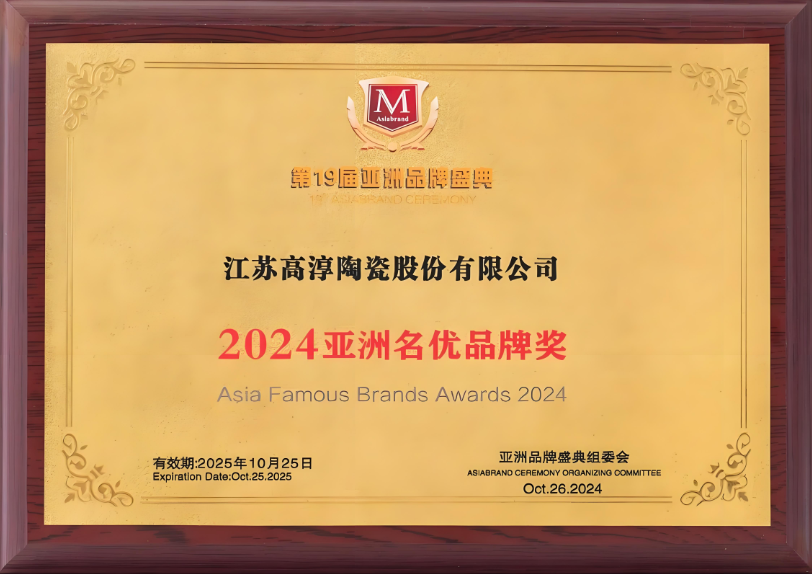
- A certificate with a logo and an expiry date is not sufficient. Valid compliance documentation must include: the accredited laboratory’s name and accreditation number, the specific sample batch tested, and the actual numerical leaching results.
- Verification is possible: SGS, Intertek, and Bureau Veritas all operate public report number verification portals. Enter the report number from the certificate—if it does not appear, the certificate may be altered or fabricated.
- Certificate validity: Certifications must be renewed when glazes, kiln parameters, or production processes change. A certificate from 2019 does not cover a glaze reformulation made in 2023.
Why Lead and Cadmium Are the Focus
Lead and cadmium are used in ceramic glaze formulations—lead as a flux that lowers melting temperature and produces smooth, glossy surfaces; cadmium as a colorant in red, orange, and yellow glazes. Both migrate into food and beverages under acidic conditions: the organic acids in coffee, fruit juice, wine, and vinegar-based dressings are sufficient to trigger leaching from improperly formulated or under-fired glazes.
Chronic low-level exposure to lead causes neurological damage; cadmium is a cumulative kidney toxin. Both are classified as carcinogens by the International Agency for Research on Cancer (IARC). The health consequences explain why every major market has mandatory leaching limits.
Modern commercial ceramic tableware from reputable manufacturers uses lead-free and cadmium-free glaze formulations—lead and cadmium have been phased out of most export-grade glaze systems. Certification testing verifies that residual contamination in raw materials and firing byproducts does not exceed safe thresholds.
FDA 21 CFR: US Market Requirements
What FDA 21 CFR Tests
The US Food and Drug Administration’s 21 CFR Part 109.16 (formerly referenced as 21 CFR 109.16 and broadly referred to as “FDA 21 CFR” in trade) establishes migration limits for lead and cadmium in ceramic articles used for food contact.
Test method: The ceramic piece is filled with 4% acetic acid solution and held at 22°C (room temperature) for 24 hours. The acid solution is then analyzed for lead and cadmium concentration.
Limits (current FDA enforcement guidance):
|
Item Category |
Lead Limit |
Cadmium Limit |
|---|---|---|
|
Flat ware (plates, platters) |
≤ 3.0 μg/mL (3.0 mg/L) |
≤ 0.5 μg/mL |
|
Small hollow ware (< 1.1L) |
≤ 2.0 μg/mL |
≤ 0.5 μg/mL |
|
Large hollow ware (≥ 1.1L) |
≤ 1.0 μg/mL |
≤ 0.25 μg/mL |
|
Cups and mugs |
≤ 0.5 μg/mL |
≤ 0.25 μg/mL |
|
Pitchers |
≤ 0.5 μg/mL |
≤ 0.25 μg/mL |
Note: International B2B trade often references tighter informal limits (lead ≤ 0.5 mg/L) reflecting California Prop 65 and buyer-driven requirements stricter than federal FDA limits. When specifying “FDA compliant,” clarify whether you mean federal FDA or California Prop 65 thresholds.
What a Valid FDA Test Report Contains
- Accredited laboratory name, address, and accreditation number
- Client and sample identification (factory name, sample description, production date)
- Test method reference (ASTM C738 for lead, ASTM C927 for cadmium are common methods)
- Numerical test results for lead and cadmium (not just “pass/fail”)
- Test date
- Laboratory signatory
FDA Certificate Validity Period
FDA certificates do not have a fixed expiry imposed by regulation, but buyers typically accept certificates up to 2 years old for unchanged glaze formulations. Any change to glaze materials, suppliers, or firing temperatures requires re-testing.
LFGB: European Market Requirements
What LFGB Tests
LFGB (Lebensmittel-, Bedarfsgegenstände- und Futtermittelgesetzbuch—Germany’s Food, Consumer Goods and Feedstuffs Code) is the primary food contact materials regulation in Germany and, by industry practice, the benchmark for the EU market.
The test conditions are deliberately more aggressive than FDA:
- Test solution: 4% acetic acid (same as FDA)
- Temperature: 70°C (versus FDA’s 22°C)
- Duration: 2 hours (versus FDA’s 24 hours)
The higher temperature significantly increases migration—a piece that passes FDA testing at room temperature may fail LFGB testing at 70°C. This makes LFGB the more stringent standard for high-temperature use applications (hot beverages, soup).
LFGB Limits (EN 1388-2)
|
Item Category |
Lead Limit |
Cadmium Limit |
|---|---|---|
|
Flat ware (plates, saucers) |
≤ 0.3 mg/L |
≤ 0.3 mg/L |
|
Hollow ware, small (< 1.1L) |
≤ 1.5 mg/L |
≤ 0.5 mg/L |
|
Hollow ware, large (≥ 1.1L) |
≤ 1.5 mg/L |
≤ 0.5 mg/L |
|
Cookware (direct heating) |
≤ 0.5 mg/L |
≤ 0.1 mg/L |
LFGB vs FDA: Which Is More Demanding?
|
Dimension |
FDA |
LFGB |
|---|---|---|
|
Test temperature |
22°C |
70°C |
|
Test duration |
24 hours |
2 hours |
|
Flat ware lead limit |
3.0 mg/L |
0.3 mg/L |
|
Cup/mug lead limit |
0.5 mg/L |
1.5 mg/L |
Practical implication: A ceramic piece can pass FDA but fail LFGB on flat ware lead limits. For brands selling to both US and EU markets, specify LFGB compliance—a piece that passes LFGB flat ware limits (0.3 mg/L) will also pass FDA flat ware limits (3.0 mg/L) for most categories.
ISO 6486-1: The International Standard
What ISO 6486-1 Is
ISO 6486-1 (Ceramic ware, glass ceramic ware and glass dinnerware in contact with food — Release of lead and cadmium — Part 1: Test method) is an ISO international standard that specifies the test method for measuring lead and cadmium release. It is not a limit standard on its own—instead, it specifies how tests are conducted, ensuring comparability between laboratories worldwide.
Why ISO 6486-1 matters more than FDA/LFGB alone:
FDA and LFGB compliance can be satisfied by a single one-time test. ISO 6486-1 adoption by a factory signals that they have integrated standardized testing protocols into their production QC process—not just run a test when applying for certification. This is the distinction between systematic compliance and certificate-shopping.
Factories holding ISO 6486-1 certification from an accredited body (typically TÜV, SGS, or Bureau Veritas) have:
- Documented test procedures tied to ISO 6486-1 methods
- Regular interval testing (not just one-time)
- QC records linking test results to production batches
When to Require ISO 6486-1
Require ISO 6486-1 when:
- Your product is used for hot beverages or acidic foods (coffee, juice, wine)
- You are sourcing for five-star hotel or premium brand use where compliance documentation must withstand audit scrutiny
- Your brand operates in multiple markets and needs internationally comparable documentation
- You are signing long-term supply agreements that require ongoing QC documentation
For a straightforward restaurant or hotel tableware program, FDA or LFGB (whichever applies to your market) is sufficient. ISO 6486-1 is the additional layer for buyers who need systematic rather than one-time compliance evidence.
Other Certifications
ISO 9001:2015 — Quality Management System
ISO 9001 certifies a factory’s quality management processes—how they plan, produce, inspect, and improve. It does not test food safety directly, but a factory with ISO 9001 has documented procedures for every production step, making traceability and defect investigation significantly more reliable.
ISO 9001 is a baseline expectation for any established Chinese ceramic exporter. Its absence is a yellow flag; its presence is a necessary but not sufficient quality signal.
BSCI — Business Social Compliance Initiative
BSCI audits factories against social compliance standards: working hours, wages, child labor, safety conditions. Required by European retail buyers (IKEA, Carrefour, and others mandate BSCI for suppliers). Increasingly required by luxury hotel groups with published supply chain ethics policies.
BSCI does not test food safety. Its presence signals that the factory’s labor practices have been third-party audited.
SA8000 — Social Accountability Standard
SA8000 is a stricter social compliance certification than BSCI, applying ILO (International Labour Organization) standards. Lianyuan Ceramic is among the Chinese tableware manufacturers that hold SA8000 certification—rare in the industry and valued by buyers whose procurement policies include supply chain ethics auditing.
California Proposition 65
While not a certification, California Prop 65 is a disclosure law that effectively sets tighter limits than FDA for products sold in California. Lead Prop 65 limit for tableware: ≤ 0.1 μg/day migration (far tighter than federal FDA). If your distribution includes California retail, specify Prop 65 compliance in your certification requirements.
How to Verify a Certificate Is Genuine
Certificate fraud—submitting altered or fabricated compliance documents—is a documented problem in global ceramic tableware sourcing. Verification takes 5 minutes and eliminates this risk.
Step 1: Request the Full Test Report, Not Just a Certificate
A certificate image (PDF with a logo and expiry date) is not verification. Request the complete test report document, which includes the laboratory’s accreditation number, the specific sample batch, and the numerical test results for lead and cadmium.
Step 2: Verify the Report Number Online
All major accredited testing laboratories maintain public report verification portals:
|
Laboratory |
Verification Portal | |
|---|---|---|
|
SGS |
sgs.com → “Verify Certificate” | |
|
Intertek |
intertek.com → “Certification Search” | |
|
Bureau Veritas |
bureauveritas.com → “Certificate Verification” | |
|
TÜV Rheinland |
tuv.com → “Certificate Search” |
Enter the report number from the certificate. If the report does not appear in the system—or if the factory name or test date does not match the document you received—the certificate is not genuine.
Step 3: Check the Test Date Against Glaze Changes
Ask the factory: “Has your glaze formulation or supplier changed since this certificate was issued?” A factory that switches glaze suppliers, changes clay body ratios, or adjusts kiln parameters must retest. A certificate from 2020 applied to a product using a 2024 glaze reformulation is not valid coverage.
Step 4: Check the Scope of Testing
The test report must cover the specific product category you are ordering. A certificate for flat ware does not cover hollow ware; a certificate for white glaze does not cover a colored glaze you have specified. Confirm that the tested item description matches your product specification.
Which Certifications Your Market Requires
|
Market |
Minimum Required |
Recommended Addition |
|---|---|---|
|
United States |
FDA 21 CFR |
California Prop 65 if distributing in CA |
|
European Union |
LFGB (EN 1388-2) |
ISO 6486-1 for systematic compliance |
|
United Kingdom (post-Brexit) |
UK REACH / UK Food Standards Agency guidance (mirrors LFGB levels) |
LFGB (widely accepted) |
|
Australia / New Zealand |
FSANZ Food Standards Code |
LFGB (accepted by most buyers) |
|
Canada |
Health Canada (mirrors FDA levels) |
FDA certificate accepted |
|
Middle East / GCC |
GSO 1163 (Gulf Standard) |
FDA or LFGB accepted by most buyers |
|
International luxury hotel (multi-market) |
FDA + LFGB + ISO 6486-1 |
BSCI or SA8000 if CSR policy requires |
Certification Verification Checklist
Use this before confirming any ceramic tableware supplier:
|
Step |
Action |
Pass / Fail |
|---|---|---|
|
1 |
Confirm market requirement (FDA/LFGB/both) | |
|
2 |
Request complete test report (not just certificate image) | |
|
3 |
Verify lab accreditation number is on the report | |
|
4 |
Verify report number at lab’s online portal | |
|
5 |
Confirm test date is within 2 years | |
|
6 |
Confirm no glaze/process changes since test date | |
|
7 |
Confirm tested item matches your product spec (flat/hollow, glaze color) | |
|
8 |
Record numerical results (lead and cadmium values, not just “pass”) | |
|
9 |
If ISO 6486-1 required: confirm factory holds current certificate | |
|
10 |
File all documentation with your purchase order |
GC Porcelain holds FDA 21 CFR, LFGB, and ISO 6486-1 certifications with an on-site National First Grade Laboratory for batch-level testing. We provide full test reports with verified report numbers for all certification inquiries. Visit our custom dinnerware page or see our manufacturer evaluation guide for more on the documentation to request from any supplier.
FAQ
What is FDA 21 CFR certification for ceramic tableware?
FDA 21 CFR (Code of Federal Regulations) establishes maximum migration limits for lead and cadmium in ceramic articles used for food contact in the United States. The test fills the ceramic piece with 4% acetic acid at room temperature for 24 hours, then measures lead and cadmium concentration in the solution. Limits vary by vessel type: cups and mugs must achieve ≤ 0.5 mg/L lead; flat ware ≤ 3.0 mg/L lead. Any ceramic tableware sold or used commercially in the US must comply. Compliance is demonstrated by a test report from an accredited laboratory (SGS, Intertek, or Bureau Veritas), not just a certificate logo.
What is the difference between FDA and LFGB certification?
FDA (US) tests leaching at room temperature (22°C) for 24 hours. LFGB (EU/Germany) tests at 70°C for 2 hours — more aggressive conditions that better simulate hot beverage use. LFGB flat ware lead limits (≤ 0.3 mg/L) are 10 times stricter than FDA flat ware limits (≤ 3.0 mg/L), while FDA cup/mug limits (≤ 0.5 mg/L) are stricter than LFGB hollow ware limits (≤ 1.5 mg/L). For brands selling in both US and EU markets, LFGB-compliant flat ware typically also passes FDA requirements.
How do I verify a ceramic tableware certificate is genuine?
Request the complete test report document — not just a certificate image. The report must include the laboratory’s accreditation number, the specific sample batch tested, and numerical leaching results. Then verify the report number directly at the laboratory’s online verification portal: SGS, Intertek, Bureau Veritas, and TÜV Rheinland all maintain public certificate search tools. If the report number does not appear in the system or does not match the factory name and test date, the certificate is not valid.
Does a ceramic tableware certificate expire?
FDA and LFGB certificates do not have a fixed regulatory expiry date, but they become invalid when the glaze formulation, glaze supplier, clay body composition, or kiln firing parameters change. Most buyers require certificates issued within the past 2 years and ask suppliers to confirm no production process changes since the test date. A supplier who cannot confirm their current production process matches the certified product should be required to retest before a purchase order is issued.
What certifications do five-star hotels require for tableware?
Five-star hotel tableware programs typically require: FDA 21 CFR (for US-based properties), LFGB (for EU and international properties), and ISO 6486-1 for documented systematic compliance — not just one-time testing. Hotels with published CSR or supply chain ethics policies additionally require BSCI or SA8000 social compliance certification. All certifications should be accompanied by verifiable test reports, not certificate images, and should be current (within 2 years) with no production changes since the test date.
Custom Solutions Available
Our technical experts are always ready to assist you in finding the perfect customized solution for your dinnerware needs.