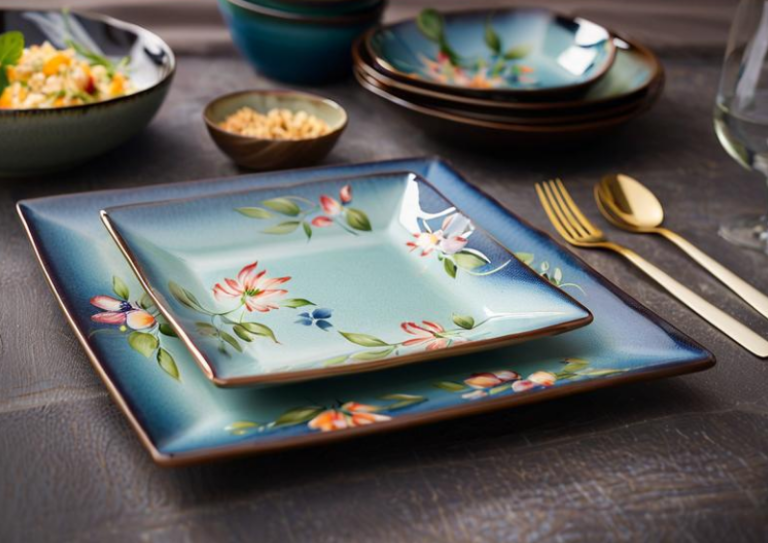
Japanese Sashimi Plating Techniques
Ingredients: Salmon, etc.
Instructions: Slice the salmon into thin pieces. Use a torch to lightly sear the surface, allowing the oils to rise and release a subtle aroma.
Scene 1: The unique design of the tableware creates a distinctive visual experience.
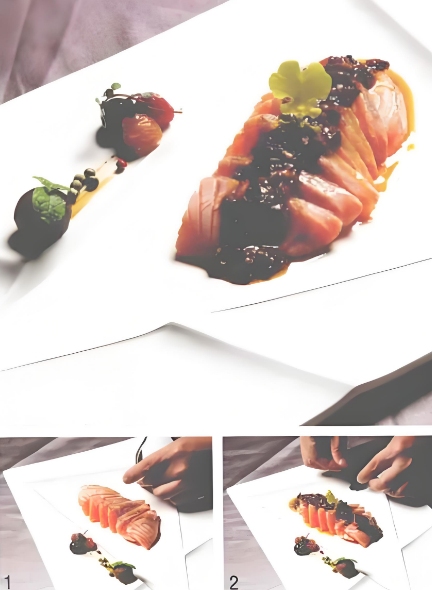
Sashimi is typically served with wasabi or soy sauce, but this dish is paired with Chinese-style teriyaki sauce. You can use white porcelain plates with triangular indentations to pour the sauce over the sashimi.
Plating Method
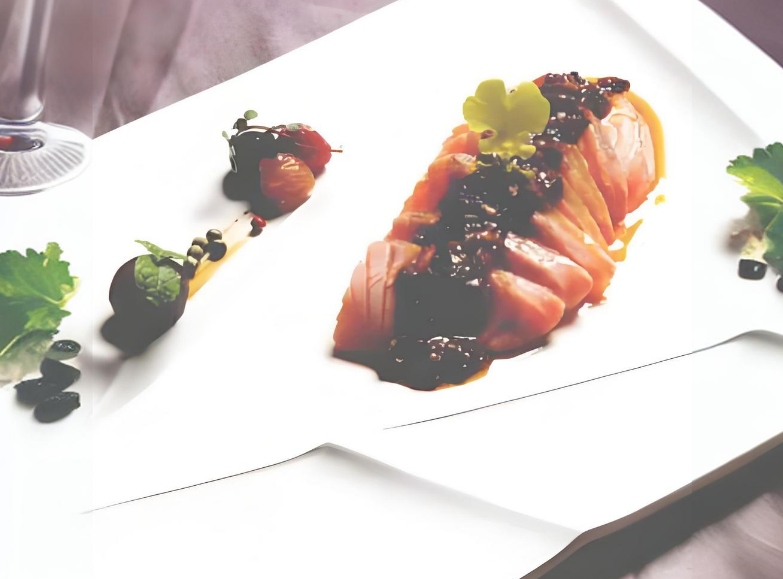
① Place the salmon slices in the indented section of the plate. Draw a decorative line with the teriyaki sauce along the indentation. Arrange mint leaves, peppercorns, grapes, and sliced tomatoes along the line. Small fruits can be used for garnish, stacking them to create a refined and neat look.
② Drizzle teriyaki sauce over the salmon slices. Place a small dollop of caviar symmetrically opposite the fruits, creating a visual balance that highlights the main dish in the center.
Plating Tip: Since this dish uses a Chinese-style teriyaki sauce, you can cut the salmon slices a bit thicker than traditional Japanese sashimi, offering a distinct presentation.
Scene 2: Using Tableware to Create a Surprising Atmosphere
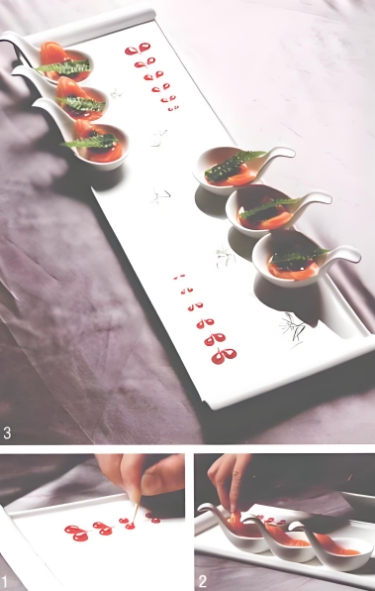
Sashimi is a bite-sized dish, so using decorative spoons as a base for each slice, placed on a long rectangular white plate, adds a sense of space and aesthetic balance. A simple toothpick can be used to draw a heart shape, enhancing the visual appeal with an artistic touch!
Plating Method
① On the two long sides of the plate, use cranberry sauce to make dots, and drop white chocolate in the center of each dot, creating a layered pattern. Drag a toothpick down the center of both dots to form a string of beautiful heart shapes.
② Symmetrically place spoons on either side of the white rectangular plate, with slices of salmon placed in the spoons.
③ Add a decorative leaf on top of the salmon slices, and sprinkle a few decorative leaves in the empty space on the plate to fill the gaps, while keeping a sense of balance and leaving some negative space for aesthetic appeal.
Plating tip: A toothpick can also be used as a drawing tool. To create thicker lines, break the toothpick in half and use the thicker part. For finer lines, use the pointed tip of the toothpick.
Custom Solutions Available
Our technical experts are always ready to assist you in finding the perfect customized solution for your dinnerware needs.