Slip Rheology in Ceramic Tableware: How Viscosity and Thixotropy Improve Slip Casting Quality
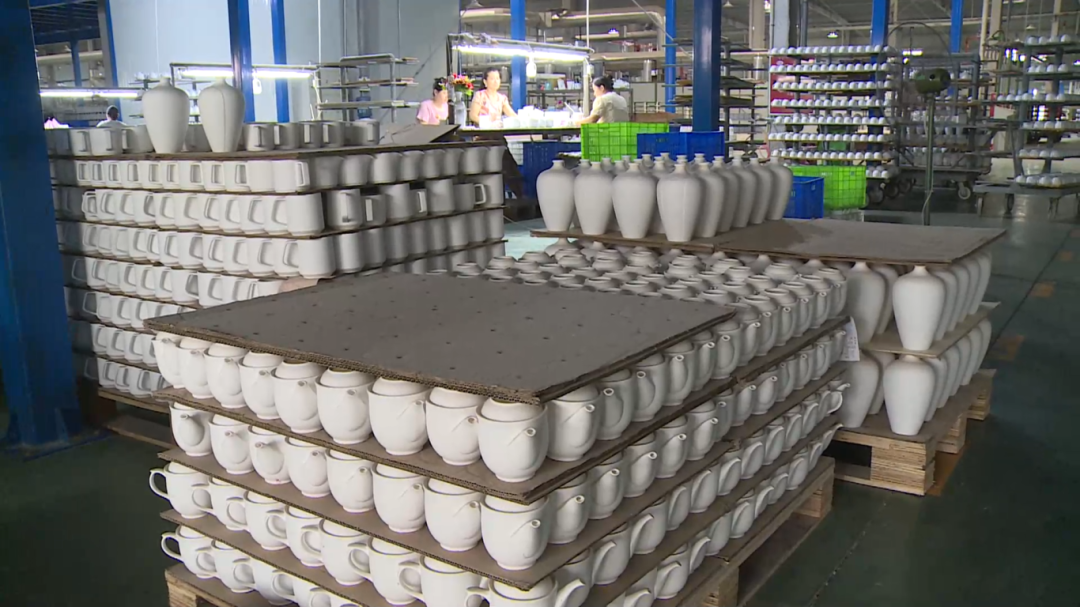
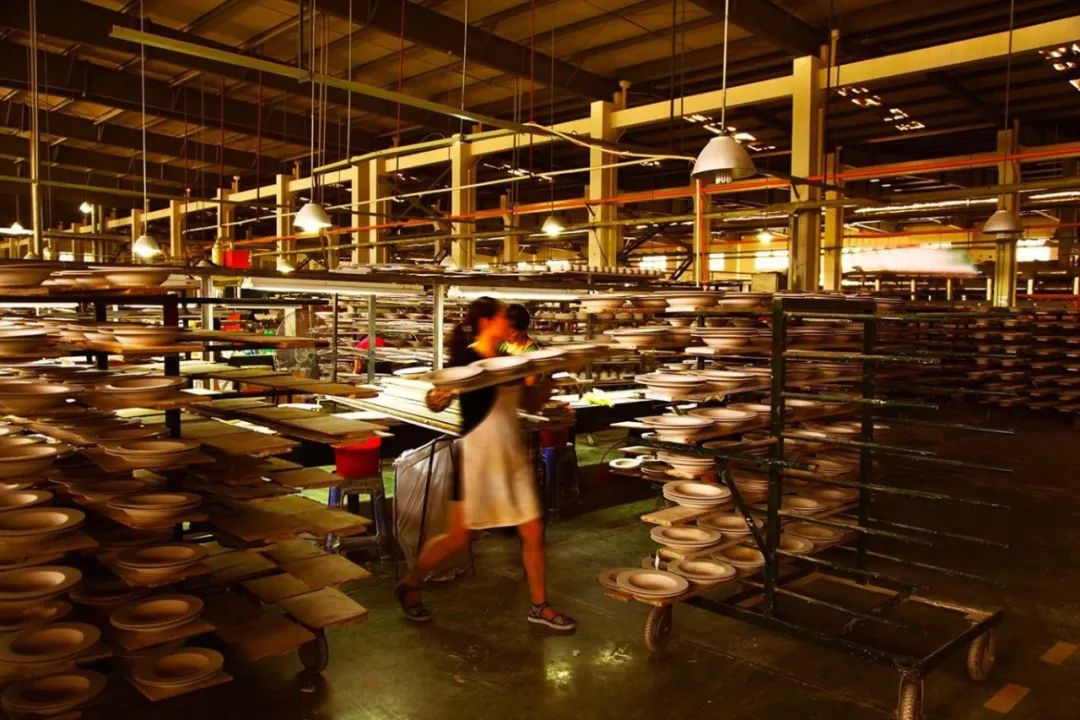
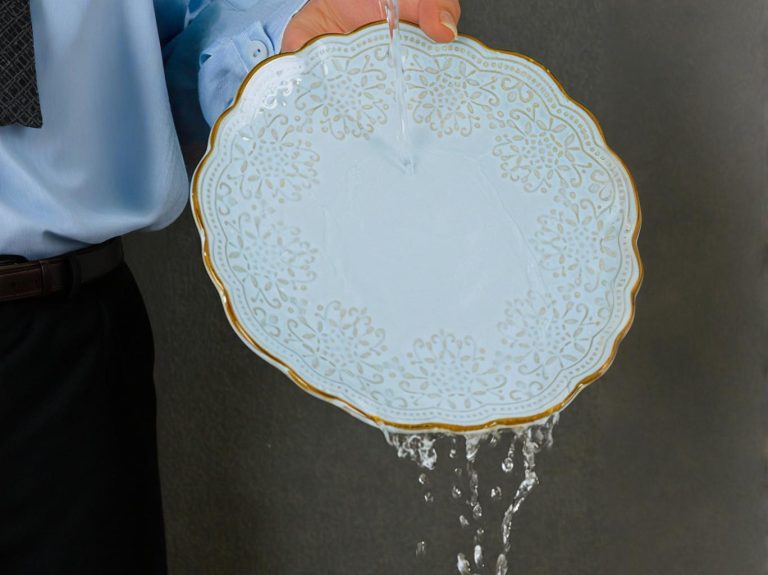
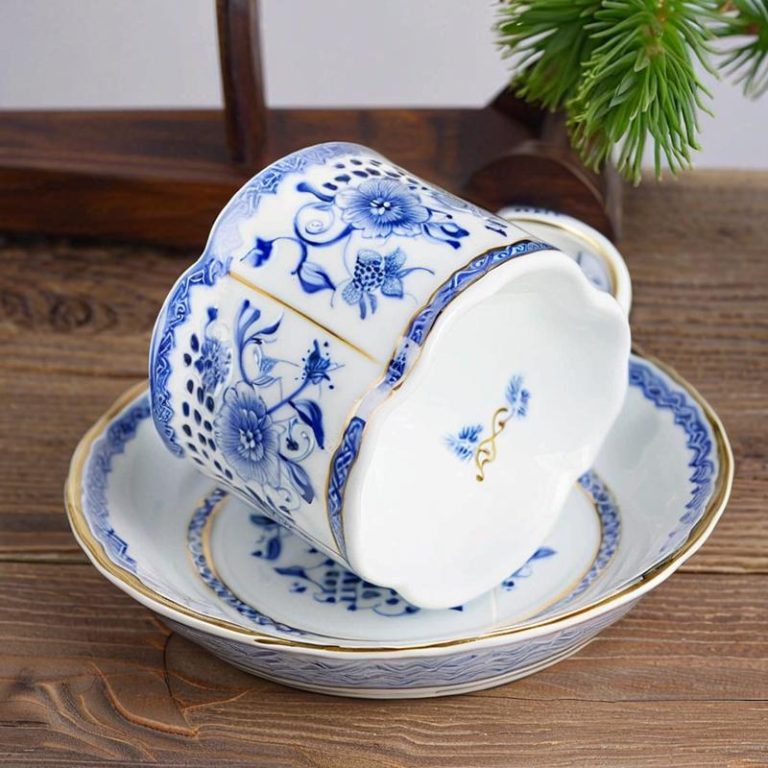
Slip casting process reference image. Source
For ceramic tableware manufacturers, slip rheology is not just a laboratory term. It is one of the most important process variables behind casting speed, wall thickness consistency, surface finish, drying stability, and defect control. For overseas buyers sourcing custom dinnerware, understanding slip rheology is also a practical way to judge whether a supplier truly has process control or is only offering low prices.
In this article, we explain what slip rheology means in ceramic tableware production, why viscosity and thixotropy matter so much in slip casting, what defects appear when this control is weak, and how professional suppliers manage it in a real factory environment.
What Is Slip Rheology in Ceramic Tableware Manufacturing?
Slip rheology refers to how a ceramic slurry behaves during mixing, pumping, pouring, mold filling, drainage, and resting. In industrial ceramic tableware production, it includes the control of specific gravity, apparent viscosity, yield stress, thixotropy, and suspension stability. It is one of the core technical factors that determines whether a slip can cast efficiently and consistently in plaster molds. Source
For manufacturers of mugs, bowls, plates, teapots, and other customized dinnerware, this matters because the slip must do several things at once: flow easily into complex mold geometry, release trapped air, build up a dense cast layer at the mold wall, drain cleanly, and maintain stable behavior throughout the production shift. If rheology is not controlled well, the result is not only lower yield, but also visible quality problems and inconsistent repeat orders.
Why Slip Rheology Matters More in Customized Tableware
Customized ceramic tableware often involves embossed logos, unusual profiles, asymmetrical handles, stackable forms, or multi-part mold structures. These designs place much higher demands on the casting slip than simple standard shapes. A slip that is acceptable for a basic bowl may fail when used on a large mug with a thick handle or on a serving plate with fine relief details.
This is why experienced OEM and private-label tableware factories treat slip rheology as a production control system rather than a one-time recipe setting. Better rheology control usually leads to better weight consistency, sharper detail reproduction, lower drying distortion, and more stable glaze application performance.
The Science Behind Slip Rheology
Ceramic casting slip is a colloidal suspension made from clay, kaolin, feldspar, silica, and water. The way these particles interact in water determines whether the slip remains fluid and stable or becomes thick, unstable, and defect-prone.
Particle Dispersion and Zeta Potential
Ceramic slurry behavior is strongly influenced by zeta potential, which reflects the electrical condition at the particle surface. When the absolute value of zeta potential is too low, attractive forces dominate and the particles cluster together. This leads to flocculation, poor suspension stability, higher viscosity, and lower casting efficiency. When the particles are properly dispersed, repulsive forces help keep them separated, allowing higher solids loading with lower viscosity. Source
A widely cited stability guide for ceramic slurries is as follows:
- 0 to ±5 mV: rapid flocculation
- ±10 to ±30 mV: incipient instability
- ±30 to ±40 mV: moderate stability
- ±40 to ±60 mV: good stability
- above ±61 mV: excellent stability Source
Deflocculation Chemistry
To improve dispersion, ceramic manufacturers use deflocculants such as sodium carbonate and sodium silicate. These chemicals reduce inter-particle attraction and help the slip flow with less water.
A simplified ion-exchange reaction commonly referenced in ceramic slurry science is:
Clay–Ca²⁺ + Na₂CO₃ → Clay–2Na⁺ + CaCO₃↓
This chemical adjustment helps produce a casting slip with lower viscosity at higher solids loading, which is beneficial for faster casting, lower drying energy, and higher green density. Source
Viscosity in Ceramic Slurry
According to ISO 19613, viscosity of a ceramic slurry measured under a defined shear rate is expressed as: Source
η = τ / γ̇
Where:
- η = viscosity
- τ = shear stress
- γ̇ = shear rate
This is important for buyers because a viscosity value alone is not enough. A professional factory should also be able to state the test temperature, instrument type, geometry, and shear condition. Without these details, viscosity data cannot be reliably compared between suppliers. Source
What Is Thixotropy?
Thixotropy is the time-dependent rebuilding of internal structure after shear. In simple terms, a thixotropic slip becomes more fluid during mixing or pumping, then partially rebuilds when left standing. This property is essential in industrial slip casting because the slip must remain stable in tanks and pipelines, yet still drain and consolidate correctly in the mold.
ASTM D2196 specifically addresses apparent viscosity, shear thinning, and thixotropic behavior when evaluating non-Newtonian materials by rotational viscometer. Source
How Viscosity Affects Slip Casting Quality
Viscosity directly influences mold filling, de-airing, cast build-up, inner surface quality, and cycle time.
If Viscosity Is Too High
When viscosity is too high, the slip fills the mold more slowly and does not release trapped air efficiently. This can lead to poor detail reproduction, incomplete filling around rims or embossed areas, and increased risk of air-related body defects. Thick slip also tends to drain less cleanly, which can cause uneven walls and rough internal surfaces. Source
If Viscosity Is Too Low
Very low viscosity is not always a sign of good slip quality. In many cases, it indicates over-deflocculation. According to Digitalfire, over-deflocculated slip may cast too slowly, produce a wavy or gritty inner surface, show poor mold release, develop a skin rapidly after mixing stops, and contribute to cracking, splitting, brittle ware, and powdery surfaces. Source
The Best Industrial Approach
The best casting slip is not simply the thinnest one. It is a slip with the lowest workable viscosity at the required solids loading, while still maintaining good stability and controlled thixotropic recovery. That balance is one of the most important signs of a skilled ceramic tableware manufacturer.
How Thixotropy Affects Slip Casting Quality
While viscosity determines how the slip flows under shear, thixotropy determines how the slip behaves after the shear stops. This is especially important in real factory production, where slips are mixed, pumped, held, recirculated, and reused over time.
If Thixotropy Is Too Low
If thixotropic rebuild is too weak, the slip remains too loose during storage and use. Particles may settle in tanks and feed lines, causing density drift throughout the shift. This leads to inconsistent casting behavior, variable wall thickness, and changes in drying and glaze pickup performance from batch to batch. Source
If Thixotropy Is Too High
If thixotropy is too strong, the slip rebuilds structure too quickly after mixing. This can make it sluggish in the mold, harder to drain evenly, and more likely to produce internal marks, non-uniform density, and uneven cast growth. These issues become more serious in customized shapes with handles, relief patterns, or asymmetrical sections.
Controlled Flocculation Is Often Better Than Maximum Fluidity
Experienced ceramic technicians often aim for controlled flocculation rather than maximum fluidity. In practice, this means a slip that flows well enough for casting but can still develop mild structure after standing, helping prevent long-term settling. Digitalfire highlights this as a more stable and professional way to manage casting slip. Source
How Professional Factories Control Slip Rheology
Good factories do not manage slip rheology by visual judgment alone. They control it through routine testing, data logging, and corrective adjustment.
Specific Gravity Control
Specific gravity reflects the solids-to-water ratio of the slip and strongly affects casting speed, drying energy, and shrinkage. A commonly referenced range for many clay-based slips is 1.75 to 1.80, with 1.75 often recommended as a practical starting point. Source
Specific gravity can be expressed as:
SG = mass of slip / mass of equal volume of water
A supplier that controls specific gravity carefully is usually also better at controlling wall thickness and drying consistency.
Viscosity Measurement and Temperature Control
ISO 19613 recommends that comparative ceramic slurry viscosity testing be carried out at the same temperature, with 23.0 ± 0.2 °C identified as the preferred ambient test temperature. The standard also refers to rotational viscometer systems such as coaxial cylinder, cone-and-plate, and parallel plate geometries. Source
For buyers, this means that a capable supplier should not only provide a viscosity number, but also explain how it was measured.
Deflocculant Dosage
Digitalfire notes that sodium silicate is often kept as low as possible, sometimes around 0.2%, while sodium polyacrylate systems may run around 0.3% to 0.5%, depending on the body system and processing conditions. Source
A supplier with good rheology control should know its dosage window and should be able to explain how it avoids both under-deflocculation and over-deflocculation.
Casting Rate and Mold Performance
In plaster mold casting, water is removed from the slip by capillary action, leaving behind a cast layer at the mold wall. The American Ceramic Society educational reference notes that under its example setup, a wall thickness of about 5 to 10 mm may be reached in around 10 to 15 minutes, illustrating the relationship between mold absorbency, slip rheology, and casting time. Source
In industrial tableware production, the exact casting window depends on the body recipe, mold age, mold porosity, ambient conditions, and product geometry. However, suppliers with strong process capability will always monitor casting rate, not just slurry appearance.
Common Ceramic Tableware Defects Caused by Poor Slip Rheology
Poor slip rheology can create or amplify multiple ceramic defects, both in the body and later in glazing or firing.
Pinholes
Although pinholes are often treated as a glaze defect, they can begin with body casting problems such as trapped air and unstable wall formation. Lucideon identifies air bubbles in casting slip supplies as a primary cause of pinholing in cast ceramic products. Source
Cracking and Splitting
Over-deflocculated slips may show poor mold release and are more likely to produce splitting, cracking, brittle greenware, and powdery surfaces during drying. These are classic signs of poor slip chemistry control rather than simple operator error. Source
Warpage and Dimensional Instability
If the cast wall is not uniform because of unstable rheology or inconsistent drainage, the part may shrink unevenly during drying and firing. This can result in warped plates, oval bowls, rocking bases, and poor lid fit in covered ware.
Crazing Risk Through Indirect Effects
Crazing is mainly a glaze-fit issue, but poor slip rheology can indirectly increase crazing risk by creating uneven density, variable wall thickness, and inconsistent glaze pickup across the part. In this way, body rheology influences not only forming quality but also downstream glaze performance.
Why B2B Buyers Should Pay Attention to Slip Rheology
For importers, wholesalers, hospitality brands, and private-label dinnerware buyers, slip rheology is not just a technical topic. It is a practical indicator of supplier capability.
A factory with strong rheology control is more likely to deliver:
- consistent product weight
- stable dimensions across large runs
- better detail reproduction
- lower defect rates
- more repeatable glaze appearance
- better long-term reorder consistency
By contrast, a supplier that cannot explain its slip control system may struggle with hidden quality variation even if the first sample looks acceptable.
Questions Buyers Should Ask a Ceramic Tableware Supplier
When qualifying a supplier for custom ceramic tableware, buyers should ask:
- What is your standard specific gravity range for this casting body?
- How do you measure viscosity, and at what temperature?
- How do you evaluate thixotropy or recovery after mixing?
- What deflocculants do you use, and how do you control dosage?
- How do you monitor casting rate and mold absorbency?
- Can you show records of rheology checks for recent production batches?
- What defects do you associate with poor slip control, and how are they prevented?
A supplier that answers these questions clearly and quantitatively is usually far more reliable than one that only offers low pricing.
Relevant Standards for Ceramic Tableware Suppliers
Professional ceramic suppliers serving export markets should understand not only production rheology, but also the standards that define testing and food-contact compliance.
Rheology and Viscosity Standards
- ISO 19613: Measurement of viscosity of ceramic slurry by use of a rotational viscometer Source
- ISO 3219-2: General principles of rotational and oscillatory rheometry Source
- ASTM D2196: Rheological properties of non-Newtonian materials by rotational viscometer Source
Food-Contact Compliance Standards
- ISO 6486-1:2019: Test method for release of lead and cadmium from ceramic ware and glass dinnerware Source
- FDA CPG 545.450: Lead contamination guidance for imported and domestic ceramic foodware Source
- FDA CPG 545.400: Cadmium contamination guidance for ceramic ware Source
- EN 1388-1 / EN 1388-2: European reference methods related to lead and cadmium release from ceramic articles intended for contact with food Source
FDA Lead Limits Buyers Should Know
The FDA guidance for ceramic foodware gives category-specific lead action levels in µg/mL of leaching solution, including:
- Flatware: 3.0
- Small hollowware other than cups/mugs: 2.0
- Cups/mugs: 0.5
- Large hollowware other than pitchers: 1.0
- Pitchers: 0.5 Source
For overseas buyers, this reinforces an important point: a strong ceramic supplier must control both forming quality and food-contact compliance.
Conclusion
In ceramic tableware manufacturing, slip rheology is one of the clearest indicators of process capability. Viscosity determines how well the slip fills, drains, and builds the cast wall. Thixotropy determines whether that performance remains stable over time. Together, they influence productivity, consistency, defect rates, and ultimately supplier reliability.
For B2B buyers sourcing custom ceramic dinnerware, asking the right questions about slip rheology can reveal far more about a factory than a polished brochure or a low FOB quote. The best suppliers are not simply making ceramic ware — they are controlling a complex ceramic forming system with measurable discipline.
References
- Digitalfire, Understanding the Deflocculation Process in Slip Casting
https://digitalfire.com/article/understanding+the+deflocculation+process+in+slip+casting - Vitali et al., Overview of the Rheological Behaviour of Ceramic Slurries
https://www.mas.bg.ac.rs/_media/istrazivanje/fme/vol47/1/7_s_vitali_et_al.pdf - ISO 19613 preview PDF
https://cdn.standards.iteh.ai/samples/65476/3b1bbbebcfd34277a6cb148841b03837/ISO-19613-2018.pdf - ISO 3219-2 official page
https://www.iso.org/obp/ui/en/#!iso:std:76033:en - ASTM D2196 official page
https://www.astm.org/d2196-20.html - The American Ceramic Society, Ceramic Processing: Slip Casting
http://ceramics.org/wp-content/uploads/2014/04/Slip-Casting-Lesson-111.pdf - ISO 6486-1 official page
https://www.iso.org/obp/ui/en/#!iso:std:67561:en - FDA Lead Contamination Guidance for Ceramic Foodware
https://www.fda.gov/files/inspections%2C%20compliance%2C%20enforcement%2C%20and%20criminal%20investigations/published/CPG-Sec.-545.450-Pottery-%28Ceramics%29–Import-and-Domestic—Lead-Contamination.pdf - FDA Cadmium Contamination Guidance for Ceramic Ware
https://www.fda.gov/regulatory-information/search-fda-guidance-documents/cpg-sec-545400-pottery-ceramics-import-and-domestic-cadmium-contamination - Open University, Slip-casting
https://www.open.edu/openlearn/science-maths-technology/engineering-technology/manupedia/slip-casting
Custom Solutions Available
Our technical experts are always ready to assist you in finding the perfect customized solution for your dinnerware needs.