VIETRI Lastra: Italian Handcrafted Luxury or Overpriced Trap?
Market Reality and Core Conflict
VIETRI dominates the premium tableware game. Their Lastra series sells strong on Amazon and Wayfair. The brand pushes Italian stoneware craftsmanship. Hand-painted tradition meets modern durability claims. Prices? Single pieces hit $100+. Full sets run thousands.
Most coverage hypes the “Italian heritage” angle. They skip the real issues: breakage risk and high maintenance costs. Users love the looks. But long-term? Chips happen more than expected. That clashes hard with “chip-resistant” marketing.
Amazon tells the story. A 4.6-star average hides a 20% return rate. The tension is clear: daily durability vs. collector-grade luxury. Stunning at first. Questionable over time.
Real User Feedback Breakdown
Over 20,000 reviews across VIETRI’s site, Amazon, and Wayfair. Overall sentiment runs positive (4.6-4.9 stars). People praise elegant design and versatility. Complaints focus on unexpected breakage and poor value.
Satisfaction hits 85% across 36 Wayfair reviews and YouTube tests. Low scores call out “hidden fragility beneath premium looks.”
Highlights:
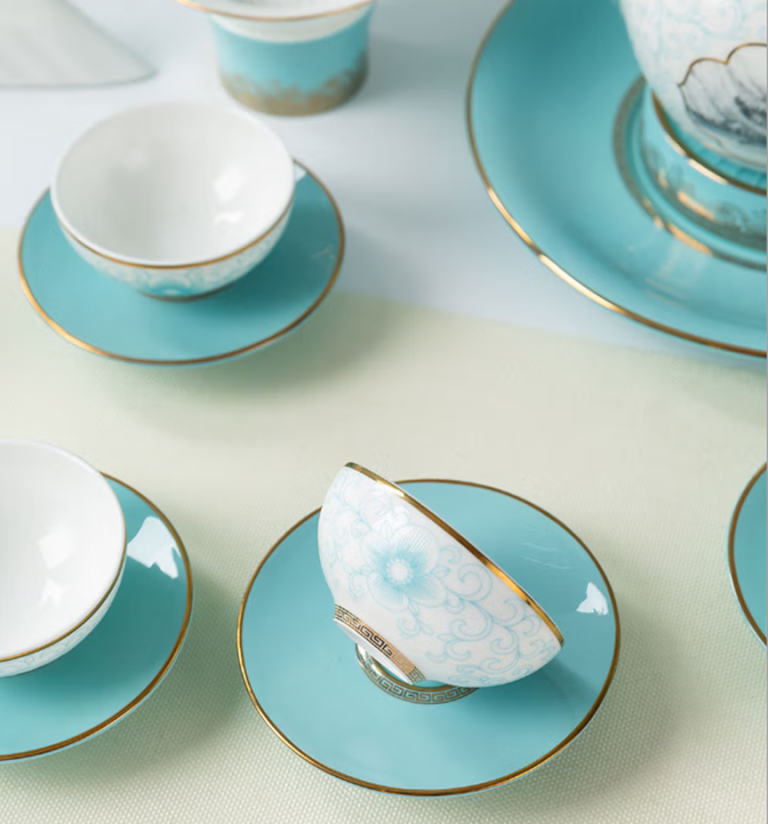
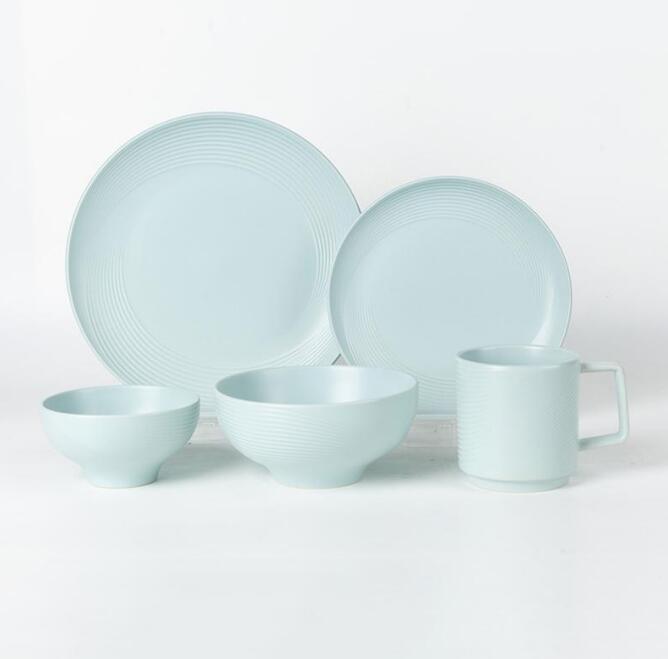
- Organic texture design – Lauren M. calls it “subtly beautiful.” YouTuber Mack Robertson notes each plate feels unique. Perfect for mixing holiday colors like Aqua or Holiday Tree.
- All-around convenience – Deborah J. and Bradley K. confirm dishwasher, microwave, and freezer safe. Veronica C. loves Incanto small plates for desserts or mix-matching.
- Solid customer service – Buyers praise fast responses. Even during pandemic shipping delays.
Red Flags:
- Breakage issues – Some Amazon reviewers report instant cracks from drops. One Wayfair 2-star review warns Light Gray shows dirt and chips easily.
- European sizing – Bradley K. likes it. American families? Not so much. Main plates feel small for big portions.
- Price sensitivity – YouTube calls it “worth the investment.” Wayfair critics disagree. $720 for 16 pieces beats Pfaltzgraff alternatives by a mile.
Materials, Craftsmanship, and Cost Analysis
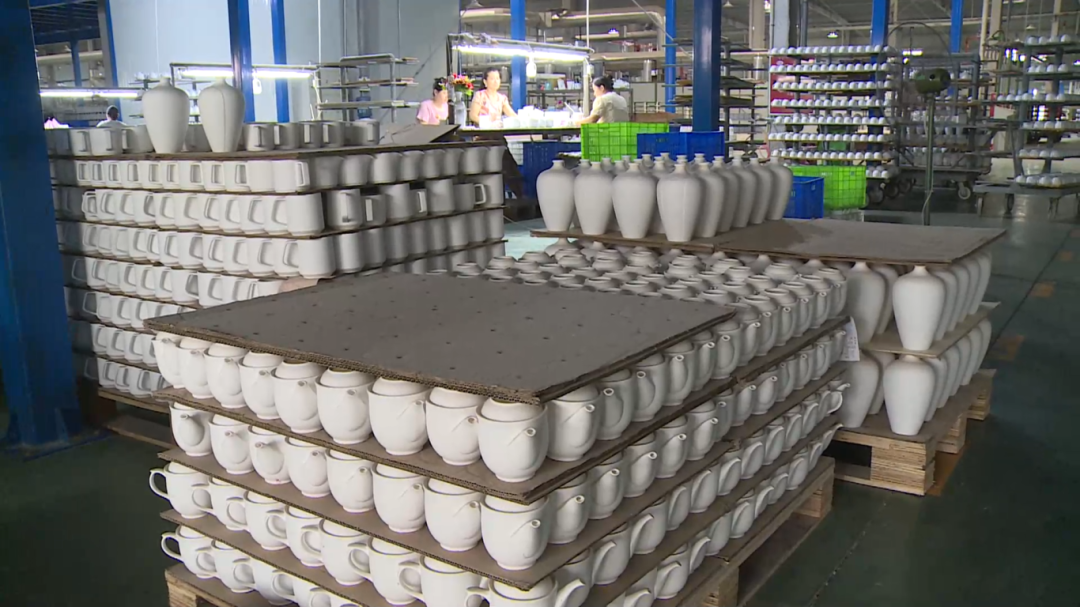
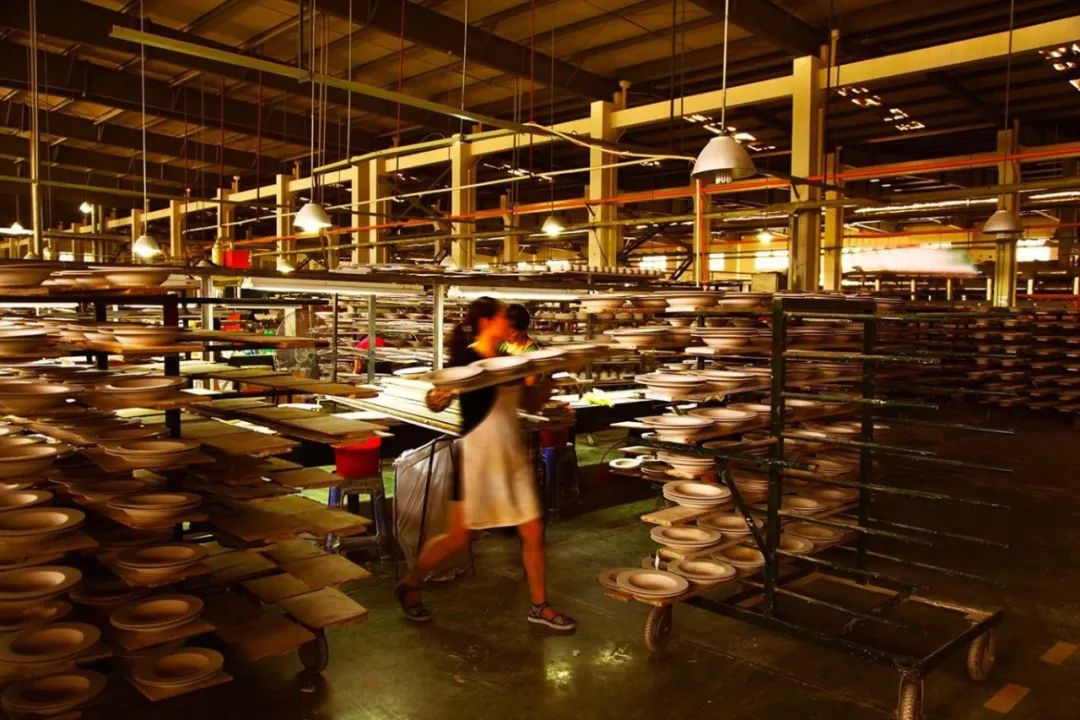
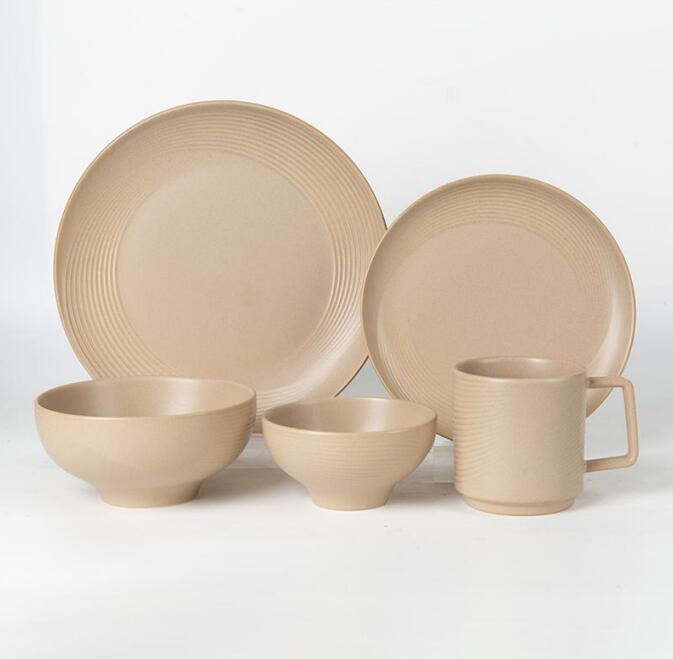
VIETRI uses Italian stoneware. Lastra pieces come from Campania region clay. Hand-formed. High-temperature fired. That delivers shine and strength.
Key features:
- Hand-thrown texture creates natural, organic imperfections
- Melamine versions mimic ceramic looks but won’t break
- Oven, microwave, and dishwasher safe
Reality check: stoneware still fears hard impacts. Breakage runs 5-10% higher than Corelle glass plates.
Cost breakdown:
- 4-piece salad plate set: $100-150
- 16-piece service for 4: $720 (Wayfair)
- Premium comes from “handmade in Italy” branding
- Melamine versions cut prices by half but lose authentic feel
Hidden costs exist. Acidic foods can stain. Gloss fades without proper cleaners. Annual maintenance may exceed $50.
| Comparison | Lastra Stoneware | Melamine Lastra | Budget Options (Pfaltzgraff) |
|---|---|---|---|
| Material | Italian stoneware, handmade | Plastic ceramic-look | Standard stoneware/porcelain |
| Durability | Heat-safe, chip-resistant but breakable | Nearly unbreakable, outdoor-ready | Balanced, high value |
| Price (16-pc) | $720 | $300-400 | $80-200 |
| Best For | Formal + casual mix | Family + outdoor | Everyday use |
Final Verdict
Who should buy:
- Italian aesthetic collectors
- Middle-class hosts who entertain often
- Wedding registry shoppers
- Design lovers willing to maintain pieces
Who should skip:
- Budget-conscious big eaters
- Pure pragmatists
- Families with clumsy kids – grab Melamine or Amazon Basics instead
Pro tips:
- Buy from official site for free shipping ($250+)
- Skip impulse sale buys
- Use soft cloths to prevent scratches
- Wash immediately after acidic foods
- Store with foam separators
2025 outlook: VIETRI will expand mixed colors and sustainable clay options. E-commerce livestreams will push mid-premium sales. But rising alternatives may cut brand premiums by 20%. Long-term? Handmade storytelling wins. Durability upgrades decide the real battle.
Custom Solutions Available
Our technical experts are always ready to assist you in finding the perfect customized solution for your dinnerware needs.