Bisque Firing in Custom Tableware: Why Structural Water and Organic Burnout Matter
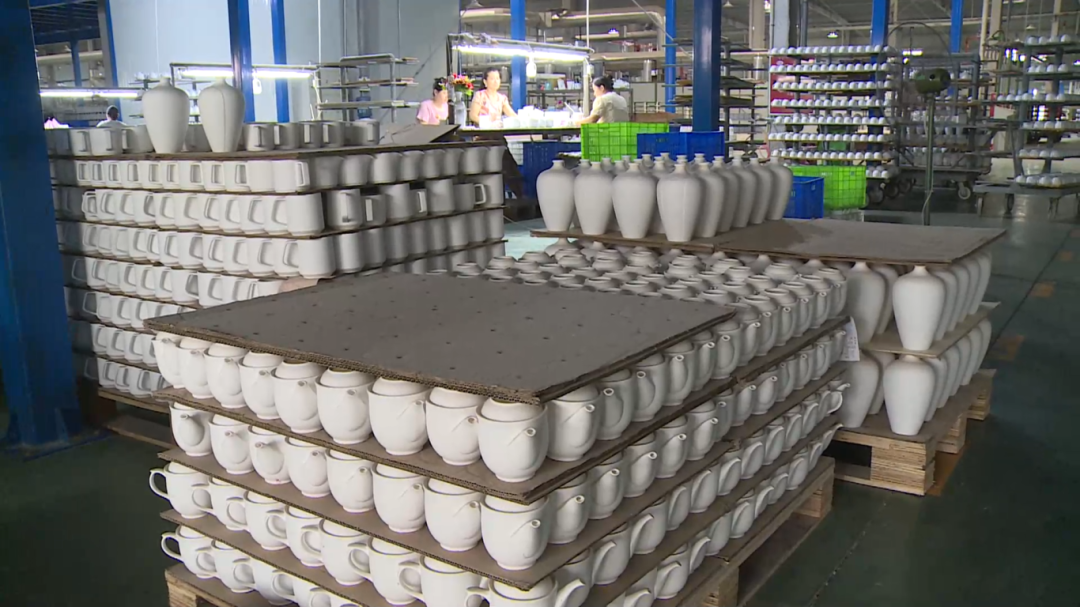
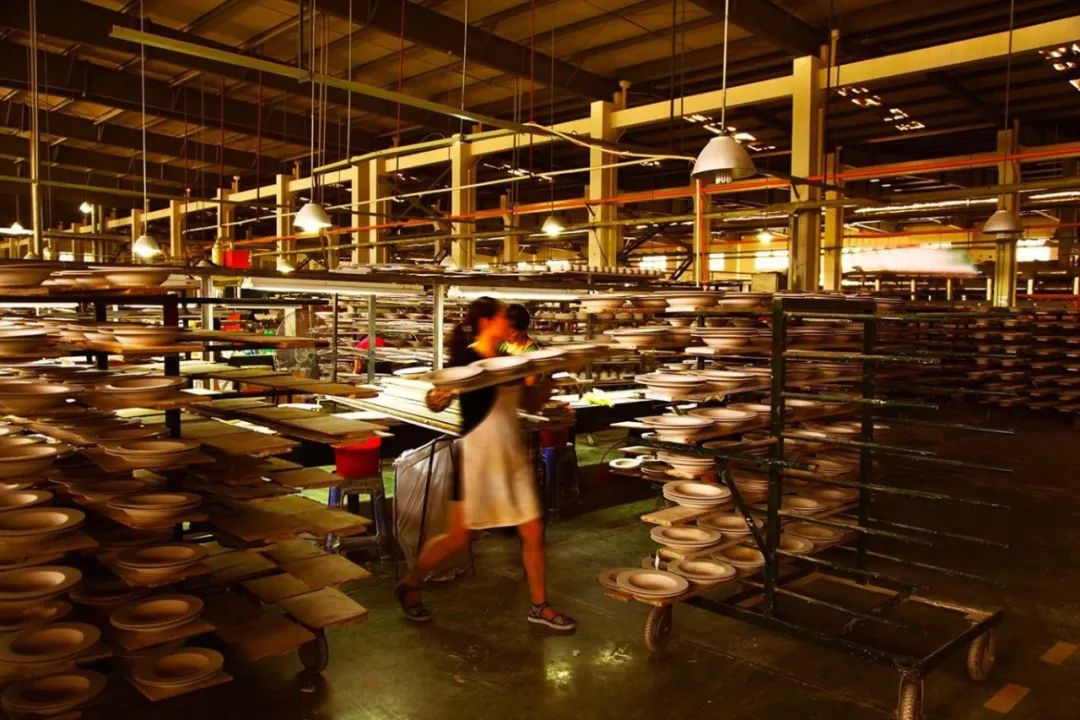
If you work in OEM/ODM tableware sourcing, ceramic product development, or hospitality dinnerware procurement, understanding bisque firing is not optional. It is one of the most critical process steps in ceramic manufacturing because it determines whether the body is clean, stable, porous enough for glazing, and strong enough for handling. In simple terms, bisque firing is the first firing that transforms dried clay into a usable ceramic substrate before glazing. In technical terms, it is the stage where the body must safely remove free water, structural water, and organic matter while passing through several temperature-sensitive mineral transformations. Source
Image source: SDS Industries kiln firing chart
Why Bisque Firing Matters in Custom Tableware Manufacturing
In custom tableware production, bisque firing is more than a routine first fire. It directly affects glaze adhesion, surface smoothness, decal quality, shape stability, and final defect rates. A supplier may have an attractive catalog and good glaze samples, but if the bisque cycle is poorly controlled, large-scale production can still fail due to pinholes, black coring, blistering, warpage, or inconsistent glaze color. This is especially important in export business, where buyers expect stable quality across repeat orders, mixed shapes, and multiple colorways. Source
For B2B buyers, bisque firing is also a strong indicator of factory maturity. A capable supplier does not simply “fire to a temperature.” They control heating rate, airflow, hold time, load pattern, and kiln uniformity to ensure complete burnout and repeatable body absorbency. That process discipline becomes visible in lower rejection rates and more consistent finished ware.
What Happens During the Ceramic Bisque Firing Process
Free Water Removal Comes First
Before chemical changes begin, the body must lose physically held water. If heating is too fast at this stage, internal moisture can turn into steam and crack or even burst the ware. This is why many factories use a low-temperature hold or candling stage before moving into the main firing ramp. Source
Structural Water Is Removed Through Dehydroxylation
One of the most important technical events in bisque firing is dehydroxylation. This is the removal of chemically bound hydroxyl groups from clay minerals such as kaolinite. Unlike simple drying, this process changes the clay crystal structure permanently and converts kaolinitic clay into metakaolin. In ceramic bodies, this reaction typically begins around 450°C and is largely complete by about 600-650°C. Source
Organic Matter Must Burn Out Cleanly
Clay bodies and forming additives often contain organic materials that must decompose and oxidize during firing. According to Aardvark Clay, organic carbon burnout typically occurs from 149-316°C, while inorganic carbon burnout occurs roughly from 700-900°C, and sulfur oxidation may continue from 700-1150°C. If the kiln does not provide enough time or oxygen in these ranges, residual gases can remain trapped and later damage the glaze surface. Source
Quartz Inversion Creates a Thermal Stress Risk
At around 570°C, quartz undergoes a rapid crystal change known as quartz inversion. This transformation is associated with sudden volume change, which means the heating curve must be controlled carefully. Poor temperature uniformity in this range can lead to cracking, especially in plates, bowls with uneven wall sections, or heavily loaded kiln cars. Source
Early Sintering Builds Strength but Must Not Close Porosity Too Soon
As firing continues, the body starts to develop particle bonding. This early-stage sintering gives the bisque ware enough mechanical strength for glazing and handling. However, if the bisque temperature is too high, the body may lose too much absorbency, making glaze application unstable. That is why the best bisque process is not the hottest one, but the most balanced one.
Image source: Digitalfire technical firing article
Key Bisque Firing Parameters OEM Dinnerware Suppliers Should Control
Temperature Ranges That Matter
For most tableware bodies, the following process windows are especially important:
- 80-120°C: residual moisture equalization
- 149-316°C: organic carbon burnout onset
- 450-650°C: dehydroxylation and structural water removal
- Around 570°C: quartz inversion
- 700-900°C: inorganic carbon burnout
- 700-1150°C: sulfur oxidation
- Typical bisque peak: often around 850-1000°C, depending on body type and downstream glaze method Source Source
Ventilation and Oxidation Are Just as Important as Peak Temperature
A common mistake in lower-level factories is focusing only on final temperature. In reality, kiln atmosphere and air exchange are critical during burnout. If there is not enough oxygen at the right stage, carbon and sulfur residues may not oxidize fully, even when the pyrometer shows the correct number. Source
Different Shapes Need Different Firing Logic
Custom tableware factories often fire mugs, plates, bowls, and serving pieces in the same production flow. That creates a challenge because thick foot rings, attached handles, and embossed surfaces do not heat the same way. A professional supplier adjusts loading density, spacing, and sometimes the firing curve itself for different shape families. This is one of the clearest process differences between a mass supplier and a truly capable custom manufacturer.
Common Ceramic Tableware Defects Caused by Poor Bisque Firing
Black Coring
Black coring appears when the interior of the ceramic body turns dark grey or black. It is commonly associated with incomplete oxidation, trapped carbon, fast firing, or iron-related reduction effects inside the body. This defect is a major warning sign because it shows the body was not fully cleaned before vitrification progressed. In practical production, black core often correlates with a narrow firing window and poor process repeatability. Source
Pinholes in Ceramic Glaze
Pinholes are small holes that break through the glaze surface and often trace back to gases escaping from the body during glaze firing. If bisque firing did not remove organics and other volatile materials completely, those gases will try to escape later, when the glaze is already melting. The result is a surface defect that is highly visible on glossy white or light-colored tableware. Source
Blistering and Surface Pitting
Incomplete burnout can also cause blisters or pits. These defects reduce the visual quality of the ware and may trigger rejection in hospitality or retail projects where surface perfection matters. For premium custom dinnerware, even minor pitting can damage brand perception and increase inspection cost.
Poor Glaze Color Development
Aardvark also notes that incomplete carbon burnout can lead to poor color development in glazes and underglazes. This is particularly important for custom-branded tableware, where a buyer expects the same white tone, reactive finish, or accent color across all lots. Source
What B2B Buyers Should Ask a Ceramic Tableware Supplier
Ask for Bisque-Related Process Evidence
If you are qualifying a supplier for OEM or ODM dinnerware, do not limit your review to catalog photos and finished samples. Ask whether the factory can provide:
- bisque kiln curves by body type
- witness cone records
- bisque absorption data
- black-core inspection standards
- corrective actions for pinholes and blisters
- kiln ventilation and thermocouple calibration practices
A supplier that can explain these points clearly usually has stronger manufacturing discipline.
Check Whether the Factory Understands Body-Glaze Interaction
A reliable tableware producer knows that bisque firing is not isolated from glaze quality. They understand how body maturity, open porosity, and burnout completeness influence glaze application, glaze fit, and final surface results. That systems-level understanding is what reduces production risk on customized projects.
Look Beyond Unit Price
Low pricing can hide high process waste. If a supplier struggles with burnout control, the hidden cost often appears later as unstable quality, late shipment, or heavy sorting. In export business, that usually costs more than choosing a slightly more expensive but process-capable partner from the start.
Relevant Standards Buyers Should Know
ASTM C373 for Water Absorption and Porosity
ASTM C373 covers test methods for determining water absorption, bulk density, apparent porosity, and apparent specific gravity of fired ceramic whiteware and related products. For buyers, this matters because stable absorbency is one of the clearest signs that the body firing process is under control. Source
ASTM C554 for Crazing Resistance
ASTM C554 addresses the resistance of fired glazed ceramic whitewares to crazing by a thermal shock method. While crazing is mainly a glaze-fit issue, stable body preparation and firing discipline support better overall performance. Source
ISO 6486-1:2019 for Lead and Cadmium Release Testing
ISO 6486-1:2019 specifies the test method for the release of lead and cadmium from ceramic ware, glass ceramic ware, and glass dinnerware intended for food contact. For any export-oriented supplier, awareness of this standard is essential. Source
FDA Guidance for Ceramic Foodware Compliance
For the U.S. market, FDA compliance guidance on ceramic foodware remains highly relevant. FDA documentation states that ceramic articles may release harmful levels of lead or cadmium if not properly controlled. That makes consistent substrate preparation and glaze process discipline commercially important, not just technically interesting. Source Source
How Bisque Firing Helps You Evaluate an OEM Dinnerware Supplier
Strong Suppliers Focus on Process Windows, Not Just Temperature
Any factory can say, “We fire to the right temperature.” A stronger supplier can explain what happens in each stage, how they handle organic burnout, why airflow matters, and how they prevent black core and glaze defects. This level of process literacy usually translates into better execution on customized shapes and repeat orders.
Bisque Control Improves Scalability
A supplier may produce a good sample once, but export business depends on repeatability. Proper bisque firing improves scalability because it stabilizes the body before glazing. That means better consistency across different order sizes, shapes, and surface finishes.
Better Bisque Firing Usually Means Lower Total Quality Risk
For buyers, the real value of good bisque control is not abstract ceramic theory. It is fewer complaints, lower replacement cost, more consistent glaze appearance, and better confidence in long-term supply.
Final Thoughts
In custom tableware manufacturing, bisque firing is one of the most important hidden quality drivers. It determines whether the ceramic body is properly cleaned, structurally transformed, and prepared for the glaze process. For B2B buyers, understanding this step helps separate factories that merely produce ceramics from factories that can truly deliver reliable OEM/ODM dinnerware at scale.
If you are sourcing custom dinnerware for retail, hospitality, or promotional programs, ask your supplier how they control the bisque stage. Their answer will tell you a great deal about the quality you can expect later.
Sources
- Digitalfire: Firing — What Happens to Ceramic Ware in a Firing Kiln
- Digitalfire: Dehydroxylation in Kaolin, Ball Clay
- Aardvark Clay: An Oxidized Bisque Firing
- Digitalfire: Black Coring
- Digitalfire: Glaze Pinholes, Pitting
- ASTM C373
- ASTM C554
- ISO 6486-1:2019
- FDA Lead Contamination Guidance for Ceramic Foodware
- FDA Cadmium Contamination Guidance for Ceramic Foodware
Custom Solutions Available
Our technical experts are always ready to assist you in finding the perfect customized solution for your dinnerware needs.